Furniture Removals
Furniture Removals New Cross – Man and Van New Cross
At Man and Van New Cross, we provide reliable, carefully planned furniture removals across New Cross and the surrounding areas. As a local, experienced removals team, we understand the buildings, traffic patterns and access issues in SE14, which means a smoother, safer move for your furniture and belongings.
Professional Furniture Removals in New Cross
Our service is built around one simple aim: move your furniture safely, on time, and with as little disruption as possible. Whether you are moving a single sofa a few streets away or a full house of furniture across London, our professional, fully insured crews bring the right vehicles, tools and techniques to do it properly.
We use padded covers, floor protection and secure strapping to make sure your items travel safely, and we plan every job so we arrive with the right number of movers and the right size van.
Local Expertise in New Cross and SE14
Being based in New Cross means we know the area well. From narrow streets and controlled parking zones to high-rise blocks and period conversions, we are used to the challenges that come with local moves. We can:
- Advise on parking and access requirements in New Cross and nearby areas
- Plan around local traffic hotspots and school runs
- Handle tight staircases and small lifts common in older properties
This local knowledge helps us protect your furniture and keep the move running on schedule.
Who Our Furniture Removal Service Is For
Homeowners
If you are moving house within or out of New Cross, we can move everything from bedroom suites and wardrobes to sofas, dining tables and white goods. We can also provide full-house furniture removals including packing, disassembly and reassembly.
Renters
Whether you are moving between rented flats or into your first place, we handle flat moves of all sizes. We are used to shared stairwells, top-floor flats and tight time slots for check-in and check-out inventories.
Landlords
We assist landlords with furniture clearance and removals between tenancies, including collecting and delivering furniture packs, removing unwanted items and reconfiguring furnished properties.
Businesses
For offices, shops and small businesses in New Cross, we provide office furniture removals, including desks, chairs, filing cabinets, reception furniture and stockroom shelving. Evening and weekend moves can be arranged to minimise disruption.
Students
With Goldsmiths and other London universities nearby, we regularly help students move in and out of halls and shared houses. We offer cost-effective, smaller-scale student furniture removals for beds, desks, wardrobes and boxed belongings.
What We Can and Cannot Move
Items Typically Included
- Sofas, armchairs and sofa beds
- Beds, mattresses, wardrobes and chests of drawers
- Dining tables, chairs and sideboards
- Desks, office chairs and filing cabinets
- Bookcases, TV units and shelving
- Most domestic appliances (washing machines, fridges, freezers)
- Flat-pack and modular furniture, including disassembly and reassembly where required
Items We Usually Exclude
For safety and insurance reasons, we normally cannot carry:
- Hazardous or flammable materials (gas bottles, fuel, paint thinners)
- Industrial machinery or items over safe manual handling limits
- Unsecured pets or livestock
- Cash, jewellery or high-value personal documents
- Perishable food for long-distance moves
If you are unsure about a specific item, we will advise during your enquiry or survey.
Our Step-by-Step Furniture Removals Process
1. Enquiry & Quote
Contact Man and Van New Cross by phone or online with your move details: addresses, dates, access notes and a list or photos of the furniture. We provide a clear, no-obligation quote, outlining what is included so you can make an informed decision.
2. Survey – Virtual or Onsite
For larger moves or more complex properties, we arrange a short video call or onsite survey. This lets us assess access, parking, staircases, lifts and volume of furniture. Getting this right prevents delays on the day and ensures you have the appropriate number of trained movers and correctly sized vehicles.
3. Packing & Preparation
On the day, or in advance if arranged, we can provide:
- Professional packing for delicate or awkward items
- Furniture disassembly (beds, wardrobes, larger tables)
- Protective wrapping and covers for upholstery, mattresses and wooden surfaces
- Floor and banister protection to avoid marks and damage
You can also choose a part-packing service if you prefer to pack smaller items yourself.
4. Loading & Transport
Our trained team loads your furniture carefully, using blankets, straps and appropriate lifting techniques. Items are stacked to avoid pressure points and movement in transit. Our modern vans are maintained to a high standard and fitted out for removals work, not general haulage, so your furniture is secure throughout the journey.
5. Unloading & Placement
At your new property, we unload in an organised way, placing furniture in the rooms you specify. Where agreed, we reassemble items we dismantled and position them so you can settle in more quickly. Before we leave, we invite you to walk through and check you are happy with everything.
Transparent, Fair Pricing
We believe in clear, upfront pricing with no hidden extras. Our quotes are based on:
- Volume and type of furniture
- Access at both addresses (stairs, lifts, distance to vehicle)
- Travel distance and expected journey time
- Additional services such as packing, materials or storage runs
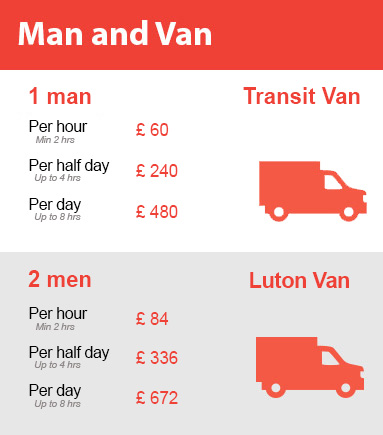
For smaller jobs, we may use a simple hourly rate with a minimum booking period. Larger moves are usually priced as a fixed job rate so you know the cost in advance. Any parking charges or congestion-related fees will be clearly stated before you confirm the booking.
Why Choose Professional Furniture Removals Over DIY
Hiring a professional removals company is not just about convenience; it is about reducing risk. With DIY or casual man-and-van options, you often lack proper insurance, experience and equipment. That can lead to damage, injury or delays.
With Man and Van New Cross you benefit from:
- Trained staff who move furniture every day
- Correct lifting techniques to protect both people and property
- Professional tools: trolleys, straps, covers and ramps
- Planned routes and timings to avoid unnecessary waiting
- Fully insured transport for your goods
This approach saves time, reduces stress and helps prevent expensive mistakes.
Insurance and Professional Standards
Your belongings are important, and we treat them that way. Man and Van New Cross maintains:
- Goods in transit insurance to cover your furniture while it is being moved
- Public liability cover for damage to third-party property or accidental injury
- Trained, vetted removal teams using agreed methods and checklists
We will explain the scope of cover and any limits or exclusions when you book so you know exactly where you stand. Additional cover for high-value items can be discussed where required.
Care, Protection and Sustainability
We take care not only of your furniture but also of your home and the environment. Our crews use reusable quilted covers, robust plastic crates (where requested) and recyclable packing materials whenever possible. We plan routes to reduce unnecessary mileage and fuel use.
Inside your property, we protect floors, doorways and bannisters to minimise scuffs and scratches. Items are wrapped and handled with care from start to finish, reducing the likelihood of damage and the need for repairs or replacements.
Real-World Furniture Removal Use Cases
Moving House Within New Cross
Many of our clients are moving between streets in SE14 or nearby areas. We manage everything from packing your furniture and dismantling beds to setting them up in your new bedrooms so you can sleep comfortably on the first night.
Office and Workspace Relocations
For local businesses, we handle the relocation of desks, chairs, storage units and meeting room furniture, often outside normal hours. We label and organise items so your team can get back to work quickly.
Urgent and Short-Notice Moves
Sometimes moves cannot wait. Subject to availability, we offer same-day or next-day furniture removals in New Cross for urgent situations, such as last-minute tenancy changes, repairs or deliveries that need extra muscle and a suitable vehicle.
Frequently Asked Questions
How much do furniture removals in New Cross cost?
The cost depends mainly on how much furniture you have, the access at each property and the distance between addresses. Smaller flat moves may be charged at an hourly rate with a minimum booking, while full-house or office moves are usually quoted as a fixed price. Additional services such as packing, materials and disassembly will be itemised clearly. Once we have your details and, if needed, completed a quick survey, we will provide a detailed quote so you know exactly what to budget for before you book.
Can you offer same-day or urgent furniture removals?
We can often help with same-day or short-notice moves in New Cross, particularly for smaller jobs or single items. Availability depends on existing bookings and vehicle allocation, so the earlier you contact us, the better. If we can fit you in, we will give you a realistic arrival window and clear pricing. Where same-day is not possible, we will do our best to offer the earliest slot and suggest practical options to bridge any gap, such as temporary storage or part-load solutions.
Are my belongings insured during the move?
Yes. We provide goods in transit insurance which covers your furniture while it is being transported in our vehicles, along with public liability cover for accidental damage to third-party property. Like any policy, there are limits and exclusions, for example for certain high-value or fragile items that require special preparation. We will explain the key points when you book and can advise on additional protection if you have particularly valuable pieces. Our emphasis is always on preventing damage in the first place through careful planning and handling.
What is included in your furniture removals service?
Our standard service includes loading, transport and unloading of your furniture between the agreed addresses, with placement of items into the rooms you specify. We supply blankets and protective covers as standard and use appropriate equipment such as trolleys and straps. Optional extras include professional packing, provision of boxes and materials, disassembly and reassembly of furniture, and moves to or from storage facilities. All inclusions will be listed in your quote so you know exactly what we will do on the day and what you may choose to handle yourself.
How is your service different from a basic man-and-van?
While we operate flexible vans and crews, our approach is closer to a traditional removals firm than a casual man-and-van. We provide trained teams, proper insurance, and specialist equipment designed for moving furniture. We carry out surveys for larger jobs, plan access and parking, and use structured loading methods to protect your items. A basic man-and-van may be fine for a few boxes, but for heavy, awkward or valuable furniture, a professional service like ours significantly reduces the risk of damage, delays and hidden costs.
How far in advance should I book my furniture removal?
For most moves, we recommend booking at least one to two weeks in advance, especially if you need a specific date or time slot, such as a Friday or month-end. During busy periods, such as summer and around university term changes, popular days fill quickly. That said, we always try to accommodate short-notice requests where our schedule allows. Once you have your moving date, get in touch and we will secure a slot and guide you through any preparation needed in the run-up to moving day.
Same day Removals
Same day Removals New Cross – Man and Van New Cross
At Man and Van New Cross, our same day removals service is designed for those moves that simply cannot wait. Whether you have been let down by another mover, received last‑minute notice from your landlord, or need an urgent office or student relocation, we provide a fast, organised and fully insured solution across New Cross and the surrounding areas.
What Our Same Day Removals Service Includes
Same day removals are all about speed without sacrificing care. We plan the move quickly, allocate the right size vehicle and team, and keep communication clear from the first call to the final item placed.
Typical same day services
- Emergency home removals within New Cross and nearby areas
- Last‑minute flat and house moves for renters and homeowners
- Student moves between halls, shared houses and storage
- Urgent office relocations and small business moves
- Short-notice collection & delivery of furniture and appliances
Every move is carried out by a trained, uniformed and professional team using removal blankets, straps and trolleys to keep your belongings safe in transit.
Local Same Day Removals Expertise in New Cross
Working daily in New Cross gives us a real advantage when it comes to urgent removals. We understand local traffic, parking restrictions, controlled parking zones and access to estates and tower blocks. That means we can advise quickly on loading points, arrange permits where needed and choose the most efficient routes in and out of the area.
Because we are genuinely local, we can usually reach you faster than national operators, particularly for same day removals that are booked at short notice in New Cross or surrounding postcodes.
Who Our Same Day Removals Service Is For
Homeowners
If your completion date has moved forward or your original remover has cancelled, we can step in to handle full or part house moves. We carefully protect furniture, white goods and personal possessions, even when working to tight timescales.
Renters
Tenancy ending today? Landlord suddenly changing arrangements? Our same day service helps renters move out quickly while still taking proper care of fragile and valuable items. We are used to dealing with flats, maisonettes and properties with restricted access in New Cross.
Landlords
For landlords needing a property cleared or part-cleared at short notice, we can remove furniture, appliances and belongings, ready for cleaning or new tenants. We always work respectfully and in line with your instructions.
Businesses
From small offices to independent shops, we provide same day removals for stock, equipment, documents and furniture. We aim to minimise disruption so you can keep trading with as little downtime as possible.
Students
Students in and around New Cross often need very last‑minute help moving between halls, house shares or back home. We offer budget‑friendly options, consolidating moves where possible while still keeping your belongings secure and organised.
What We Can and Cannot Move on the Same Day
Items typically included
- Household furniture – beds, sofas, tables, wardrobes, drawers
- Kitchen appliances – fridges, freezers, washing machines, cookers*
- Boxes, bags and suitcases
- Office furniture, IT equipment and files
- Student belongings – books, clothes, laptops, small furniture
- Garden furniture and small outdoor items
*Disconnection of gas or hard‑wired appliances must be carried out by a qualified professional before we arrive.
Items we cannot transport
- Hazardous or illegal items (fuel, gas bottles, chemicals, weapons)
- Livestock and pets
- Perishable or leaking food items in quantity
- Unboxed loose small items that cannot be safely loaded
- Very high‑value items without prior arrangement (fine art, certain antiques)
If you are unsure about any item, speak to us when you enquire. We can usually offer a safe alternative or explain what is required for us to carry it.
Our Step‑by‑Step Same Day Removals Process
1. Enquiry & Quote
Call or message us as soon as you know you need a same day removal in New Cross. We will ask brief but focused questions about property size, access, number of items and any time constraints. Based on this, we provide a clear, no‑obligation price estimate and confirm whether same day capacity is available.
2. Survey (Virtual or Onsite)
For most same day moves, we carry out a quick virtual survey by video or photos. This allows us to check parking distances, staircases, lifts and any particularly heavy or fragile items. For larger properties nearby and where time allows, we can attend in person for a short onsite survey.
3. Packing & Preparation
You can pre‑pack your own boxes, or we can assist with packing and preparation where time allows. We bring removal blankets, shrink‑wrap and mattress protectors as needed. Fragile items are wrapped and stacked carefully, and we label or group items by room to make unloading easier at the new address.
4. Loading & Transport
Our trained moving teams load your belongings, using trolleys and lifting equipment where appropriate. Heavy and bulky items are secured at the base of the load, with lighter boxes on top. We then transport everything directly to the new property, using the most efficient local routes around New Cross to keep delays to a minimum.
5. Unloading & Placement
On arrival, we unload items into your chosen rooms, not just at the front door. We place furniture where you want it and can assemble or re‑assemble basic items if previously agreed. Before we leave, we ask you to check that everything is present and positioned correctly.
Transparent Pricing for Same Day Removals
Same day moves are priced as clearly as possible, with no hidden extras. Costs are usually based on:
- Size of vehicle and number of movers required
- Estimated time for loading, travel and unloading
- Travel distance between addresses
- Access complexity (stairs, long carries, no lift, restricted parking)
- Any additional services such as packing or furniture assembly
For very small, urgent jobs we may charge a minimum call‑out. For larger same day removals, we typically agree a fixed price in advance so you know exactly what you will pay, even if traffic in New Cross slows things down.
Why Choose Professional Same Day Removals Over DIY
Trying to organise a last‑minute move yourself can be stressful and risky. Hiring a van, finding helpers, lifting heavy items without proper equipment and hoping nothing is damaged often ends up costing more in time and effort than expected.
By using a professional, established company like Man and Van New Cross you benefit from:
- Experienced, trained movers who know how to handle furniture safely
- Specialist equipment and vehicles designed for removals
- Goods in transit insurance and public liability cover
- Proper planning, even when time is short
- A single, accountable team looking after your entire move
Insurance and Professional Standards
Every same day removal we undertake is covered by appropriate insurance and delivered to recognised industry standards.
- Goods in transit insurance – protects your belongings while they are on our vehicle, subject to policy terms and agreed values.
- Public liability cover – protects against accidental damage to third‑party property or injury caused by our work.
- Trained moving teams – staff are briefed on safe lifting, packing for transport and working considerately in your home or business.
We operate with clear communication, written confirmations where possible and honest advice about what can realistically be achieved on the day.
Care, Protection and Sustainability
Even when a move is urgent, we never cut corners on care. Furniture and appliances are wrapped and protected, boxes are stacked to avoid crushing, and fragile items are clearly separated.
We also work to reduce waste and environmental impact where we can by:
- Re‑using durable moving blankets and protective materials
- Offering reusable crates for some business moves
- Planning routes in and around New Cross to minimise unnecessary mileage
- Encouraging responsible disposal or donation of unwanted items
Real‑World Same Day Use Cases in New Cross
Emergency House Move
A homeowner’s original removal company cancelled late the day before completion. We allocated a larger team first thing in the morning, completed a virtual survey that night, and moved the entire three‑bed property across New Cross within the required completion window.
Last‑Minute Student Relocation
Two students needed to leave halls the same day due to a change in accommodation arrangements. We provided a van and mover on a time‑based rate, consolidating both sets of belongings and delivering to separate shared houses the same afternoon.
Urgent Office Move
A small business had to vacate a serviced office at short notice. We packed IT equipment, boxed files and moved desks to a new workspace, ensuring everything was in place so staff could work normally the next morning.
Frequently Asked Questions
How much do same day removals in New Cross cost?
Costs vary depending on the size of your move, access, distance between addresses and how quickly you need us. Smaller same day jobs are often priced on an hourly rate with a minimum call‑out, while larger moves are usually charged at a fixed price agreed in advance. To give an accurate figure we will ask for a brief description or photos of what needs moving. There are no hidden extras – any parking, congestion or additional services will be discussed with you before you confirm the booking.
Can you always offer same day or urgent availability?
We cannot guarantee same day availability every time, but because we are based in New Cross and operate several vehicles, we can often help at short notice. The earlier in the day you contact us, the more likely we are to have capacity. In some cases, we may be able to part‑move you on the same day and complete the remainder the following morning. If we genuinely cannot assist, we will tell you honestly rather than over‑promising and letting you down.
Are my belongings insured during a same day move?
Yes. Our same day removals are covered by goods in transit insurance, which protects your belongings while they are loaded, transported and unloaded, subject to policy terms. We also carry public liability cover in case of accidental damage to property or third parties. We still handle your items as if they were uninsured, taking every precaution to avoid damage in the first place. If you have very high‑value or unusual items, please mention them when booking so we can confirm any additional requirements.
What exactly is included in your same day removals service?
Our standard service includes the vehicle, fuel, a trained moving team, protective equipment, loading, safe transport and unloading into your chosen rooms. We will dismantle simple furniture where agreed in advance and can help with basic packing if time allows. What is not automatically included are packing materials for you to keep, specialist dismantling (such as built‑in furniture), or disconnection of gas and hard‑wired appliances. We will set out clearly what is and is not included when we provide your quote.
How is your service different from a casual man‑and‑van?
While we do offer a flexible van and driver option, Man and Van New Cross operates as a professional removals company. That means proper insurance, trained staff, suitable vehicles and written confirmations. Casual man‑and‑van operators may not have the same level of cover or experience, particularly for full house or office moves. With us, you know who is turning up, when they will arrive, and that your belongings will be handled systematically rather than just thrown in the back of a van to save time.
How far in advance should I book a same day removal?
Same day by definition is short notice, but the more time you can give us, the better. If you know in the morning that you will need to move that day, contact us straight away so we can plan around existing bookings. For planned but tight‑deadline moves, booking even a day or two ahead gives us greater flexibility on timing and price. However, if you are in an emergency situation in New Cross, still get in touch – we will always do our best to find a safe, realistic solution.
House Removals
House Removals New Cross – Man and Van New Cross
Moving home in New Cross or nearby? At Man and Van New Cross, we provide a careful, well-organised house removals service designed to make moving day straightforward and stress-free. As a local, hands-on removals company, we combine practical experience, proper planning and the right equipment to protect your belongings and your property from start to finish.
Professional House Removals in New Cross
Our New Cross house removals service covers everything from small flats to large family homes. We work across SE14 and surrounding areas, including Brockley, Deptford, Peckham and Lewisham, handling both local and longer-distance moves.
Every move is carried out by a trained, uniformed team using the right tools for the job – removal blankets, trolleys, straps and protective covers – so your furniture, appliances and personal items are moved safely and efficiently.
Who Our House Removals Service Is For
Homeowners
Whether you are upsizing, downsizing or relocating out of London, we manage full household moves, from careful packing of fragile items to dismantling and reassembling bulky furniture. We’ll protect floors, bannisters and doorways to keep both the old and new property in good condition.
Renters
Moving between rented properties often comes with tight deadlines and inventory checks. We work to your check-out time, help you avoid damage during the move, and can prioritise items you need first at the new place so you can settle in quickly.
Landlords
For landlords in New Cross, we offer efficient removals for part-furnished and fully furnished properties, including removal of old furniture and placement of new items. Ideal for preparing a property between tenancies or after refurbishment.
Businesses
We support small offices and local businesses moving between premises or into co-working spaces. Desks, chairs, files, IT equipment and stock are handled carefully, with clear labelling and placement so you can be up and running again as quickly as possible.
Students
Studying at Goldsmiths or another nearby university? Our student moves are tailored for smaller loads, shared houses and halls of residence, with flexible dates around term time and budget-conscious options.
What Our House Removals Service Includes
Items Typically Included
- Household furniture – beds, wardrobes, sofas, tables, chairs, bookcases
- White goods – fridges, freezers, washing machines, tumble dryers, cookers (disconnected beforehand)
- Electronics – TVs, computers, sound systems, gaming equipment
- Personal items – clothes, books, ornaments, artwork and photos
- Kitchen contents – crockery, glassware, utensils, small appliances
- Garage and shed items – boxed tools, lawnmowers, bikes (where safe and clean)
What We Cannot Move
For safety and insurance reasons, some items are excluded from standard removals:
- Hazardous materials – gas bottles, paint tins, solvents, chemicals and fuel
- Illegal or stolen goods
- Live animals and pets (we can advise on pet transport options)
- Refrigerated or frozen food for long-distance moves
- Excessively soiled, infested or unsafe items
If you are unsure about a particular item, ask us at the quote stage so we can advise or suggest alternatives.
Our Step-by-Step Removals Process
1. Enquiry & Quote
You contact us with the details of your move – current and new addresses, property type, number of rooms and preferred date. We ask a few practical questions about access, parking and any special items. Based on this, we provide a clear, no-obligation quotation with a breakdown of what is included.
2. Survey – Virtual or Onsite
For larger or more complex moves, we arrange a short video survey or onsite visit. This allows us to see access points, stairs, lifts and parking, and to assess awkward or heavy items. A proper survey helps us send the right size vehicle, enough staff and the right equipment on the day, avoiding delays and last-minute issues.
3. Packing & Preparation
We offer both full packing and part-packing services, or you can pack yourself. When we pack, we bring strong double-walled boxes, bubble wrap and paper, and we label everything clearly by room. Even if you pack, we still protect key items with removal blankets, mattress covers and TV covers, and we can dismantle and wrap large furniture where needed.
4. Loading & Transport
On moving day, our team arrives at the agreed time, walks through the plan with you, and systematically loads the van. Heavy and bulky furniture is loaded first, secured with straps, and then boxes are stacked safely. We drive directly to your new property using the most efficient, sensible route and keep you updated if there are any unavoidable delays on the road.
5. Unloading & Placement
At your new home, we unload room by room according to your instructions. Furniture is placed in position, and reassembly is completed for any items we dismantled. We always check that everything has come off the van and is where you want it before we leave.
Transparent Pricing – How Our Charges Work
We believe in clear, upfront pricing with no hidden extras. Our quotes are based on:
- Volume of goods (or property size as a guide)
- Distance between addresses
- Access and parking complexity
- Number of movers required
- Optional services such as packing or dismantling
For smaller moves we may offer competitive hourly rates; for full house removals we usually provide a fixed price so you know exactly what to budget. Any potential additional charges (for example, congestion charges, tolls or long carry distances) are discussed in advance.
Why Choose Professional Removals Over DIY
Hiring a professional removals company is about more than just having a van. Our team moves homes every day. We know how to pack fragile items properly, how to lift safely and how to protect both furniture and property. This reduces the risk of damage and injury, and usually makes the whole move significantly quicker.
DIY or casual man-and-van options might seem cheaper at first glance, but they often involve multiple trips, inadequate protection, and limited or no insurance. With Man and Van New Cross you get a planned service, clear timings, fully insured cover and experienced movers who know how to handle awkward staircases, tight hallways and busy New Cross streets.
Insurance & Professional Standards
Your belongings are important, both financially and emotionally. Our service is backed by:
- Goods in transit insurance – protecting your items while they are in our care and on our vehicles
- Public liability cover – protecting you and your property in the unlikely event of accidental damage
- Trained moving teams – staff who are shown the correct lifting techniques, packing methods and safe van loading practices
We work to sensible, professional standards: turning up on time, communicating clearly, and treating your property and belongings with respect. If something unexpected happens, we deal with it openly and practically.
Care, Protection and Sustainability
We aim to move your home with care while keeping our environmental impact as low as is reasonable.
- Use of reusable protective materials – blankets, covers and crates
- Encouraging the reuse of sturdy boxes and responsible recycling of old packaging
- Planning routes to minimise unnecessary mileage and emissions
- Regular vehicle maintenance to keep vans efficient and reliable
Inside your home, we use floor runners and corner protectors where appropriate, and we take particular care with stairways, bannisters and door frames to avoid scuffs and scrapes.
Real-World Use Cases
Moving House Within New Cross
If you are moving from one New Cross property to another, we can often complete the entire move in a single day. Local knowledge of parking restrictions, bus lanes and one-way systems helps us avoid delays and ensure we can park close to both addresses.
Office and Small Business Relocations
For local businesses moving in or out of New Cross, we can schedule moves outside normal trading hours to reduce downtime. Equipment, stock and documents are labelled and placed logically so your team can get back to work quickly.
Urgent or Short-Notice Moves
Sometimes moves happen faster than planned – a sudden completion date, a tenancy ending, or a change of circumstances. Where our schedule allows, we offer same-day or short-notice house removals in New Cross and nearby areas. Contact us as early as you can and we will do our best to help.
Frequently Asked Questions
How much do house removals in New Cross cost?
Costs vary depending on the size of your property, volume of belongings, access and distance. A small flat move within New Cross can sometimes be handled on an hourly rate, while larger family homes are usually quoted at a fixed price. Optional extras such as packing, materials and dismantling services will affect the total. The most accurate way to get a price is to contact us for a tailored quote based on your exact circumstances and the dates you have in mind.
Can you provide same-day or urgent removals?
Yes, we can often help with same-day or short-notice moves in New Cross, depending on our schedule and vehicle availability. Urgent moves are more likely to be possible on weekdays outside peak periods, but it is always worth asking. If we can accommodate you, we will give you a clear idea of timings, costs and what is realistically achievable in the time available so you can make an informed decision.
Are my belongings insured during the move?
Yes. We provide goods in transit insurance for items we transport, and we also hold public liability cover. These policies are designed to protect your belongings and your property while we are working. We will explain the key points of cover, including any limits or exclusions, when we quote for your move. For particularly high-value items, we may ask you to declare them so we can confirm the appropriate arrangements in advance.
What is included in your house removals service?
Our standard service includes loading all agreed items, safe transport from your old home to your new one, and unloading into the rooms you choose. We protect furniture with blankets and covers, and we handle normal dismantling and reassembly of straightforward items by prior agreement. You can add packing, materials supply, and disposal of unwanted packaging if required. Everything that is included will be clearly listed in your written quotation before you book.
How is a professional removals service different from a basic man-and-van?
A basic man-and-van typically offers transport only, often without formal training, specialised equipment or comprehensive insurance. Our service is a structured professional removals operation: trained teams, proper planning, protective materials, insurance cover and clear communication from enquiry to completion. This reduces the risk of damage, avoids multiple unnecessary trips and gives you more predictable timings. For a full house move or a property with awkward access, the difference in quality and reliability is significant.
How far in advance should I book my move?
Ideally, you should book your New Cross house removal as soon as you have a confirmed date, especially if you are moving on a Friday, at month-end or during summer. Two to four weeks’ notice is typical for larger moves, but we can sometimes accommodate shorter lead times. Early booking gives us more flexibility to allocate the right crew and vehicle, and it gives you time to prepare, declutter and pack at a sensible pace.
Student Removals
Student Removals New Cross – Man and Van New Cross
At Man and Van New Cross, we specialise in straightforward, reliable student removals in and around New Cross. Whether you are moving into halls, changing house shares, or heading home for the summer, we provide a calm, organised service tailored to student life and budgets.
Specialist Student Removals in New Cross
Studying in New Cross usually means juggling deadlines, part-time work and a busy social life. Moving should not add to the stress. Our professional student removals service is built around tight timetables, small but precious loads and shared accommodation challenges.
We regularly move students to and from local universities and colleges, including Goldsmiths, University of London and nearby campuses. Our drivers know the local roads, halls entrances and loading restrictions, so we plan ahead to keep things smooth and on time.
Who Our Student Removals Service Is For
While this page focuses on student removals, our service is designed for a wide range of customers in New Cross:
Students
Ideal if you are:
- Moving into halls or student accommodation for the first time
- Switching between house shares in New Cross or across London
- Placing belongings into storage over the summer
- Relocating to another city or returning home at the end of your course
Homeowners & Renters
Many small flat and studio moves are similar in scale to student moves. We help:
- Homeowners moving a child to or from university
- Renters with light moves between furnished properties
Landlords
We support landlords who need quick, tidy removals of student belongings left behind, or help with part-furnished properties between tenancies.
Businesses
Local businesses often use our lighter-load service for interns and graduates, or for moving small amounts of office equipment between sites.
What We Can Move for Students
Even a small room can contain a lot. Our trained team handle most items students typically need to move, including:
- Suitcases, rucksacks and boxes of clothes
- Books, folders, course materials and instruments
- Laptops, PCs, monitors and gaming gear
- Small furniture: desks, chairs, bedside tables, shelving
- Kitchenware, small appliances, bikes and sports equipment
- Personal items, decorations, bedding and storage crates
Items We Cannot Move or Move Only by Prior Arrangement
For safety and legal reasons, some items are excluded or restricted. We will always advise clearly before the move. Typically, we do not move:
- Hazardous or flammable materials (gas canisters, fuel, some chemicals)
- Illegal items or anything prohibited by law
- Open containers of liquids or perishable food for long-distance moves
- Large commercial appliances not suitable for domestic vans
High-value items such as professional music equipment or specialist computers can usually be moved, but we may ask for more detail to ensure suitable packing and insurance cover.
How Our Student Removals Process Works
1. Enquiry & Quote
Contact us by phone, email or online form with your move details: addresses, dates, access information and what you need moved. We provide a clear, no-obligation quote based on the volume of items, distance and any additional services, such as packing.
2. Survey – Virtual or Onsite
For most student removals, a quick virtual survey via photos, video call or item list is enough. For larger loads or shared houses, we can arrange an onsite visit in New Cross to confirm access, parking and any special handling needs. This helps avoid surprises on the day.
3. Packing & Preparation
You can pack your own belongings, or use our packing service if you are short of time or transport. We can supply quality boxes, tape and protective materials. Our team label boxes clearly, protect fragile items and ensure electronics are safely prepared for transit.
4. Loading & Transport
On moving day, our professional crew arrive on time, introduce themselves and walk through the job with you. We protect communal areas where needed, carry items carefully, and load the van to minimise movement in transit. Your goods are covered by our goods in transit insurance while on board.
5. Unloading & Placement
At your new accommodation, we unload items to the rooms you request, not just to the doorway. We will place furniture where you want it, stack boxes sensibly and check you are happy before we leave. If we have supplied packing materials, we can collect reusable materials on a later date by arrangement.
Transparent and Fair Pricing
We understand that students work to tight budgets. Our pricing is straightforward and explained clearly in advance. Costs are usually based on:
- Size of the van and number of movers needed
- Time required, including loading, travel and unloading
- Distance between properties
- Any additional services (packing, materials, dismantling)
There are no hidden charges for normal stairs or reasonable walking distances. Parking fees or congestion charges, where unavoidable, are always discussed upfront. We aim to offer an option that balances affordability with a reliable, fully insured service.
Why Choose Professional Removals Over DIY?
It can be tempting to move using a friend’s car or a casual man-and-van advert. In practice, this often costs more time, stress and risk than it saves. With Man and Van New Cross you benefit from:
- Trained movers who handle belongings safely, including fragile tech and instruments
- Fully insured vehicles and goods in transit insurance for your peace of mind
- Proper equipment: trolleys, straps, blankets and tools for dismantling
- Local knowledge of New Cross parking, one-way systems and building access rules
- Clear communication, confirmed timings and written booking details
DIY moves often involve multiple trips, last-minute cancellations and damage that no one is liable for. A professional service keeps your move organised, predictable and properly covered.
Insurance and Professional Standards
Your belongings are important, whether it is a laptop full of coursework or a guitar you have had for years. We take our responsibilities seriously:
- Goods in transit insurance – protects your items while they are being moved in our vehicles.
- Public liability cover – protects against accidental damage to third-party property during the move.
- Trained moving teams – all staff are briefed on handling techniques, lifting safety and customer care.
We follow sensible, proven working practices: careful route planning, sensible loading, and clear documentation. If you have specific insurance questions, we are happy to explain our cover in plain language.
Care, Protection and Sustainability
We treat student belongings with the same care as a full household move. That means:
- Using blankets, wraps and padding on furniture and fragile items
- Protecting doorways and floors in communal areas where appropriate
- Ensuring boxes are stacked safely to avoid crushing contents
We also aim to work responsibly:
- Reusing sturdy boxes and materials where hygiene and safety allow
- Encouraging customers to recycle or donate items they no longer need
- Planning routes efficiently to minimise unnecessary mileage
Real-World Student Removal Scenarios
Moving to Halls in New Cross
We regularly help first-year students move from home to New Cross, often coordinating with parents travelling from outside London. We schedule arrival windows around hall check-in times and campus traffic controls.
Changing House Shares Mid-Year
Shared houses can be awkward, with limited parking and tight staircases. Our team is used to navigating these spaces, protecting communal areas and keeping disruption to a minimum for remaining tenants.
End-of-Term and Summer Storage Moves
For overseas students or those on placement, we can move belongings from accommodation to local storage facilities, then return them when you arrive back in New Cross.
Urgent and Short-Notice Moves
Sometimes plans change quickly: course changes, tenancy issues or unexpected deadlines. Where capacity allows, we offer same-day or next-day student removals in New Cross, with clear communication about timing and costs.
Frequently Asked Questions
How much do student removals in New Cross cost?
Costs depend on how much you are moving, the distance between properties and whether you need extras such as packing. Smaller student moves within New Cross are often priced on an hourly rate for a van and one or two movers, with a minimum booking period. Longer-distance or larger moves may be quoted as a fixed price. We always provide a clear estimate before you book, explaining exactly what is included so you can compare options and plan your budget with confidence.
Can you do same-day or urgent student moves?
Yes, we can often handle same-day or urgent student removals in New Cross, especially outside peak weekend or end-of-month periods. Availability depends on our existing bookings and the size of your move, so the earlier you contact us, the better. If we can help, we will agree a realistic arrival window and confirm it in writing. If we are fully booked, we will say so honestly rather than over-promising and letting you down at the last minute.
Are my belongings insured during the move?
Yes. Your items are covered by our goods in transit insurance while they are being moved in our vehicles, and we also carry public liability cover. This provides protection if something goes wrong despite our best efforts. There may be reasonable limits and exclusions, as with any policy, which we are happy to explain. For particularly high-value items, we may recommend you also check your own contents or student insurance, so you have complete peace of mind.
What is included in your student removals service?
Our core service includes a suitable van, one or more professional movers, loading, safe transport and unloading to your chosen rooms. We provide moving blankets, straps and standard protection for furniture as part of the price. Optional extras include packing services, supply of boxes and materials, dismantling and reassembly of simple furniture, and moves to or from storage units. We will outline exactly what is included in your quote, so you can decide which services you need and avoid unnecessary costs.
How is your service different from a basic man-and-van?
While we operate vans, our approach is closer to a structured removals company than a casual man-and-van. We provide written quotes, confirmed bookings, insured vehicles and trained staff. Our team use protective equipment, plan routes and timings properly, and understand how to handle fragile or valuable items. A basic man-and-van service may be cheaper on paper, but often lacks insurance, reliability and accountability. We focus on giving you a predictable, professional experience from first enquiry to completion.
How far in advance should I book my student move?
For the best choice of dates and times, especially around September and June, we recommend booking at least two weeks in advance. However, we understand that student plans can change quickly, so we will always try to accommodate shorter notice where possible. Once your exam timetable or tenancy dates are confirmed, it is sensible to reserve a slot. You can still update item lists or addresses closer to the day, and we will adjust the details with you as needed.
Flat Removals
Flat Removals New Cross – Man and Van New Cross
Moving in or out of a flat in New Cross brings its own challenges: stairs, tight hallways, lift restrictions, parking and neighbours to consider. At Man and Van New Cross, we provide a dedicated flat removals service designed around local buildings, local access issues and your specific needs, so your move is handled safely, efficiently and with minimum stress.
Specialist Flat Removals in New Cross
Our flat removals team has years of hands-on experience moving tenants and owners around New Cross and the surrounding areas. From top-floor studio apartments to larger maisonettes, we understand how to protect your belongings and your building, while keeping disruption to a minimum.
We combine a careful, methodical approach with a practical, no-fuss attitude. Every move is planned, from booking lift slots and arranging parking, to deciding which items need extra protection and which can be dismantled to get through tight doorways.
Who Our Flat Removals Service Is For
Homeowners
If you’re selling or buying a flat in New Cross, we offer a complete removal service that coordinates with your completion dates and key collection, helping you avoid last-minute stress on moving day.
Renters
We regularly help tenants move between rented flats, including house-shares and studio apartments. We can work around check-in/check-out times and inventory inspections, and we take extra care not to mark walls, floors or communal areas.
Landlords
Landlords use our professional flat clearance and removals service to remove old furniture, clear after tenants vacate, or set up furnished lets. We can handle single-item removals through to full flat clearances, with responsible disposal where required.
Businesses
Many small businesses operate from flats or mixed-use buildings in New Cross. We can relocate home offices, treatment rooms and small studios, including desks, filing cabinets, stock and equipment, while keeping downtime as low as possible.
Students
Students at Goldsmiths and nearby colleges often move between halls, shared flats and private rentals. Our flat removals service is ideal for smaller loads, shared moves and term-time relocations, with flexible dates and times.
What’s Included in Our Flat Removals Service
We tailor every move, but as standard our service can include:
- Collection from your existing flat, including careful handling in stairwells and lifts
- Protective covers for furniture, mattresses and key items
- Disassembly and reassembly of basic furniture where needed
- Safe loading into the van using proper moving equipment
- Transport to your new address in New Cross or beyond
- Unloading and placement of items into the correct rooms
- Basic positioning of furniture so you can start settling in straight away
Typical Items We Move
- Sofas, armchairs and sofa beds
- Beds, wardrobes and chests of drawers
- Dining tables, desks and office chairs
- TVs, audio equipment and small appliances
- Fridges, freezers, washing machines and cookers (by prior agreement)
- Clothing, books, kitchenware and personal items in boxes
- Artwork, mirrors and decorative items with appropriate protection
Items We Cannot or Generally Do Not Move
For safety and legal reasons, some items are excluded or require special arrangements:
- Hazardous materials (fuel, gas bottles, paint thinners, chemicals)
- Illegal items or anything that cannot be legally transported
- Large commercial machinery or industrial equipment
- Heavy safes or items beyond safe manual handling limits without prior agreement
- Live animals (we do not transport pets – please use specialist pet carriers)
- Perishable frozen food on long-distance moves
If you are unsure about a particular item, let us know during the quote stage and we’ll advise on the safest approach.
Our Step-by-Step Flat Removals Process
1. Enquiry & Quote
You contact us with the details of your flat move in New Cross: addresses, access information, date, and a rough list of items. We provide a clear, no-obligation quote, explaining what is included and any options such as packing or disassembly.
2. Survey – Virtual or Onsite
For anything more than a very small move, we recommend a quick survey. This can be virtual (photos or video call) or an onsite visit. We look at access, parking, stairs, lift sizes and your belongings. This helps us allocate the right team, vehicle and equipment, and avoid surprises on the day.
3. Packing & Preparation
You can choose to pack yourself or use our professional packing service. If you pack, we’ll guide you on box sizes, labelling and protecting fragile items. If we pack, our trained team will bring materials and carefully pack your belongings, ensuring everything is ready for safe transport.
4. Loading & Transport
On moving day, we arrive on time, protect key items, and plan the order of loading to make best use of space and protect your belongings. We work carefully in communal areas to avoid damage and keep noise to a reasonable level. Your goods are then transported securely to your new address.
5. Unloading & Placement
At the new flat, we unload items into the rooms you specify, reassemble any furniture agreed in advance, and place larger pieces where you want them. Before we leave, we do a quick walk-through with you to ensure everything is in the right place and you’re happy with the result.
Transparent, Fair Pricing for Flat Removals
We believe in clear pricing with no hidden extras. Your quote will be based on:
- Volume of items to be moved
- Access and floor level at both properties
- Distance between addresses
- Number of movers required
- Optional services such as packing or furniture assembly
We’ll explain exactly what is included in your price and highlight anything that may incur additional cost, such as delays caused by key release issues, unexpected access problems or last-minute changes in inventory.
Why Use Professional Flat Removers Instead of DIY
Trying to move a flat yourself, or relying on a casual man-with-a-van, can quickly become more trouble than it’s worth. Professional removers bring:
- Trained handling techniques to avoid injury and damage
- Proper equipment such as trolleys, protective covers and ties
- Experience navigating stairwells, lifts and tight corners
- Planned loading so items arrive in good condition and in the right order
- Insurance cover that protects your belongings in transit
By using a professional flat removals service, you reduce the risk of damage to your belongings or the building, avoid last-minute problems with access and parking, and save yourself the physical strain of heavy lifting.
Insurance and Professional Standards
Man and Van New Cross operates to recognised industry standards. We are fully insured and take our responsibility for your belongings seriously.
- Goods in transit insurance – Your items are covered while being transported in our vehicles, subject to our terms and conditions.
- Public liability cover – Protection in the unlikely event of accidental damage to property or third parties during the move.
- Trained moving teams – Our staff are experienced in safe lifting, packing and loading, and receive ongoing training in best practice.
We will happily outline the key points of cover on request, so you know exactly how your belongings are protected.
Care, Protection and Sustainability
Every move is carried out with care. We use protective blankets, mattress covers and wrapping to safeguard furniture and surfaces. Where needed, we can protect door frames and banisters to reduce the risk of scuffs in tight spaces.
Sustainability matters to us. We aim to minimise waste by reusing durable moving materials where appropriate and recycling packaging at the end of its life. We also plan routes sensibly to reduce unnecessary mileage and fuel use, while still providing a reliable service.
Real-World Flat Removal Scenarios
Moving Between Flats in New Cross
Whether you’re upsizing, downsizing or simply changing area, we manage full flat-to-flat moves, including temporary storage solutions if there’s a gap between tenancies or completion dates.
Office or Home-Office Relocation
If you run a small business from your flat, we can move office furniture, IT equipment and files with the same care as domestic items, helping you get back up and running quickly.
Urgent or Short-Notice Moves
Life doesn’t always give much notice. Where our schedule allows, we offer fast-response and same-day flat removals, especially within New Cross and neighbouring areas. We’ll always be honest about realistic timings and what we can achieve safely.
Frequently Asked Questions
How much does a flat removal in New Cross cost?
The cost of a flat removal depends on the size of your flat, the volume of items, access at each property and the distance between addresses. Smaller studio or one-bedroom moves may be priced on an hourly rate, while larger flats are often quoted as a fixed price. Optional services such as packing or dismantling furniture will also affect the total. Once we’ve taken details or carried out a quick survey, we’ll provide a clear, written quote so you can see exactly what you’re paying for.
Can you handle same-day or urgent flat moves?
Where our schedule allows, we do offer same-day or short-notice flat removals in and around New Cross. Availability will depend on the size of the move, the time of day and how quickly we can arrange access and parking. For urgent jobs, it’s helpful if you can provide photos or a concise list of items so we can assess what’s needed. We’ll always be transparent about what we can realistically achieve and will never compromise on safety just to squeeze in an extra job.
Are my belongings insured during the move?
Yes. We provide goods in transit insurance to cover your belongings while they are being transported in our vehicles, plus public liability cover for peace of mind at your properties. Insurance operates under specific terms and limits, which we’re happy to explain before you book. We also take a preventative approach: careful packing, secure loading and experienced handling to reduce the chance of anything being damaged in the first place.
What’s included in your flat removals service?
Our standard service includes collection from your current flat, careful loading, secure transport and unloading into the rooms of your choice at the new address. We provide blankets and basic protection for furniture, and we can include dismantling and reassembly of straightforward items by prior agreement. Optional extras include full or partial packing, supply of packing materials and flat clearances. Your quote will set out exactly what is included so there are no surprises on the day.
How is a professional flat removal different from a basic man-and-van?
A casual man-and-van may be fine for a few boxes, but a full flat removal usually benefits from a professional team. We carry insurance, use the right equipment and follow a planned process. That means safer lifting, better protection for your belongings and building, and a move that runs to a clear schedule. We also conduct surveys where appropriate, assess access and parking in New Cross, and allocate the right size vehicle and crew so your move is completed efficiently and with less stress.
How far in advance should I book my flat removal?
Ideally, you should book as soon as you have a confirmed moving date, especially if you’re moving at the end of the month, on a Friday or during peak seasons. One to three weeks’ notice is common for smaller flats, while larger or more complex moves may benefit from even more notice. That said, we understand dates can change, so we try to be flexible where possible. If your move is short-notice, contact us and we’ll let you know our earliest availability.
Man with Van
Man with Van New Cross – Professional Local Removals
At Man and Van New Cross, our man with van service is designed for anyone who needs a reliable, well-organised and professional move in and around New Cross. Whether you are moving a single item across SE14 or relocating a whole flat across London, we provide a calm, efficient service built on years of hands-on removals experience.
What Our Man with Van Service Includes
Our man with van in New Cross is a flexible removals option that can be scaled up or down to suit your needs. You get a dedicated vehicle, an experienced driver–porter and, if required, additional porters to handle heavier or more complex moves.
Typical service variations include:
- Single-item collections and deliveries – sofas, wardrobes, white goods, beds and bulky furniture
- Studio and one-bedroom flat moves – ideal for renters and first-time buyers
- Student moves – between halls, house shares and storage
- Small office relocations – desks, chairs, IT equipment and archives
- Store collections – IKEA and other retailers where delivery is limited or expensive
All work is carried out by trained, professional crews using vans equipped with blankets, straps and basic tools to protect and secure your belongings.
Local Expertise in New Cross
Working daily in New Cross and the surrounding SE postcodes, we understand local roads, parking restrictions and building layouts. From conservation streets off New Cross Road to modern apartment blocks near New Cross Gate and New Cross stations, we know how to plan access, deal with tight stairwells and coordinate with concierge or building management where required.
Our local knowledge means:
- Realistic timing for your move, even during busy rush hours
- Practical parking solutions for streets with controlled zones
- Experience with student accommodation and HMOs around Goldsmiths and nearby areas
- Sensible route planning for cross-London journeys from New Cross
Who Our Man with Van New Cross Service Is For
Homeowners
If you are moving from or to a flat or smaller house in New Cross, our man with van service offers a cost-effective alternative to a large removal lorry. We handle furniture, boxes, garden items and more, with the same care as a full home removal.
Renters
Perfect for tenants moving between rented flats, studios and house shares. We are used to working around lift bookings, tight time windows and landlord check-in and check-out times.
Landlords
We regularly assist landlords with part clearances, furniture changes and moving items between properties. We can remove old furniture (for disposal via licensed partners) and deliver new items ready for incoming tenants.
Businesses
Small businesses in New Cross use our man with van services for internal office moves, relocating to new premises, event logistics and regular stock movements. We are comfortable handling boxed files, office furniture, IT equipment and light machinery.
Students
Students around New Cross and nearby universities rely on us for term-time moves, summer storage runs and international travel connections. We keep things simple, clear and affordable, and we are used to working with parents booking on behalf of students.
What We Can and Cannot Move
Items Typically Included
- Household furniture – beds, wardrobes, sofas, tables, chairs, bookcases
- Appliances – fridges, freezers, washing machines and cookers (disconnected)
- Personal belongings – boxes, suitcases, bags, books and clothing
- Office items – desks, chairs, filing cabinets, monitors and boxed IT equipment
- Hobby items – bikes, musical instruments, gym equipment (manageable weight)
Items Excluded or Requiring Prior Agreement
- Hazardous materials (fuel, gas bottles, chemicals, paint thinners)
- Live animals or pets
- High-value artwork, jewellery or cash
- Industrial machinery beyond normal man-with-van capability
- Items that are not safely packed, extremely dirty or infested
If you are unsure about any item, let us know during your enquiry and we will confirm what is possible and how best to handle it.
Our Step-by-Step Man with Van Process
1. Enquiry & Quote
You contact us with details of your move: addresses, access information, inventory, date and preferred time. We then provide a clear, no-obligation quote, usually based on a fixed price for your specific job or, for open-ended work, an hourly rate with a minimum booking period.
2. Survey (Virtual or Onsite)
For straightforward jobs, a detailed phone conversation or video call is enough. For larger or more complex moves, we may recommend a short virtual or onsite survey. This ensures we allocate the right van size, number of porters and time, helping prevent delays on the day.
3. Packing & Preparation
You can choose to pack your own belongings or add our packing service. If you are packing yourself, we provide guidance on box sizes, labelling and protecting fragile items. On the day, we bring protective blankets, straps and basic tools for furniture disassembly where agreed.
4. Loading & Transport
Our team arrives on time, introduces themselves and walks through the property with you. We then load items systematically, protecting furniture, securing items in the van and maximising space. Once loaded, we transport everything directly to your new address or to storage, using sensible routes and steady driving.
5. Unloading & Placement
At the destination, we unload items into the rooms you specify, placing larger furniture where you want it. We reassemble any agreed items and check with you that everything has been unloaded and placed appropriately before we leave.
Transparent Pricing
We believe in clear, upfront pricing with no hidden extras. Our man with van New Cross service is typically priced either:
- By the hour – with a minimum charge and clearly stated start/finish times
- As a fixed price – based on a detailed description or survey of your move
Factors that can affect the price include the number of porters needed, the size of van required, distance travelled, access issues (no lift, long carries, difficult parking) and any extra services such as packing or furniture disassembly. All of this is discussed and agreed in advance.
Why Choose Professional Removals Over DIY
Hiring a casual man-and-van or doing everything yourself may appear cheaper, but the risks and stress often outweigh the savings. With Man and Van New Cross you benefit from:
- Fully insured service with appropriate cover for your belongings
- Trained movers who know how to lift, carry and protect items safely
- Proper equipment – blankets, straps, trolleys and tools
- Reliable timings and a structured approach to your move
- Support if plans change or issues arise on the day
This reduces the risk of damage, injuries and last-minute cancellations that are common with informal arrangements.
Insurance and Professional Standards
We operate as a professional removals business, not a casual side job. Our man with van New Cross service is backed by:
- Goods in transit insurance – covering your belongings while they are in our vehicle (within policy limits and terms)
- Public liability cover – protecting you and your property in the unlikely event of accidental damage
- Trained moving teams – staff instructed in safe lifting, loading and handling techniques
We maintain our vehicles regularly and work to consistent standards on every job, whether it is a single sofa or a full flat move.
Care, Protection and Sustainability
We treat every move as if it were our own belongings being transported. Furniture is wrapped in transit blankets, fragile items are placed carefully, and loads are secured to avoid shifting in transit. Where possible, we reuse durable packing materials and favour recyclable options.
To reduce unnecessary journeys, we plan routes efficiently and, where practical, combine smaller jobs in similar areas without compromising service quality. If you wish to donate unwanted items, we can often suggest local charities or reuse schemes in and around New Cross.
Common Real-World Use Cases
Moving House or Flat
Ideal for studio and one-bedroom homes, or as an additional van on bigger moves. We can move you within New Cross or to anywhere in London and beyond, coordinating with estate agents, landlords and key collection times.
Office Relocation
For small businesses, our man with van service handles desk moves, internal reshuffles and relocations to new premises. We can schedule work outside standard office hours to minimise disruption.
Urgent or Same-Day Moves
Life happens quickly – tenancy changes, last-minute purchases, unexpected clear-outs. Subject to availability, we can often provide same-day or short-notice man with van support in New Cross and nearby areas. Calling early in the day gives the best chance of securing a slot.
Frequently Asked Questions
How much does a man with van in New Cross cost?
Pricing depends on several factors: the size of van required, the number of movers, the distance between addresses and how long the job is expected to take. Smaller local moves may be charged by the hour with a minimum booking, while more involved moves are often fixed-price. To give an accurate figure we ask for details of your inventory, access (floors, lifts, parking) and dates. We then provide a clear written quote so you know exactly what is included before you book.
Can you do same-day or urgent man with van bookings?
Yes, subject to availability we can often help with same-day or urgent moves in New Cross and surrounding areas. Our ability to respond quickly depends on how busy the schedule is and the size of job you require. For last-minute requests, calling us as early as possible is best. We will let you know immediately what time slots and van sizes we can offer, and provide a straightforward cost based on your requirements and expected duration.
Are my belongings insured during the move?
Yes. Our service includes goods in transit insurance to cover your belongings while they are in our vehicle, subject to policy limits and standard exclusions (such as certain high-value items not declared in advance). We also hold public liability cover in case of accidental damage to property. We will happily explain the key terms in plain language before you book, and if you have particularly valuable or unusual items we will advise on the best way to protect them.
What is included in your man with van service?
Our standard service includes a dedicated van, an experienced driver–porter, loading and unloading of your items, transit within the agreed distance and basic protection such as blankets and straps. We place items in the rooms you choose at the destination. Optional extras include additional porters, packing services, provision of packing materials and furniture disassembly and reassembly. Everything that is and is not included will be set out clearly in your quote so there are no surprises on the day.
What is the difference between your service and a casual man-and-van?
We operate as a professional removals company, not an informal side business. That means proper insurance, maintained vehicles, trained staff and clear booking terms. Casual operators may not have adequate cover, may cancel at short notice or may lack the equipment and experience to handle heavier or delicate items safely. With us, you get structure, accountability and consistent standards, reducing the risk of damage, delays and stress during your move.
How far in advance should I book?
For preferred dates and times, especially weekends and month-end, we recommend booking your man with van in New Cross one to two weeks in advance. However, we understand that moves are not always planned that far ahead. If you need a van at short notice, contact us and we will do our best to fit you in. Once you confirm a booking, we reserve the vehicle and team for your slot, giving you certainty in your moving plans.
Piano Removals
Piano Removals in New Cross by Man and Van New Cross
Moving a piano is never just another job. It is heavy, delicate, and often the most treasured item in a property. At Man and Van New Cross, we provide specialist piano removals in New Cross and surrounding areas, using the correct equipment, techniques and protection to move your instrument safely and efficiently.
Specialist Piano Removal Services in New Cross
Our piano removal service is designed specifically for the challenges of moving pianos through tight London streets and tricky New Cross properties. We plan every move carefully, taking into account stairs, narrow hallways, parking restrictions and access at both ends.
We regularly move:
- Upright pianos – from compact uprights to larger studio models
- Grand and baby grand pianos – dismantling legs and pedals where required
- Digital pianos and keyboards – with appropriate padding and secure loading
- Piano moves within the same property – room-to-room or floor-to-floor
- Piano transport to storage – including wrapping for longer-term storage
Every move is carried out by a trained, experienced team using piano skates, padded covers, webbing straps and the right vehicle for the size and weight of your instrument.
Local Expertise in and Around New Cross
Based in New Cross, we know the local streets, estates and parking conditions extremely well. This local knowledge allows us to plan realistic arrival times, secure parking where possible, and anticipate access issues before we turn up at your door.
We regularly work in:
- New Cross and New Cross Gate
- Deptford, Brockley and Telegraph Hill
- Peckham, Lewisham and Greenwich
Whether you are moving a piano into a top-floor flat, a terraced house with a narrow hallway, or a commercial venue, we plan the safest route for your specific property.
Who Our Piano Removals Service Is For
Our specialist piano removal service is suitable for:
- Homeowners – moving house within New Cross or further afield
- Renters – relocating between flats, HMOs or student accommodation
- Landlords – clearing or installing pianos in rental properties
- Businesses – bars, restaurants, schools, music venues and studios
- Students – moving digital pianos or smaller uprights to and from term-time addresses
Whether you have a single upright or several instruments, we tailor our service to your situation, schedule and property type.
What Is Included in Our Piano Removal Service
Included as Standard
- Pre-move planning based on your description and photos or a survey
- Protective wrapping – thick transit blankets and covers
- Specialist handling equipment – piano skates, dollies and straps
- Loading and securing within a suitable vehicle
- Transport from origin to destination
- Unloading and placement in your chosen room, subject to safe access
- Goods in transit insurance and public liability cover
Optional Extras
- Internal moves only – room-to-room or floor-to-floor
- Additional protection if the piano is going into storage
- Combined moves – piano plus other household items in one trip
What Is Not Included
- Fine-tuning of the piano after the move (you should book a tuner separately)
- Major dismantling or reassembly beyond removing legs, pedals and lids where required
- Structural alterations to buildings, doors, windows or staircases
- Moving pianos where access is clearly unsafe for our team or your property
We will always be honest if we believe a move is unsafe or requires a different type of specialist service.
Our Step-by-Step Piano Removals Process
1. Enquiry & Quote
You contact us with details of your piano, locations and access. We will ask about the make and model (if known), number of steps, floor levels, lifts and parking. Based on this, we provide a clear, no-obligation quote outlining what is included.
2. Survey (Virtual or Onsite)
For more complex jobs, we may request photos or a short video call to check access in detail. In some cases, we may arrange an onsite survey in New Cross or nearby. This helps us decide on team size, equipment and the best route in and out of each property.
3. Packing & Preparation
On the day, we protect the piano with professional-grade covers and blankets. For grand pianos, we will usually remove the legs and pedals and secure the lid. We also protect floors and key areas where required to minimise any risk of marking or damage.
4. Loading & Transport
The piano is carefully lifted using trained techniques and mechanical aids where suitable. We use piano skates, dollies and straps to move safely through the property and onto the vehicle. Inside the van, the piano is tied off securely to prevent movement during transit.
5. Unloading & Placement
At the destination, we reverse the process, bringing the piano into the property and placing it where you want it, subject to safe access. We recommend allowing the piano to settle for a while before arranging tuning, as moves can affect the instrument’s pitch.
Transparent, Fair Pricing for Piano Removals
Piano removal costs depend on the type of piano, access, distance and any special requirements. We do not offer rough one-size-fits-all prices because they are often misleading. Instead, we provide a clear quote based on:
- Upright or grand piano, and approximate weight
- Ground floor or upper-floor moves
- Number of steps and tight turns
- Distance between properties
- Any timing constraints or urgent requirements
Our quotes include labour, vehicle, fuel, standard protection and insurance, so you know exactly what you are paying for before you book.
Why Use Professional Piano Movers Instead of DIY
A piano can easily weigh 200–400kg or more. Attempting to move one with friends, or using a casual man-and-van service without the right experience, puts your instrument, property and personal safety at risk.
By choosing a professional removal service:
- You reduce the risk of injury to yourself or helpers
- You protect floors, walls, banisters and door frames from damage
- You ensure the piano is lifted and transported using the correct techniques
- You benefit from goods in transit insurance if something unexpected happens
In many cases, the cost of repairing damage from a DIY attempt far exceeds the price of hiring specialists in the first place.
Insurance and Professional Standards
As a responsible removals company, we operate to clear professional standards:
- Goods in transit insurance – covering your piano while it is in our care and on our vehicle
- Public liability cover – protecting you and your property during the move
- Trained moving teams – staff experienced in handling heavy and delicate items
- Properly maintained vehicles suitable for piano transport
- Risk assessments for challenging access or unusual jobs
We handle every piano as if it were our own, combining practical experience with respect for the instrument’s financial and sentimental value.
Care, Protection and Sustainability
We place strong emphasis on careful handling and thoughtful working practices:
- Protective materials are reusable wherever possible, reducing waste
- We plan routes to minimise unnecessary mileage and emissions
- We avoid dragging or sliding pianos in ways that could damage floors
- We work quietly and respectfully, especially in shared buildings
Our goal is to complete your move smoothly, with minimal disruption to neighbours and the local environment.
Real-World Piano Removal Scenarios
Moving House with a Piano
If you are moving home in or out of New Cross, we can handle the piano as part of a full household removal or as a dedicated piano move. We coordinate timings with the rest of your move so that the instrument is loaded, transported and placed with minimal waiting around.
Office, School or Venue Relocations
We work with schools, churches, rehearsal spaces and music venues needing to move one or more pianos. This could be a relocation, renovation, or simply rearranging performance spaces. We can operate out of hours or at weekends to reduce disruption.
Urgent and Same-Day Piano Moves
Sometimes a piano needs to be moved at short notice – for example, an unexpected sale, a landlord requirement, or a last-minute cancellation by another mover. Where our schedule allows, we offer same-day or next-day appointments in New Cross and nearby areas.
Frequently Asked Questions
How much does a piano removal cost?
The cost of a piano removal depends mainly on the type of piano, the access at each property and the distance travelled. Upright pianos on ground-floor to ground-floor moves are usually the most straightforward and therefore cheaper. Grand pianos, upper-floor moves and tight staircases require more staff and time, which increases the price. Once you provide details and, if needed, photos or a short video, we give a clear fixed quote so you know the full cost before you book, with no hidden extras.
Can you do same-day or urgent piano removals?
Where our diary allows, we can arrange same-day or short-notice piano removals in New Cross and surrounding areas. Availability depends on existing bookings, the size of the team required and access at your property. For urgent moves, it helps if you can send clear photos or a short video of the piano and the access route, so we can assess feasibility quickly. Contact us as early as possible, and we will always give you an honest answer about what we can realistically do.
Is my piano insured during the move?
Yes. Your piano is covered by our goods in transit insurance while it is being moved and transported in our vehicles. We also hold public liability insurance, which covers accidental damage to third-party property or injury while we are working at your premises. Insurance is there for peace of mind, but our first priority is always prevention: careful planning, protective covers, safe lifting methods and experienced staff. We are happy to clarify cover limits and terms when you request your quote.
What is included in your piano removal service?
Our standard piano removal service includes a pre-move assessment, provision of a suitable vehicle, a trained team, protective blankets and covers, safe loading, secure transport and careful placement in the new location. For grand pianos, this usually includes removing and refitting legs and pedals where necessary. It does not include tuning, major dismantling, or any building alterations such as removing windows or doors. If you need additional services, we will explain clearly what we can handle and what may require a separate specialist.
How is a professional piano removal different from a basic man-and-van?
A basic man-and-van service will often move general furniture and boxes, but may not have the specialist equipment, training or insurance needed for pianos. Professional piano movers use dedicated skates, straps, covers and lifting techniques specifically suited to heavy, delicate instruments. They also plan routes carefully and understand how to protect both the piano and the property. While a casual service may appear cheaper at first glance, the risks of damage or injury are significantly higher, which is why we always recommend using experienced, professional movers for pianos.
How far in advance should I book a piano removal?
For the best choice of dates and times, we recommend booking your piano removal at least one to two weeks in advance, especially if you need a specific day or are moving at busy times such as weekends or month-end. However, we understand that plans can change quickly, and we will always try to accommodate shorter notice where possible. Even if your move is urgent, it is worth getting in touch – we can often suggest practical options, including early or late appointments, to fit around your schedule.
Man and a Van
Man and a Van New Cross
At Man and Van New Cross, we provide a reliable, well-organised man and a van service tailored to New Cross and the surrounding areas. As an experienced removals professional, I know that moves here often involve tight streets, controlled parking zones, and top-floor flats – so we plan every job carefully to keep things smooth, safe and on time.
Our Man and a Van Service in New Cross
Our man and a van New Cross service is designed for moves that are too big for a car but don’t require a full-scale removals crew. You get a modern, clean van with one or more trained movers who will safely load, protect, transport and unload your belongings.
Typical jobs include:
- Small flat and studio moves
- Partial house moves and single rooms
- Student moves into and out of halls or shared houses
- Small office, shop or workspace relocations
- Single large items (sofas, wardrobes, white goods)
- eBay, Facebook Marketplace and store collections
Every job is handled by a professional, uniformed team with local route knowledge and the right equipment to protect your belongings.
Local Expertise in New Cross
Working day in, day out across New Cross means we understand the area’s specific challenges. From Conservation Areas and parking bays near New Cross Gate to one-way streets around Deptford and busy times on the A2, we plan your move with local knowledge built in.
We routinely handle:
- Top-floor and basement flats with narrow staircases
- Permits and timing moves to match local parking restrictions
- Access to student accommodation and campus areas
- Short-notice moves between nearby areas like Brockley, Deptford and Lewisham
This local understanding helps us give realistic timings, minimise disruption and keep stress to a minimum.
Who Our Man and a Van Service Is For
Homeowners
Ideal if you are moving between smaller houses or bungalows, downsizing, or shifting a portion of belongings into storage. We can move furniture, boxes, garden items and white goods, with care taken to protect both your old and new property.
Renters
Flats and rented houses are the core of our New Cross work. We are used to stair-only access, narrow corridors and tight parking. We work efficiently to help you meet check-in and check-out times, and we can make extra stops if you need to pick items up along the way.
Landlords
Landlords and managing agents use our man and a van service to clear or part-clear properties between tenancies, remove old furniture, or deliver new items. We work respectfully in tenanted properties and common areas, keeping noise and disruption low.
Businesses
For small offices, shops, studios and cafes, we offer flexible business removals using our man and a van teams. This includes moving desks, stock, IT equipment and light machinery. We can schedule moves outside trading hours to reduce downtime.
Students
Our student moves service helps you shift belongings between halls, shared houses and home, often in one straightforward trip. We keep pricing clear and fair for smaller loads, and we are happy to work with parents, guardians or guarantors for bookings and payments.
What We Can and Cannot Move
Items Typically Included
- Domestic furniture – beds, wardrobes, sofas, tables, chairs
- Appliances – washing machines, fridges, freezers (defrosted), cookers (disconnected)
- Boxes, bags and suitcases of personal belongings
- Electronics – TVs, computers, sound systems, printers
- Office furniture and boxed files
- Sports equipment and hobby items
Items Excluded or Requiring Prior Agreement
- Hazardous materials (fuel, gas bottles, paint thinners, chemicals)
- Live animals or pets
- Illegal items or substances
- Commercially sensitive data not securely boxed
- Very high-value items (fine art, jewellery, large collections) without prior discussion
If you are unsure whether something can be moved, mention it during your enquiry. We can usually find a safe and compliant way to assist, or advise you on an appropriate specialist.
Our Step-by-Step Removals Process
1. Enquiry & Quote
Contact us by phone, email or online form with details of what you need to move, your addresses, dates and access notes. We will ask a few focused questions and then provide a clear, no-obligation quote. Prices are either fixed for defined jobs or hourly for more flexible moves, always explained in plain language.
2. Survey (Virtual or Onsite)
For larger or more complex jobs, we will carry out a short video call survey or, where needed, an onsite visit. This allows us to see access, stairs, lifts, parking, and the size and type of items. Accurate information here ensures we send the right size van, the right number of movers and suitable protective materials.
3. Packing & Preparation
You can pack your own items, or we can provide a packing service at an agreed additional cost. Where you pack, we ask that boxes are secure, clearly labelled and sealed. On the day, we protect key items with blankets and covers, and we can dismantle simple furniture where required (and reassemble on arrival if agreed).
4. Loading & Transport
Our trained team loads the van methodically, using straps, blankets and padding to keep everything stable in transit. Heavy and bulky items are loaded first, followed by boxes and lighter items. We then take the most suitable route, balancing speed with safety, and keeping you informed if traffic or conditions affect timings.
5. Unloading & Placement
At your destination, we unload items into the rooms you specify, not just to the front door. We can reassemble furniture if this has been agreed in advance, and we will check with you before we leave that everything listed has been delivered and placed where you want it.
Transparent Pricing for Man and a Van New Cross
We believe in straightforward pricing with no hidden extras. Our man and a van work is usually priced either:
- By the hour – for flexible or smaller moves, with a minimum booking period
- As a fixed price – for clearly defined jobs where we know the volume and access
Our quotes will state:
- Number of movers included
- Van size
- What is and is not included (parking fees, congestion/ULEZ charges, packing, materials)
- Any potential additional time and how it would be charged
Parking costs, if we have to pay them on your behalf, will be passed on at cost and explained upfront wherever possible.
Why Choose Professional Movers Over DIY
Hiring a professional man and a van service instead of doing it yourself or using a casual, unregistered operator brings several advantages.
- Safety and handling – Correct lifting techniques and the right equipment help prevent injuries and damage.
- Time-saving – Experienced teams load and unload far faster and more efficiently.
- Protection – We use blankets, covers and straps as standard to safeguard your belongings.
- Reliability – Confirmed bookings, written confirmations and arrival windows you can plan around.
- Accountability – You are hiring a business that stands behind its work, not a cash-in-hand side gig.
Cutting corners on your move often costs more in damage, lost time and stress than a properly planned professional service.
Insurance and Professional Standards
Your belongings are important, and we treat them that way. Our service is fully backed by appropriate insurance and trade standards.
- Goods in transit insurance – Cover for your items while they are being transported in our vehicle, subject to policy terms and packing quality.
- Public liability cover – Protects against damage to third-party property or injury caused in the course of our work.
- Trained moving teams – Staff are trained in lifting, packing, loading and safe driving, and are briefed on your job before arrival.
Details of our cover, including limits and exclusions, are available on request and can be discussed at the quotation stage.
Care, Protection and Sustainability
We focus on both the care of your belongings and our impact on the environment.
- Use of quality moving blankets, mattress covers and floor protection as appropriate
- Modern, regularly maintained vehicles to reduce breakdown risk and emissions
- Re-use of sturdy boxes and materials where safe and hygienic
- Planned routes to minimise unnecessary mileage and idling
- Responsible disposal or recycling of unwanted furniture and packaging, by arrangement
We aim to leave your new property clean, undamaged and ready to settle into, with no piles of waste left behind.
Real-World Use Cases in New Cross
Moving House or Flat
For one or two-bedroom properties, our man and a van New Cross option often provides the ideal balance of cost and capability. We can complete the entire move in one or two carefully planned trips, keeping disruption to a minimum.
Office and Workspace Relocations
Small offices, studios and co-working spaces use our service to relocate locally or into central London. We can work evenings or weekends, carefully transporting IT, furniture and boxed files so your team can resume work quickly.
Urgent and Same-Day Moves
Life does not always give much notice. Subject to availability, we offer same-day and next-day man and a van bookings for urgent moves, end-of-tenancy deadlines, or last-minute changes of plan. Call as early as possible so we can check schedules and provide realistic timings.
Frequently Asked Questions
How much does a man and a van in New Cross cost?
Costs vary depending on the size of van, number of movers, distance between addresses and how long loading and unloading will take. Smaller jobs are often charged by the hour with a minimum booking period, while defined moves can be priced as a fixed fee. To keep things transparent, we will ask a few questions about access, volume and timing, then provide a written quote showing what is included, any likely extra costs such as parking, and how additional time is charged if needed.
Can you do same-day or urgent man and a van bookings?
Yes, we can often accommodate same-day or next-day moves in New Cross, especially outside peak days. Availability depends on our schedule, van size needed and how complex your move is. If you need urgent help, call us as soon as possible with a clear list of items and addresses. We will confirm whether we can fit you in, provide a realistic arrival window, and give you a clear price before you commit so you are not surprised on the day.
Are my belongings insured during the move?
We carry goods in transit insurance to cover your belongings while they are in our vehicle, and public liability cover for our work at your property. As with any insurance, there are limits and exclusions, for example for items not properly packed, pre-existing damage or certain high-value goods not declared in advance. We are happy to explain the cover in plain terms when quoting. If you have particularly valuable or fragile items, let us know so we can advise on the best way to protect and, if necessary, insure them.
What is included in your man and a van service?
Our standard service includes a suitable van, at least one trained mover, loading, safe transport and unloading into your new property. We provide protective blankets and securing straps as standard. Optional extras, such as packing services, boxes and materials, furniture dismantling/reassembly, and waste disposal or furniture clearance, can be added by agreement and will be itemised in your quote. Parking fees and road charges may be charged at cost if we have to pay them on the day. We always clarify inclusions before you book.
What is the difference between removals and a man-and-van service?
A full removals service usually involves a larger team, bigger vehicles, extensive packing and more planning, suited to full house moves or large offices. A man and a van service is more flexible and cost-effective for smaller loads, single rooms, student moves and partial relocations. With us, both services are professional, fully insured and properly organised – the main difference is scale, not quality. We will recommend the most appropriate option for your situation so you are not paying for more capacity than you need.
How far in advance should I book?
For weekend or month-end moves in New Cross, we recommend booking at least two weeks in advance to secure your preferred date and time. Midweek and off-peak slots are often available with shorter notice. For smaller jobs, we can sometimes fit you in within a few days, or even the same day, depending on route planning. The earlier you contact us, the more flexibility we have with timings and pricing. Once you are happy with our quote, we will confirm your booking and arrival window in writing.
Man and Van
Man and Van New Cross – Local, Professional Removals
At Man and Van New Cross, we provide a reliable, fully managed man and van removals service across New Cross and the surrounding SE14 area. As experienced local movers, we combine the flexibility of a traditional man-and-van with the standards of a professional removals company – trained, fully insured, and properly equipped.
What Our Man and Van Service Includes
Our service is designed for moves that are too big for a taxi but don’t need a full-sized removals lorry. You get an experienced driver, a suitable van, and one or more professional movers to handle the heavy lifting safely.
Typical items we move
- Sofas, armchairs and living room furniture
- Beds, mattresses, wardrobes and chests of drawers
- Washing machines, fridges, freezers and other white goods
- Desks, filing cabinets and office furniture
- Boxes, suitcases, bags and personal belongings
- TVs, computers, monitors and small electronics (properly protected)
Items we usually cannot take
- Hazardous materials (paints, solvents, gas bottles, fuel)
- Illegal or stolen goods
- Large commercial machinery requiring specialist lifting
- Unboxed loose small items that cannot be safely stacked
- Animals or live plants on long journeys
If you are unsure about a particular item, just ask – we will advise whether we can move it safely or if a specialist is needed.
Who Our Man and Van New Cross Service Is For
Our New Cross man and van service is flexible enough to suit a wide range of customers:
Homeowners
Ideal for smaller home moves, downsizing, or taking a few key items into storage. We often help owners moving between New Cross, Brockley, Deptford, Peckham and wider South East London.
Renters
Perfect for flat and house moves at the end of a tenancy. We understand tight staircases, permit parking and time slots for key collection, and we plan around them so your move runs smoothly.
Landlords
We regularly assist landlords clearing or part-furnishing properties, moving furniture between lets, or responding to urgent situations such as end-of-tenancy clear-downs.
Businesses
From small office moves to transporting stock, samples or equipment, our man and van service works well for local businesses, start-ups and studios needing reliable, professional transport without the cost of a full removals crew.
Students
We help students moving to and from halls and shared houses in and around New Cross, including Goldsmiths and nearby universities. Shared loads, split costs and quick, straightforward moves are all part of what we do.
Local Knowledge in New Cross
Working in New Cross day in, day out means we understand the realities of moving here – one-way streets, bus lanes, controlled parking zones and busy junctions. We plan routes and timings to avoid delays and we know where larger vans can and cannot safely load.
We are used to Victorian terraces, mansion blocks and newer developments alike, so we come prepared for narrow stairwells, lack of lifts and limited loading bays. This local experience helps protect both your belongings and the buildings we work in.
Our Step-by-Step Man and Van Process
1. Enquiry & Quote
You contact us with basic details: what needs moving, from where to where, and your preferred date and times. We give an initial estimate based on the information you provide, explaining whether an hourly rate or fixed price suits your move best.
2. Survey (Virtual or Onsite)
For anything more than a very small move, we carry out a quick survey. This may be virtual (photos or video call) or onsite for more complex jobs. The survey lets us gauge access, parking, number of stairs and volume of items so we send the right size van and team.
3. Packing & Preparation
You can pack your own boxes, or we can provide a packing service at an additional cost. Either way, our team arrives with blankets, straps and basic protection materials. We check items are safe to travel, disconnect appliances if agreed, and plan the loading order.
4. Loading & Transport
Our trained movers handle all the lifting unless you prefer to help. We protect furniture with removal blankets, secure everything with straps, and load the van so nothing shifts en route. Then we transport your belongings directly to your new address or storage facility.
5. Unloading & Placement
On arrival, we unload and place items into the rooms you choose, not simply at the door. We keep walkways clear, protect flooring where necessary and work methodically to get you in quickly while keeping your belongings safe.
Pricing – Clear and Transparent
We keep our pricing straightforward so you know what you are paying for before you book.
How we price man and van moves
- Smaller, simpler jobs – usually on an hourly rate (minimum booking period).
- Larger or multi-stop moves – often a fixed price agreed in advance.
- Optional extras – such as packing services, materials and additional porters.
Our quote will explain what is included, any potential additional charges (for example, congestion or parking fees) and how overtime is handled if a move runs past the booked time. There are no hidden extras – we confirm everything in writing before the job.
Why Choose a Professional Man and Van Over DIY
Hiring a casual van or asking friends might appear cheaper, but it often leads to damaged furniture, back injuries or repeated trips. With a professional man and van service:
- Your belongings are handled by trained movers who know how to lift and protect items safely.
- We arrive with the right equipment – trolleys, straps, blankets and tools.
- You are covered by our goods in transit insurance and public liability cover.
- We plan access, parking and routes in advance, reducing stress and delays.
In practice, most customers find a professional man and van service is better value once you factor in time, risk and effort.
Insurance and Professional Standards
Your belongings are important, and we treat them that way. Our service includes:
- Goods in transit insurance – protecting your items while they are in our vehicle.
- Public liability cover – in case of accidental damage to property during the move.
- Trained moving teams – staff who are shown correct lifting techniques, safe stacking and protection methods.
We work to clear, written terms and conditions so you know exactly where you stand. For higher-value items, antiques or specialist equipment, we can discuss additional protection and specific handling instructions.
Care, Protection and Our Approach to Sustainability
We take care to minimise both risk and waste on every job:
- Use of removal blankets, floor protection and straps as standard.
- Careful dismantling and reassembly of larger items where needed.
- Encouraging reuse of quality moving boxes wherever possible.
- Route planning to reduce unnecessary mileage and idling.
By loading correctly and avoiding repeated trips, we cut down on fuel use. Where we supply packing materials, we favour recyclable products and avoid unnecessary plastics where practical.
Real-World Uses of Our Man and Van New Cross Service
Moving House or Flat
For smaller properties, studio flats or partial moves, our man and van service often replaces a full removals crew. We can move you locally within New Cross or across London in a single, well-planned trip.
Office and Business Relocations
We help small offices, shops and studios relocate with minimal downtime, moving desks, chairs, IT equipment and boxed files. Early morning, evening or weekend moves can be arranged to keep disruption low.
Urgent and Same-Day Moves
Sometimes moves happen at short notice – keys released late, landlords needing a quick turnaround, or urgent storage runs. Where we have availability, we offer same-day or next-day man and van services in New Cross and nearby areas.
Frequently Asked Questions
How much does a man and van in New Cross cost?
Costs depend on the size of van, number of movers and how long the job takes. Smaller moves are usually charged by the hour with a minimum booking period, while larger or more complex moves may be priced as a fixed job. Factors such as stairs, walking distance from door to van, and disassembly or reassembly can affect the time. We will ask a few questions or carry out a quick survey, then give you a clear, written quote so you know the total expected cost before you book.
Can you do same-day or urgent man and van moves?
Yes, where our schedule allows, we can provide same-day or next-day man and van services in New Cross and surrounding areas. Availability depends on how busy we are, the size of van required and how far we need to travel. If you need an urgent move, call as early as possible with details of what needs moving, both addresses and any time constraints. We will confirm if we can help, give an immediate estimate and, once agreed, dispatch a team as soon as practical.
Are my belongings insured during the move?
Yes. Your items are covered by our goods in transit insurance while they are in our vehicle, and we also carry public liability cover for work at your properties. This is in addition to the care our trained teams take in wrapping, lifting and loading. Our insurance has specific limits and conditions, which we are happy to explain before you book. For particularly valuable or fragile items, we may recommend additional packing, specific handling instructions or, in rare cases, specialist cover.
What is included in your man and van removals service?
Our standard service includes a suitable van, fuel, an experienced driver and at least one additional mover, plus basic equipment such as trolleys, blankets and straps. We load, transport and unload your belongings, placing items into the rooms you choose. Optional extras include packing services, packing materials, extra movers for heavy or awkward items, and dismantling or reassembling furniture. Your quote will set out exactly what is included so there are no surprises on the day.
What is the difference between removals and a man and van service?
A full removals service usually involves a larger lorry, a bigger crew and a more comprehensive approach, often including full packing, extensive protection and detailed planning for larger homes or offices. A man and van service is more flexible and cost-effective for smaller moves, partial moves or short distances. With us, you still get a professional, fully insured team, just scaled to the size of the job. We will advise which option suits you best based on what you are moving.
How far in advance should I book?
For weekend and month-end moves in New Cross, we recommend booking at least 1–2 weeks in advance to secure your preferred date and time. For midweek or smaller jobs, we can often fit you in with less notice, especially outside peak periods. If you have a fixed completion date or must be out of a property by a certain time, it is best to reserve your slot as soon as your plans are confirmed. We will always try to accommodate late enquiries where our schedule allows.
Removal Van
Removal Van New Cross – Man and Van New Cross
At Man and Van New Cross, our dedicated removal van service is designed for safe, efficient and well-organised moves in and around New Cross. With years of hands-on experience, we combine practical know-how with a calm, professional approach so your move is completed on time and without drama.
Professional Removal Van Service in New Cross
Our removal vans are fully equipped for all types of moves in New Cross and the surrounding areas. Whether you are moving a small flat, a family home or a compact office, we provide the right-sized vehicle and a professional mover or team to match.
Each van carries protective blankets, straps, trolleys and basic tools so we can handle furniture and fragile items correctly. We work methodically, protect your property and keep you updated throughout the day so you always know what is happening next.
Local Expertise in New Cross
Working daily in New Cross gives us a strong understanding of local streets, parking restrictions and building layouts. From tight one-way roads and bus lanes to controlled parking zones and estate access, we plan routes and timings to minimise delays.
We regularly help customers moving between New Cross, Deptford, Lewisham, Brockley, Peckham and further across London. This local knowledge means:
- Realistic timing and honest arrival windows
- Prepared parking plans and permits where needed
- Awareness of busy school runs and rush hours to avoid
Who Our Removal Van Service Is For
Homeowners
Ideal for 1–3 bedroom homes needing a dedicated removal van and a trained team. We load carefully, protect floors and banisters, and ensure large furniture is secured properly for transport.
Renters
Perfect for flats and house shares in New Cross, including top-floor and lift-free properties. We work efficiently to keep building managers happy and to help you meet check-out times and inventory appointments.
Landlords
We assist landlords with part-clearances, end-of-tenancy removals, and moving furniture between properties. Our fully insured service helps keep void periods short and properties ready for the next tenant.
Businesses
Our removal vans are suitable for small office moves, shop refits, light equipment, and archive relocations. We can work outside normal hours where agreed to minimise disruption to your staff and customers.
Students
Students moving to or from New Cross benefit from a cost-effective, reliable van and driver service. We understand term-time deadlines and can often help with shared loads between friends to keep costs sensible.
What Our Removal Van Service Includes
Items Typically Included
We can safely move most household and office items, including:
- Sofas, armchairs, tables, beds and wardrobes
- Fridges, freezers, washing machines and other appliances
- Boxes of books, clothes, kitchenware and personal belongings
- Home office desks, chairs and filing units
- IT equipment, printers and small office machinery
- Student belongings: bags, boxes, bikes and small furniture
Items We Cannot Move or Restrict
For safety and insurance reasons, we normally exclude:
- Hazardous materials (fuel, gas cylinders, chemicals, paint thinners)
- Illegal or stolen goods
- Live animals or pets
- Unsecured large safes or industrial machinery
- Loose cash, high-value jewellery or important documents (these are best carried by you)
If you are unsure whether an item can be moved, ask during your quotation and we will advise clearly.
How Our Removal Van Process Works
1. Enquiry & Quote
You contact us by phone or online with the details of your move: addresses, dates, property sizes and any special items. We ask straightforward questions so we understand the volume, access and timing. Based on this, we provide a clear, no-obligation quote explaining what is included.
2. Survey – Virtual or Onsite
For larger moves or tricky access, we arrange a short video or onsite survey. This allows us to assess stairs, lifts, parking and any dismantling that may be required. Getting this right upfront helps avoid delays and unexpected costs on the day.
3. Packing & Preparation
You can pack your own boxes, or we can provide a packing service at an agreed extra cost. Either way, we advise on labelling, box weights and how to prepare appliances. On moving day we protect key items with blankets and covers before loading.
4. Loading & Transport
Our trained team loads the van in a planned order, placing heavier items at the bottom and securing everything with straps. We handle awkward furniture carefully to avoid damage to doorways and walls. Once loaded, we travel via the most sensible route, considering traffic and access at the new property.
5. Unloading & Placement
At your new address we unload items into the rooms you specify. We place furniture where you need it and stack boxes sensibly so you can unpack gradually. Before leaving, we perform a quick walk-through with you to check everything that was loaded has been delivered.
Transparent Pricing Explanation
We believe in clear, upfront pricing. Our removal van services are typically charged either:
- At an hourly rate for smaller, local moves; or
- At a fixed price for larger or more complex moves
Your quotation will confirm:
- Number of movers included
- Van size
- Estimated duration or fixed fee
- Any additional services (packing, dismantling/reassembly, materials)
We explain any potential extra charges in advance, such as extended waiting time caused by key release delays. There are no hidden fees; if anything changes, we discuss it with you first.
Why Choose Professional Removals Over DIY or Casual Vans
Hiring a casual van or attempting the move yourself may seem cheaper, but there are real risks. Without the right equipment and experience, heavy lifting can cause injuries and damage to property. Improperly secured loads are also more likely to shift and break in transit.
With our professional removal van service you benefit from:
- Trained staff who move items correctly
- Appropriate tools and protective equipment
- Goods in transit insurance and public liability cover
- Agreed arrival times and written confirmation of your booking
In many cases, a properly planned professional move works out better value than multiple DIY trips and damaged items.
Insurance & Professional Standards
We take responsibility for your belongings seriously. Our service includes:
- Goods in transit insurance to protect your items while they are in our vehicle
- Public liability cover for work in and around your property
- Trained and vetted moving teams who follow safe working practices
We handle your belongings as if they were our own. Any specific high-value items should be mentioned in advance so we can ensure they are correctly documented and prepared.
Care, Protection and Sustainability
We place strong emphasis on the careful handling and protection of your belongings:
- Use of removal blankets, mattress covers and floor protection where required
- Correct lifting techniques to avoid drops and strain
- Systematic loading to keep fragile items safe
We also consider sustainability in how we work. Wherever possible we:
- Reuse sturdy boxes and materials
- Plan efficient routes to cut unnecessary mileage
- Encourage responsible disposal or donation of unwanted items
Real-World Use Cases for Our Removal Vans
Moving House in New Cross
From basement flats to Victorian terraces, we regularly handle local house moves. We are familiar with narrow streets and limited parking, so we plan accordingly and liaise with you about the best spot for the van.
Office and Small Business Relocations
Our removal van service suits smaller offices, studios and retail units moving within New Cross or across London. We can move desks, chairs, IT equipment and stock in an organised way so you can get back to work quickly.
Urgent and Same-Day Moves
Where our schedule allows, we assist with urgent or same-day moves – for example, sudden tenancy changes or last-minute storage runs. If you are facing a tight deadline, contact us as early as you can and we will advise what is realistically possible.
Frequently Asked Questions
How much does a removal van in New Cross cost?
Costs depend on the size of van required, the number of movers, distance travelled and how long the job takes. Smaller local moves are often priced by the hour with a minimum booking period, while larger home or office moves may be quoted as a fixed fee. Factors such as difficult access, top-floor flats without lifts or unusual items can affect the price. We always provide a clear written quote beforehand so you know exactly what is included and can budget with confidence.
Can you provide same-day or urgent removal van bookings?
We can often help with same-day or short-notice moves, especially within New Cross and nearby areas, but it depends on our schedule and the size of the job. If you need an urgent removal van, call us as early as possible with full details. We will check availability, be honest about what we can achieve in the time, and confirm any premium rates that apply for out-of-hours or last-minute work before you decide whether to go ahead.
Are my belongings insured during the move?
Yes. Our service includes goods in transit insurance to cover your items while they are in our vehicle, plus public liability cover for work in and around your property. This insurance is there to protect you against the unlikely event of accidental damage or loss caused by us. We still expect items to be packed sensibly, and we ask you to highlight any particularly fragile or high-value belongings so we can take extra care and ensure everything is correctly noted.
What is included in your removal van service?
Our standard service includes a suitable removal van, one or more trained movers, loading, safe transport and unloading into the rooms you choose. We provide blankets, straps and trolleys for secure handling. Optional extras include packing, dismantling and reassembly of furniture, and supply of boxes and materials, which we can price separately. We always confirm what is and is not included in writing so there is no confusion on the day and you know exactly what to expect from us.
What is the difference between your removals service and a basic man-and-van?
A casual man-and-van often means a driver with limited equipment and no formal insurance. Our service is a professional removals operation: fully insured, with trained staff, suitable vehicles, and a structured process from quote to completion. We plan the move, protect your belongings, and take responsibility for what we carry. For small, simple jobs a basic van might be enough, but for most home or office moves, a professional removals team provides far better protection, reliability and value overall.
How far in advance should I book a removal van?
For weekend or month-end moves, we recommend booking at least two to three weeks in advance, as these dates are in high demand. For midweek or shorter local jobs, we can sometimes accommodate bookings with only a few days’ notice. The more notice you give, the easier it is to secure your preferred date and time. Even if your moving date is not fixed, it is worth contacting us early so we can discuss options and pencil you into our schedule.
Removal Services
Removal Services New Cross – Man and Van New Cross
At Man and Van New Cross, we provide reliable, well-organised removal services across New Cross and the surrounding areas. With years of hands-on experience moving homes, flats, offices and student rooms, we know how to plan and carry out a move so it feels calm, safe and under control from start to finish.
What Our Removal Service Includes
Our New Cross removal service covers everything you reasonably need for a smooth move:
- Home removals – houses, flats, maisonettes and shared properties
- Office and commercial moves – small to medium businesses and studios
- Student moves – term-time moves, summer storage moves, and relocations
- Single item and part loads – sofas, beds, appliances, bulky furniture
- Internal moves – rearranging furniture within a property or building
Every move is handled by a trained, professional team using proper equipment: trolleys, moving blankets, straps and tools for dismantling and reassembly where agreed.
Local Expertise in New Cross
We work in New Cross every day, so we understand local traffic patterns, parking restrictions, estate layouts and access issues. That local knowledge means:
- Choosing sensible loading times to avoid congestion
- Advising on parking suspensions or permits where needed
- Planning routes that protect your items and keep us on schedule
Whether you are moving between New Cross and Deptford, Brockley, Peckham, Greenwich or further afield, we plan your move with realistic timings and clear communication.
Who Our Removal Service Is For
Homeowners
If you are selling or buying in or around New Cross, we provide full household removals, from small terraced houses to larger family homes. We can offer packing, dismantling of furniture, and careful placement at your new property.
Renters
We regularly help tenants move between flats, house shares and studios. We know the pressures of fixed check-in and check-out times, inventories and tight staircases, and we work efficiently to avoid delays or damages.
Landlords
Landlords use our removal services for clearing properties between lets, moving furniture in or out, or dealing with part-furnished changes. We can coordinate with cleaning and maintenance teams if required.
Businesses
From small offices to creative studios and retail spaces, we move desks, IT equipment, stock and fixtures. We focus on minimising downtime and can plan moves outside core working hours where possible.
Students
Students in New Cross, especially those at Goldsmiths and nearby universities, often need flexible, low-stress moves. We handle shared accommodation, halls of residence and storage moves, with clear, upfront pricing to suit tight budgets.
What We Can and Cannot Move
Items Typically Included
- All standard household furniture (beds, wardrobes, sofas, tables, chairs)
- White goods (fridges, freezers, washing machines, tumble dryers)
- Boxes of personal belongings, books, clothes and kitchenware
- Office furniture and equipment, including computers and printers
- TVs, audio equipment and small electronics, properly protected
- Bikes, small garden tools and outdoor furniture
Items Usually Excluded
For safety, legal and insurance reasons, the following are normally excluded from our standard removal services:
- Hazardous materials (paints, solvents, gas cylinders, fuel)
- Live animals and plants that require special handling
- High-value jewellery, cash, important documents (these should be carried by you)
- Very large or specialist items (e.g. pianos, safes, commercial machinery) unless agreed in advance
If you are unsure about a particular item, just mention it during the enquiry stage and we will confirm what is possible.
Our Step-by-Step Removals Process
1. Enquiry & Quote
You contact us by phone or online with your moving details: addresses, dates, property sizes and any special requirements. We ask a few clear questions so we understand access, parking and volume. Based on this, we provide a transparent, no-obligation quote with no hidden extras.
2. Survey (Virtual or Onsite)
For larger or more complex moves, we arrange a brief survey. This can be virtual (video call with a walk-through of your property) or onsite in New Cross and nearby areas. The survey lets us assess volume, awkward items, staircases and lifts so we can allocate the right vehicle size and team.
3. Packing & Preparation
You can choose between:
- Packing service – our team supply materials and carefully pack your belongings
- Self-packing – you pack, and we advise on best practice if needed
We can also dismantle and reassemble standard furniture where agreed. On moving day we protect floors, doorways and banisters as required to minimise any risk of marks or damage.
4. Loading & Transport
Our trained team load your items systematically, using blankets, straps and padding. Heavy and bulky items are secured first, with fragile boxes clearly separated and protected. We then transport everything in our clean, well-maintained vehicles, driving steadily to protect your goods.
5. Unloading & Placement
At your new property we unload to the rooms you specify, not just to the doorway. We place furniture where you need it and can reassemble agreed items. Before we leave, we check you are satisfied that everything is in the right place and that there is no visible damage.
Pricing: Clear and Transparent
We price our New Cross removal services fairly and transparently. Typical factors affecting cost include:
- Property size and total volume to be moved
- Number of movers required
- Distance between properties
- Access difficulty (stairs, long walks, restricted parking)
- Optional services such as packing or furniture assembly
We will always explain how your quote is built. Where possible, we provide a fixed price so you know exactly what to budget. For smaller or straightforward moves, we may offer an hourly rate with clear minimum charges explained in advance.
Why Choose Professional Removals Over DIY
Hiring a professional removal service in New Cross is not just about saving effort; it is about reducing risk and disruption. Compared with a DIY move or a casual man-and-van, we provide:
- Planned, professional loading and unloading to protect your belongings
- Proper equipment and vehicles suited to removals, not general transport
- Goods in transit insurance and public liability cover
- Experienced teams used to tight staircases, heavy items and fragile goods
- Reliable timings, clear communication and written confirmation of arrangements
A cheaper DIY option can quickly become more costly in time, stress and potential damage. With us, you get a structured, dependable service from start to finish.
Insurance and Professional Standards
We take our responsibilities seriously and operate to clear standards:
- Goods in transit insurance to protect your belongings while they are on the move
- Public liability cover for peace of mind in case of accidental damage to property
- Trained moving teams who follow safe lifting techniques and handling procedures
- Regularly maintained, clean vehicles suitable for carrying furniture and boxed goods
Details of our cover can be provided on request. We will also explain any limits or conditions clearly so you know exactly how you are protected.
Care, Protection and Sustainability
We handle every move with care. That means:
- Using blankets, shrink wrap and protective covers where appropriate
- Securing loads properly to prevent movement in transit
- Protecting walls, doors and floors as far as practical
We also consider our environmental impact. Where possible, we reuse quality packing materials, minimise wasted journeys by sensible route planning, and can advise on reusing or recycling unwanted furniture and boxes. Our goal is to move you efficiently while keeping waste to a minimum.
Real-World Use Cases
Moving House in New Cross
From Victorian terraces to modern flats, we have moved households of all sizes locally and across London. We understand chain dates, completion times and the need to coordinate keys and access. Our team works to your schedule and keeps you updated throughout the day.
Office and Business Relocations
For offices and small businesses, we plan moves to reduce downtime. That might mean moving early morning, evenings or weekends, and agreeing a clear plan for what moves first and where it will go. IT equipment, files and stock are labelled and handled carefully.
Urgent and Short-Notice Moves
Sometimes moves happen unexpectedly – a sudden completion date, tenancy issue or change of plan. Where availability allows, we can offer same-day or next-day services, still delivered to the same professional standard. Contact us as soon as you know your dates and we will do our best to help.
Frequently Asked Questions
How much do removal services in New Cross cost?
Costs vary depending on the size of your property, the volume of belongings, distance travelled and any additional services such as packing or furniture assembly. Small local moves might be priced on an hourly basis, while larger house or office moves are usually quoted as a fixed price. Once we have key details and, if needed, a short survey, we will provide a clear, itemised quote with no hidden charges, so you know exactly what you will pay before you book.
Can you handle same-day or urgent removals?
We can sometimes offer same-day or urgent removal services in New Cross, depending on our schedule and team availability. If you need a last-minute move, contact us as early as you can with your addresses, approximate volume and ideal times. We will let you know honestly what is possible and provide a clear price before confirming the booking. Even on short notice, we maintain the same standards of careful handling, punctuality and clear communication.
Are my belongings insured during the move?
Yes. We provide goods in transit insurance to cover your belongings while they are being moved, plus public liability cover for accidental damage to property. Insurance is not a substitute for careful handling, so our trained teams still take every precaution to prevent incidents in the first place. We are happy to explain the scope, limits and any exclusions of our cover before you book, so you can decide whether you need any additional insurance of your own.
What is included in your removal service?
Our standard service includes a vehicle sized for your move, a suitable number of movers, loading and unloading, and safe transport between properties. We also provide basic protective equipment such as blankets and straps. Optional extras include packing, supply of boxes and materials, dismantling and reassembling furniture, and handling particularly awkward items by prior agreement. During the enquiry we will clarify exactly what you need, so your quote clearly reflects the service being provided.
How is a professional removal service different from a basic man-and-van?
A casual man-and-van may simply provide transport and lifting, with limited planning or protection. Our removal services are structured and professional: proper surveys for larger moves, trained staff, protective materials, written confirmations and full insurance cover. We focus on planning access, protecting items from damage, and placing everything correctly at the destination. For a full house or office move, this level of organisation and care typically saves time, reduces stress and significantly lowers the risk of costly breakages.
How far in advance should I book?
Ideally, you should book as soon as your moving date is reasonably certain, especially for weekends and month-end dates, which are often busiest. Many customers book two to four weeks in advance. That said, we know dates can change, so we do our best to be flexible and to accommodate short-notice moves where our schedule allows. The earlier you contact us, the easier it is to secure your preferred date and any additional services such as packing.
Storage
Secure Storage in New Cross with Man and Van New Cross
At Man and Van New Cross, we provide secure, flexible storage solutions for homes, students and businesses across New Cross and the surrounding areas. Whether you need a short-term space between moves or a longer-term option while you renovate, our professional, locally based team will collect, protect and store your belongings with care.
Professional Storage Services in New Cross
Our storage service is designed to be straightforward and stress-free. We collect your items directly from your property, wrap and protect them, transport them to our chosen storage facility, and return them when you are ready. You do not have to hire a van, lift heavy furniture, or worry about access times – we handle the complete process for you.
All storage moves are carried out by trained, uniformed staff using proper equipment, padded covers, and securing systems to keep your goods safe from collection to redelivery. We combine our local removals expertise with goods in transit insurance and public liability cover for added peace of mind.
Local New Cross Expertise
Based in New Cross, we understand the challenges of tight streets, limited parking, student halls and flat conversions. We plan collections and deliveries around local traffic patterns, controlled parking zones and building access rules, ensuring a smooth and efficient service.
Our familiarity with New Cross, Deptford, Brockley and surrounding areas means quicker response times, realistic arrival windows and sensible advice on how much storage you actually need. We work with local landlords, letting agents and businesses who trust us to move and store items safely and on time.
Who Our Storage Service Is For
Homeowners
Ideal when you are between house moves, decluttering for a sale, or renovating. We can store furniture, white goods, boxes, garden tools and more, then redeliver everything to your new address when you are ready.
Renters
If your tenancy dates do not quite line up, or you are downsizing and need to keep some items off-site, we provide flexible storage with straightforward monthly terms. We collect from flats as well as houses, including upper floors.
Landlords
We help landlords store furniture and appliances between lets, during refurbishments or while changing property use. We can collect from multiple properties and return items in stages as each unit is ready.
Businesses
Our business storage is suitable for documents, office furniture, IT equipment, event materials, excess stock and seasonal items. We offer planned collections outside normal office hours to minimise disruption.
Students
Students at Goldsmiths and other London universities use our storage between terms, placements and gap years. We collect from halls or shared houses, store safely, and deliver to your next address when you return.
What We Can Store
Most everyday household and office items are suitable for storage, including:
- Furniture – sofas, beds, wardrobes, tables, chairs, bookcases
- Boxes of clothes, books, personal items and household goods
- TVs, computers, monitors and small electricals (properly packed)
- Kitchen appliances such as microwaves, kettles, toasters
- White goods – fridges, freezers, washing machines, tumble dryers
- Office desks, chairs, filing cabinets and archives
- Sports equipment, bicycles, gym equipment (clean and dry)
- Non-perishable stock, display equipment and marketing materials
What We Cannot Store
To comply with safety, legal and insurance requirements, we cannot store:
- Perishable or open food and drink
- Flammable or explosive items – petrol, gas bottles, fireworks, paint thinners
- Chemicals, solvents or hazardous materials
- Illegal goods or stolen property
- Live plants or animals
- Cash, high-value jewellery or important original documents
- Unboxed loose glass or extremely fragile items without proper packing
If you are unsure whether an item is allowed, we will advise during the survey stage.
Our Step-by-Step Storage Process
1. Enquiry & Quote
You contact us with basic details – what you need to store, your addresses, access information and timescales. We ask a few practical questions and provide an initial estimate based on volume, distance and likely storage duration. Our pricing is clear and explained in plain language before you commit.
2. Survey (Virtual or Onsite)
For larger jobs or longer-term storage, we carry out a virtual or onsite survey. This helps us check access (stairs, lifts, parking), assess fragility and confirm how many cubic feet or metres of storage you need. Accurate surveys mean you do not overpay for unused space and avoid last-minute issues on collection day.
3. Packing & Preparation
You can pack your own boxes, or ask us for packing assistance. We supply quality materials and, where required, offer a full packing service. On collection day, we protect furniture with padded covers, dismantle larger items if needed, and wrap delicate pieces to prevent damage in transit and in storage.
4. Loading & Transport
Our trained team carefully loads your goods into our vans, using blankets, straps and skids to secure everything. We work methodically, labelling items and, where appropriate, documenting contents by room or category. Your belongings are then transported directly to our chosen secure storage facility under goods in transit insurance.
5. Unloading & Placement into Storage
At the storage facility, we unload and stack items safely, with heavier items at the bottom and more fragile goods on top. We keep walkways where needed so that your goods remain accessible for future part-collections. When it is time for redelivery, we reverse the process, bringing everything back to your door and placing items in the rooms you request.
Transparent, Fair Pricing
We believe storage pricing should be easy to understand. Our charges typically include:
- Collection: based on vehicle size, distance and labour time
- Storage: a clear weekly or monthly rate according to the space required
- Redelivery: similar to collection, quoted upfront
There are no hidden charges for basic equipment or standard loading times. Any potential extras – such as full packing, long carries, difficult access or out-of-hours work – are discussed and agreed before you book. We tailor quotes to your actual needs, so you are not paying for unnecessary space or services.
Why Choose a Professional Storage Service Over DIY
Hiring your own van and arranging self-storage can look cheaper at first glance, but many people underestimate the time, effort and risk involved. With our professional service you benefit from:
- Trained staff who know how to lift, carry and protect items safely
- Appropriate vehicles, blankets, straps and covers included
- Goods in transit insurance and public liability cover
- Reduced risk of damage to your belongings and property
- No need to drive large vans or deal with tight city streets and parking rules
For anything more than a few small boxes, a professional team usually works out more efficient, safer and, once hidden DIY costs are considered, more economical.
Insurance and Professional Standards
We operate to clear, documented standards to protect your belongings and your property:
- Goods in transit insurance – covers your items while they are being moved between your address and the storage facility.
- Public liability cover – protects against accidental damage to buildings or third-party property during our work.
- Trained moving teams – our staff are instructed in safe lifting, correct packing techniques and secure loading.
We are committed to punctuality, clear communication and respectful conduct in your home or workplace.
Care, Protection and Sustainability
Your belongings are handled as if they were our own. We use sturdy boxes, padded furniture covers, mattress protectors and floor protection where required. Fragile items are individually wrapped, and we plan the loading order to minimise movement in transit.
We also consider the environment in how we operate. Wherever possible we reuse durable packing materials, recycle used cardboard, and plan routes efficiently to reduce unnecessary mileage. We encourage customers to donate unwanted items so that only what you truly need goes into storage.
Real-World Storage Use Cases
Moving House
Chains fall through, completion dates slip and builders overrun. Our storage service gives you flexibility when your moving dates do not match. We can move everything into storage on moving-out day and redeliver as soon as your new home is ready.
Office Relocation
Businesses often need temporary storage for furniture, IT equipment or files during refurbishments or relocations. We can phase collections and deliveries so you keep operating while we store non-essential items safely off-site.
Urgent or Same-Week Moves
Sometimes you need to clear a property quickly – end of tenancy, probate or emergency works. Subject to availability, we offer fast-response collections and immediate placement into storage, buying you time to decide what to keep or discard later.
Frequently Asked Questions
How much does storage with collection and delivery cost?
Costs depend on three main factors: how much space you need, how long you need it for, and how complex collection and delivery are. We typically charge a one-off fee for collection, a weekly or monthly storage rate based on volume, and a separate fee for redelivery. Access issues such as long carries, difficult parking or multiple flights of stairs can affect the labour time and therefore the price. We always provide a clear, written quote before you book so you know exactly what to expect.
Can you offer same-day or urgent storage in New Cross?
In many cases we can arrange same-day or short-notice storage, particularly for smaller loads or outside peak moving periods. Availability depends on our schedule and the amount of space required, so it is best to call as early in the day as possible. We will always be honest about what we can achieve safely and will never rush a job in a way that risks damage to your belongings. If same-day is not possible, we will offer the soonest realistic alternative and practical advice.
Are my belongings insured while in transit and in storage?
Your items are covered by our goods in transit insurance while we are moving them between your property and the storage facility. We also hold public liability cover for our work at your premises. The storage facility itself will have its own insurance arrangements, and for very high-value or unusual items we may recommend that you maintain or arrange additional personal cover. We will explain exactly what is and is not covered at the quotation stage so you can make an informed decision.
What is included in your storage service?
Our standard service includes collection from your property, careful loading using blankets and straps, transport to the storage facility, unloading and safe placement into storage, plus eventual redelivery back to your chosen address. We provide basic protection for furniture as standard. Optional extras, such as full or partial packing, dismantling and reassembly of furniture, and out-of-hours work, can be added if required. We outline all inclusions and options on your quote so you can tailor the service to your needs and budget.
How is your service different from a basic man-and-van or DIY self-storage?
A casual man-and-van may only offer transport, leaving you to organise packing, lifting and storage arrangements yourself. With us, you receive a complete, managed service from door to store and back again, delivered by trained staff using proper equipment. We are fully insured, provide written quotations, and follow established procedures to protect your items and property. Compared with DIY self-storage, you avoid driving large vehicles, navigating tight streets, and carrying heavy items up and down corridors or lifts on your own.
How far in advance should I book storage?
For the best choice of dates and to keep costs predictable, we recommend booking at least one to two weeks in advance, especially during busy periods such as month-end and summer. That said, we understand that storage needs can arise suddenly, so we will always try to accommodate shorter notice where our schedule allows. The earlier you contact us, the more options we can offer in terms of collection time, team size and storage duration, and the more accurate and efficient the planning will be.
Packing and Boxes
Packing and Boxes in New Cross by Man and Van New Cross
At Man and Van New Cross, our dedicated Packing and Boxes service is designed to protect your belongings from door to door. Whether you are moving a small flat, a family home, student room or an entire office, we provide the right materials, careful packing and secure labelling so everything reaches its new address in the same condition it left.
Professional Packing and Boxes Service in New Cross
Based in New Cross, we understand the types of properties, stairwells, parking restrictions and access issues that are common in the area. That local knowledge helps us choose the most suitable packing materials, box sizes and loading methods for your move.
We offer a complete packing solution – from supplying sturdy boxes and tape to a full pack-and-move service where our trained team wraps, packs, loads, transports and unloads everything for you.
Who Our Packing and Boxes Service Is For
Homeowners
Perfect if you are selling or buying in New Cross or nearby. We carefully pack kitchens, glassware, ornaments, wardrobes and loft contents, ensuring every box is labelled by room for an easier unpack at the new property.
Renters
Ideal for tenants moving between flats or house shares. We provide the right mix of small, medium and large boxes so you can move quickly without overloading bags or risking damage to fragile items.
Landlords
We help landlords clear, pack and store items between tenancies, or prepare furnished properties for refurbishment. Our team can pack and log items so you have a clear record of what is stored.
Businesses
From small offices to retail spaces, our commercial packing covers documents, IT equipment, stock and fixtures. We use anti-static materials and structured labelling to minimise downtime during your relocation.
Students
Students in and around New Cross benefit from cost-effective student packing. We offer smaller box bundles and quick packing for term-time moves, summer storage or relocating to new accommodation.
What Our Packing and Boxes Service Includes
Included Items and Materials
- Strong double-walled cardboard boxes in various sizes
- Bubble wrap, packing paper and tissue for fragile items
- Wardrobe cartons for hanging clothes
- TV and monitor protection (using specialist materials or custom padding)
- Packing tape and tape dispensers
- Mattress and sofa covers
- Careful wrapping of glass, china, ornaments and artwork
- Systematic labelling by room and contents
Items We Typically Exclude
For safety and insurance reasons, there are items we usually cannot pack or transport:
- Hazardous materials (paints, solvents, gas bottles, fireworks, chemicals)
- Perishable or leaking food items
- Open liquids that may spill (e.g. open cleaning products)
- Valuables such as jewellery, cash, important documents – these are best kept with you
- Pets and live plants that are too large or delicate for normal moving conditions
If you are unsure about a specific item, we will advise you during the survey.
Our Step-by-Step Packing and Moving Process
1. Enquiry & Quote
You contact us with basic details: your addresses, property type, move date and whether you want full or partial packing. We ask a few questions about volume and any fragile or high-value items. Based on this, we provide a clear, no-obligation quotation outlining the packing and boxes element separately so you know exactly what you are paying for.
2. Survey (Virtual or Onsite)
For anything more than a very small move, we recommend a survey. This can be via video call or an onsite visit in New Cross. We assess access, parking, number of rooms and special items such as pianos, large wardrobes or IT equipment. The survey allows us to estimate the right quantity of boxes and materials and plan our team size and timings accurately.
3. Packing & Preparation
On the agreed date (often the day before your move for larger jobs), our trained packers arrive with all materials. We protect surfaces, then methodically wrap and pack each room. Fragile items are individually wrapped; heavier items go into smaller boxes, lighter items into larger ones. We clearly label every box with room and key contents to make unloading and unpacking smoother.
4. Loading & Transport
Once packing is complete, the removal team loads your boxes and furniture onto our vehicles. All items are secured using straps and blankets to prevent movement in transit. We then transport everything directly to your new address, using our local knowledge of New Cross and surrounding routes to avoid unnecessary delays.
5. Unloading & Placement
At the new property, we unload and place boxes in the correct rooms based on their labels. We can position key furniture as directed, and we are happy to take back any reusable boxes or materials we have supplied on a return-agreed basis to support our sustainability approach.
Transparent, Fair Pricing for Packing and Boxes
We price our Packing and Boxes service in a straightforward way so you know exactly what to expect. Typically, costs are made up of:
- Labour for packing – charged by the hour or as a fixed price for full packing
- Materials – boxes, tape, wrap and covers, either as a bundle or itemised
- Removal and transport – priced according to volume, distance and access
We provide a written quote that lists packing separately from transport. There are no hidden extras; any potential additional charges (for example, out-of-hours work or extra materials) are discussed in advance.
Why Choose Professional Packing Instead of DIY
While it may seem cheaper to source your own boxes and pack yourself, professional packing offers several key advantages:
- Reduced risk of damage thanks to correct materials and techniques
- Faster and more organised – a trained team can pack a property in a fraction of the time
- Less physical strain and stress for you
- Better use of space in the removal vehicle, which can cut overall costs
- Clearer labelling and easier unpacking at the other end
A casual man-and-van service may move items but often does not provide the same level of professional packing, protection or insurance cover.
Insurance and Professional Standards
Man and Van New Cross operates to recognised industry standards. Our service is:
- Fully insured with goods in transit insurance for your belongings while they are being moved
- Covered by public liability insurance for work in and around your property
- Delivered by trained and experienced moving teams who use best-practice packing techniques
We can explain how our insurance applies to your specific move, including any limits or exclusions, before you book.
Care, Protection and Sustainability
We treat your property and belongings with care. Floors and banisters are protected where required, and delicate items are wrapped individually. For sustainability, we:
- Use recyclable cardboard boxes and paper wherever possible
- Encourage the return and reuse of boxes in good condition
- Minimise single-use plastics and avoid unnecessary materials
- Plan routes efficiently to reduce fuel use and emissions
Our goal is to protect both your belongings and the environment.
Real-World Uses of Our Packing and Boxes Service
Moving House
For family homes and flats in New Cross, our complete packing service removes a major source of moving-day stress. We handle everything from kitchen contents to garden tools.
Office Relocations
Businesses rely on us to pack files, computers and equipment securely and systematically. This helps maintain continuity and speeds up getting back to work at the new site.
Urgent and Short-Notice Moves
When time is short, our team can step in to pack quickly and efficiently, preventing last-minute chaos and rushed, unsafe packing.
Frequently Asked Questions
How much does your packing and boxes service cost?
Costs vary depending on the size of your property, the volume of items and how much packing you want us to handle. We can supply just materials, or provide a full packing service with labour and boxes included. After a brief discussion or survey, we give you a clear written quote separating packing, materials and transport. This way you can see exactly where your money goes and adjust the level of service to suit your budget.
Can you provide same-day or urgent packing in New Cross?
Where our schedule allows, we do offer same-day or short-notice packing and moving in New Cross and nearby areas. Availability depends on team and vehicle capacity, as well as the size of your move. For smaller flats or student rooms, urgent help is often possible. For larger homes or offices, we will do our best to accommodate you or offer a part-pack solution to cover the most urgent rooms and fragile items first.
Are my belongings insured while you pack and move them?
Yes. We carry goods in transit insurance to protect your belongings while they are being moved, and public liability cover for work at your property. Insurance operates within specific terms and value limits, which we are happy to explain before you confirm your booking. We always encourage customers to highlight any particularly valuable or unusual items so we can advise on the best way to protect them and confirm how they are covered.
What is included in a typical packing and boxes service?
A standard service can include supply of boxes and packing materials, professional wrapping and packing of your belongings, labelling of boxes by room, and coordination with the removal team for loading and unloading. You can choose full packing (every room), partial packing (for example, just the kitchen and fragile items), or materials-only if you prefer to pack yourself. We tailor the exact package to your needs and set it out clearly in your written quotation.
How is this different from using a basic man-and-van?
A basic man-and-van usually focuses on transport only. Our service includes professional packing, quality boxes, careful handling, and formal insurance cover, all delivered by trained staff. We plan your move in stages, provide a written quote and maintain clear communication throughout. This significantly reduces the risk of damage, delays and disputes, particularly for larger or more complex moves in New Cross where access and parking can be challenging.
How far in advance should I book packing and removals?
For the best choice of dates, we recommend booking as soon as you have a target move period – ideally two to four weeks in advance. This allows us to schedule a survey, organise the right quantity of boxes and allocate the appropriate team. However, we understand that moves are not always confirmed early, so we will always try to help with shorter notice where possible, especially for smaller properties or off-peak days.
Office Removals
Office Removals New Cross by Man and Van New Cross
At Man and Van New Cross we provide reliable, well-planned office removals for businesses in and around New Cross. As an experienced local removals company, we understand how important it is to minimise downtime, protect sensitive equipment and keep your team working with as little disruption as possible.
Every move is handled by a professional, fully insured team who move offices day in, day out. Whether you are relocating a single room or an entire floor, we plan each stage carefully so your business can get back to normal quickly.
Local Office Removals Expertise in New Cross
Working across New Cross and the surrounding areas, we know the local roads, parking restrictions and building access issues inside out. That means we can plan the most efficient routes, arrange permits where needed and schedule your move to avoid peak congestion.
We regularly handle moves for small offices, creative studios, retail units, professional practices and shared workspaces throughout New Cross. Our local knowledge helps us anticipate challenges such as tight stairwells, limited lift access or loading restrictions, so you are not left with surprises on moving day.
Who Our Office Removals Service Is For
Although this page focuses on office removals, our commercial moving service supports a wide range of clients in New Cross, including:
- Homeowners running businesses from home who need to move workstations, filing and stock.
- Renters relocating from serviced or shared offices into new premises.
- Landlords clearing, rearranging or refitting office and commercial spaces between tenants.
- Businesses of all sizes, from sole traders to multi-floor offices needing phased moves.
- Students with home offices or studio setups being moved between accommodation and workspaces.
If you are unsure whether your move counts as an office or commercial removal, just ask – we will advise the most suitable service and vehicle size for your situation.
What Our Office Removals Service Includes
Typical Items We Move
Our trained team handle almost all typical office and commercial items, including:
- Desks, workstations, tables and boardroom furniture
- Office chairs and staff seating
- Filing cabinets, cupboards and storage units
- Desktop computers, laptops, monitors and peripherals
- Printers, copiers and multi-function devices
- Servers, racks and network hardware (by prior arrangement)
- Reception furniture and breakout area furniture
- Archive boxes, documentation and stationery
- Kitchen appliances such as kettles, microwaves and fridges
- Display stands, point-of-sale units and light shop fittings
What Is Not Included or Needs Special Arrangement
To protect both your property and our team, some items are excluded or require specific planning:
- Hazardous materials (chemicals, fuels, gas cylinders, paints and solvents)
- Industrial machinery or plant requiring specialist lifting equipment
- Heavy safes above manual handling limits without appropriate equipment
- Live animals or biological samples
- High-value artwork or antiques without prior notification and agreed cover
- Data destruction or IT decommissioning (we can work alongside your IT provider)
If you have unusual or particularly delicate equipment, let us know during the quotation stage. We can often accommodate it with the right protection and handling plan.
Our Step-by-Step Office Removals Process
1. Enquiry & Quote
Contact us by phone or online with basic details of your move: current and new addresses, approximate size of your office, any key dates and access information. We will usually provide an initial guideline price and then refine it after a survey. All quotes are clear and itemised so you know exactly what is included.
2. Survey (Virtual or Onsite)
For most office removals in New Cross we recommend a survey. This can be virtual (via video call) or on site, depending on the size and complexity of your office. We assess furniture volumes, IT equipment, access, parking, lift use and any dismantling required. This allows us to allocate the right size vehicle, team and time slot to keep your business disruption to a minimum.
3. Packing & Preparation
You can choose from:
- Full packing service – our team supplies materials and packs documents, IT equipment and general contents, labelling everything by department or room.
- Part packing service – we handle fragile and IT items, you pack non-fragile contents.
- Self-packing – you pack everything using your own or supplied materials; we provide guidance and labels if needed.
Where required, we dismantle standard desks, shelving and meeting tables, ensuring fixings are bagged and clearly labelled for reassembly.
4. Loading & Transport
On moving day, our trained office removals team arrives on time with all necessary equipment – trolleys, skates, floor protection and furniture blankets. We protect lifts, doorways and key walkways in both buildings. Items are carefully loaded in a logical order, secured for transport and moved via appropriate routes to reduce risk to both your goods and the premises.
5. Unloading & Placement
At your new office, we unload and place items according to your floor plan or team instructions. We reassemble furniture we dismantled, position desks and cabinets, and place labelled crates in the correct rooms or departments. We aim to leave you in a position where staff can set up and resume work with minimal further rearrangement.
Transparent Office Removals Pricing
We believe in clear, straightforward pricing. Our office removals in New Cross are typically priced based on:
- Volume of furniture and equipment
- Number of movers required
- Distance between addresses
- Access conditions (stairs, lifts, parking restrictions)
- Packing services and materials requested
- Any out-of-hours or weekend work
Your written quotation will set out the services included, any optional extras and our terms. There are no hidden charges – any potential additional costs (for example, if access details change significantly) are explained in advance.
Why Choose Professional Office Removals Over DIY
Trying to move an office with borrowed vans or ad hoc help can quickly become stressful, risky and more costly than expected. Our professional service offers:
- Planned schedules to reduce downtime and staff disruption
- Correct equipment to handle heavy or bulky items safely
- Trained movers who know how to protect IT and office furniture
- Goods in transit insurance and public liability cover for peace of mind
- Experience dealing with building management, access and permits
Staff and casual help are rarely covered by insurance for damage or injury during a move. Using a dedicated removals company significantly reduces risk to your people, premises and equipment.
Insurance and Professional Standards
Man and Van New Cross operates to recognised industry standards for office and commercial moves. We carry:
- Goods in transit insurance to protect your items while they are being moved.
- Public liability cover for damage to third-party property or injury claims.
Our teams are trained in safe lifting, use of moving equipment, protecting IT equipment and working carefully within office environments. We perform regular vehicle checks and use suitable protective materials to minimise risk at every stage.
Care, Protection and Sustainability
We treat every office move as if it were our own workplace being relocated. Floors, walls and lifts are protected where needed, and furniture is wrapped or covered to avoid scuffs and marks. IT equipment and fragile items are cushioned and secured for transport.
Where possible, we use reusable crates, blankets and durable protection rather than disposable materials, and we aim to minimise unnecessary journeys through efficient route planning. If you have unwanted furniture or equipment, we can discuss sustainable options such as reuse, donation or licensed disposal.
Real-World Office Removals Use Cases
Moving to a Larger Office
Growing businesses in New Cross often outgrow their current space. We handle staged moves so core teams stay operational while departments are relocated in phases, reducing the impact on your clients and staff.
Internal Office Reorganisation
Sometimes you are not changing address, but need to rearrange floors, consolidate teams or change layouts. Our local team can move, dismantle and reassemble furniture out of hours or at weekends, so your office is ready for staff when they return.
Urgent or Short-Notice Office Moves
Lease changes, building issues or sudden growth can all create urgent relocation needs. Subject to availability, we can provide same-day or short-notice office removals in New Cross, prioritising critical equipment and workspaces so your business can keep trading.
Frequently Asked Questions
How much do office removals in New Cross cost?
The cost of an office removal in New Cross depends on the size of your office, the volume of furniture and IT equipment, access at both properties and the level of packing help you need. Smaller moves may be charged on an hourly rate with a minimum booking, while larger relocations are usually priced as a fixed quote after a survey. To give you an accurate figure, we will ask for an inventory or arrange a visit. Your quote will clearly list what is included so you can budget with confidence.
Can you handle same-day or urgent office moves?
Yes, we can often arrange same-day or urgent office removals in New Cross, depending on our schedule and the size of the move. Smaller offices and single-room setups are usually easier to accommodate at short notice. For larger or multi-floor relocations, we will do our best to prioritise critical elements such as IT, reception and key workstations. The sooner you contact us, the more options we can offer in terms of timing, vehicle availability and staffing levels.
Are my office contents insured during the move?
Yes. We provide goods in transit insurance to protect your office contents while they are being moved between locations, and we carry public liability cover for damage or injury affecting third parties. These policies sit alongside our careful handling, protective materials and trained staff. We will explain key limits and exclusions when we quote, and for particularly high-value or specialist equipment, we may recommend you check additional cover with your own insurer so you are fully protected.
What is included in your office removals service?
Our standard office removals service includes a trained team, appropriate vehicles, protective equipment, loading, transport and unloading at your new premises. We can also include dismantling and reassembly of standard office furniture, basic protection for floors and walls, and placement of items according to your plan. Optional extras include packing services, supply of crates and materials, out-of-hours working and additional handling for specialist equipment. Your written quotation will clearly state what is included so there are no surprises on the day.
How is a professional office removal different from a basic man-and-van?
A basic man-and-van service typically offers transport and labour only, often without detailed planning, insurance clarity or experience in business-critical environments. Our professional office removals service is designed around minimising downtime, protecting IT and working smoothly with building management. We conduct surveys, plan access, use appropriate protection and provide trained staff used to handling office furniture and equipment. For a business, the reduced risk to operations, staff and equipment usually far outweighs any saving from using an informal service.
How far in advance should I book an office move?
For small to medium offices in New Cross, we recommend booking at least two to four weeks in advance, especially if you need a specific date or weekend slot. Larger or multi-phase relocations benefit from more notice so we can plan surveys, packing schedules and any out-of-hours work. That said, we regularly assist with shorter-notice moves where circumstances change unexpectedly. Even if your dates are not fixed yet, getting in touch early allows us to advise on timings and pencil in provisional slots.
Man with a Van
Man with a Van New Cross
At Man and Van New Cross, our man with a van service is designed for fast, careful and reliable moves in and around New Cross. As experienced local removals professionals, we handle everything from small flat moves to business collections with the same level of care you would expect from a larger removals company.
Professional Man with a Van in New Cross
Our man with a van service bridges the gap between a casual helper and a full removals crew. You get a trained, professional mover, a clean and well-maintained van, and proper insurance cover, but with the flexibility and affordability suited to smaller or shorter-distance moves.
We know the streets, parking restrictions and access challenges in New Cross and the surrounding areas. That local knowledge helps us plan your move efficiently and avoid delays, tight turns or awkward loading situations that can cause damage or extra stress.
Who Our New Cross Man with a Van Service Is For
Homeowners
If you’re moving a smaller home, clearing a garage or transporting individual bulky items, our service offers a cost-effective alternative to a full removals team. We can move furniture, white goods and boxed belongings between properties or to storage with minimal disruption.
Renters in Flats and Houseshares
New Cross has a high number of rented flats and shared houses. We regularly help tenants move between rooms, flats and HMOs, often with awkward staircases and tight hallways. We manage the heavy lifting, protect common areas and keep neighbours and landlords happy.
Landlords and Letting Agents
Landlords use our man with a van service for swift furniture swaps, end-of-tenancy clearances and delivery of new beds, wardrobes and white goods. We work neatly and efficiently, keeping to agreed time slots to minimise disruption to tenants or contractors on site.
Businesses and Offices
From small offices to local shops, we help businesses move equipment, documents and stock. Our service is ideal for short-distance office relocations, event set-ups, archive moves and deliveries that need a reliable and accountable team rather than a casual courier.
Students
Students moving to or from Goldsmiths and other nearby campuses rely on our man with a van service for term-time moves. We can handle boxed belongings, bikes, desks and beds, and we’re used to working around halls of residence access rules and limited parking.
What Our Man with a Van Service Includes
Items Commonly Moved
We regularly move:
- Sofas, armchairs and living room furniture
- Beds, mattresses, wardrobes and chests of drawers
- Fridges, freezers, washing machines and cookers
- Desks, office chairs and filing cabinets
- Boxed personal belongings and household contents
- Student possessions, musical instruments and hobby equipment
- Shop fittings, stock and light commercial equipment
Items We Cannot Move
For safety and legal reasons, there are some items we cannot carry:
- Hazardous materials (fuel, gas cylinders, chemicals, paint thinners)
- Illegal or stolen goods
- Live animals (other than small caged pets by prior arrangement)
- Industrial machinery requiring specialist lifting equipment
- Unpacked fragile items of very high value (e.g. fine art, antiques) without prior agreement
If you are unsure about any items, we will advise clearly during the enquiry stage so you know exactly where you stand.
Our Step-by-Step Man with a Van Process
1. Enquiry & Quote
You contact us with details of what you need moved, where from and to, and your preferred dates. We ask a few practical questions about access, floors, lifts and parking. Based on this, we provide a clear, no-obligation quote outlining the likely duration and cost.
2. Survey – Virtual or Onsite
For more involved moves, we may arrange a short video call or an onsite survey. This allows us to see access routes, staircases and the volume of items so we can allocate the right van size, number of movers and time. Accurate assessment keeps your move on schedule and avoids unexpected charges.
3. Packing & Preparation
You can choose to pack your own belongings, or we can supply boxes and materials in advance. On the day, our team protects key items with covers and blankets, and we may dismantle simple furniture where needed. We always plan the loading order so essentials come out first at the new property.
4. Loading & Transport
Our trained team carries out the loading, using trolleys, straps and professional handling techniques. We secure everything properly inside the van to prevent movement in transit. We then travel by the most efficient route, taking local traffic and access into account.
5. Unloading & Placement
On arrival, we unload safely and place furniture and boxes into the rooms you specify. We can reassemble basic items we dismantled at collection, and we will not leave until you are satisfied everything listed has been delivered and placed where you want it.
Transparent Pricing for Man with a Van in New Cross
We believe in straightforward pricing. Depending on the job, we typically offer either:
- Hourly rates for smaller, flexible moves
- Fixed-price quotes for clearly defined jobs with known access
Your quote will explain what is included: the number of movers, van size, estimated duration, and any additional services such as packing or furniture assembly. There are no hidden extras; any potential additional costs (such as congestion or parking charges) are discussed in advance so you can make an informed decision.
Why Use a Professional Man with a Van, Not DIY
Hiring a casual helper or attempting the move yourself may seem cheaper, but it often leads to damaged items, injury or unexpected delays. A professional man with a van service offers:
- Trained handling of heavy and awkward items
- Efficient loading to reduce trips and overall time
- Proper protection for furniture and property
- Clear accountability if something goes wrong
With us, you get a service built on experience and planning, not guesswork. That means less risk, less hassle and a smoother move from start to finish.
Insurance and Professional Standards
Your belongings are important, so we operate with full, appropriate cover and professional procedures:
- Goods in transit insurance to protect items while they’re in our vehicle
- Public liability cover for peace of mind at both collection and delivery addresses
- Trained moving teams who understand lifting techniques, loading patterns and item protection
We keep our vehicles well-maintained and clean, use quality protective materials and follow sensible risk assessments for access, lifting and parking. This professional approach reduces the chance of damage to your possessions or to the buildings we work in.
Care, Protection and Sustainability
We treat every move as if we were moving our own belongings. That means using blankets, straps and covers as standard, and taking care around walls, doors and flooring. We encourage good packing practices and can provide guidance in advance so your items are properly protected.
We also take a practical approach to sustainability: reusing sturdy boxes where appropriate, disposing of waste responsibly, and planning routes to minimise unnecessary mileage. When customers no longer need certain items, we can often suggest local reuse, donation or recycling options in and around New Cross.
Real-World Ways Our Man with a Van Service Helps
Moving House or Flat
Ideal for studio and one- to two-bedroom properties, our service handles the entire move in one or two runs, depending on volume. We take the pressure off friends and family, and ensure your belongings arrive in one piece.
Office and Business Relocations
For small businesses, our man with a van option is perfect for relocating a few rooms of office equipment, shop fittings or stock. We can schedule work outside normal hours to keep disruption to your trading or operations to a minimum.
Urgent or Same-Day Moves
Last-minute changes of plan, urgent landlord requests or unexpected opportunities sometimes demand a rapid move. Where availability allows, we offer same-day or next-day man with a van services in New Cross, prioritising clear communication and realistic timeframes.
Frequently Asked Questions
How much does a man with a van in New Cross cost?
Costs depend on the size of the vehicle, number of movers and how long the job takes. For smaller local moves, we usually work on an hourly rate with a minimum charge, while larger or more complex moves are often quoted at a fixed price. Factors such as stairs, distance between addresses, parking and the amount of dismantling required all affect the final cost. We will always discuss these openly and provide a clear written quote before you commit.
Can you do same-day or urgent man with a van bookings?
Yes, we can often accommodate same-day or short-notice bookings in and around New Cross, especially outside peak moving days. Availability depends on existing commitments, van size and the complexity of your move. If you need an urgent service, call us with as much detail as possible, including addresses, access information and item lists. We’ll confirm quickly whether we can help, give you an honest timescale and a transparent price so you can decide how to proceed.
Are my belongings insured during the move?
Yes. We carry goods in transit insurance to cover your belongings while they are in our care and on our vehicles, and public liability cover for work at your property. Insurance is designed to protect against genuine accidents, not poor packing or pre-existing damage, so we always encourage suitable packing and clear labelling of fragile items. We will explain the key terms and any limits or exclusions relevant to your move before you book, so you know exactly what is covered.
What is included in your man with a van service?
Our standard service includes a suitable van, at least one trained mover, safe loading and unloading, protective blankets and straps, and transport between the agreed addresses. We place items into the rooms you choose and can carry out simple dismantling and reassembly of furniture by prior agreement. Additional options include packing materials, packing assistance, extra movers and multiple drop-offs or collections. Your quote will clearly list what is included so there are no surprises on the day.
How is a professional man with a van different from a full removals service?
Our man with a van service is typically suited to smaller moves, shorter distances and jobs where flexibility and speed are key. You still get a professional, insured mover, but with a leaner team and simpler structure. A full removals service is usually used for larger homes or offices, with more staff, multiple vehicles, full packing services and detailed planning. If you are unsure which you need, we can advise honestly based on the size and complexity of your move.
How far in advance should I book?
For the best choice of dates and times, we recommend booking at least one to two weeks in advance, especially if you need to move on a Friday, weekend or at the end of the month. That said, our man with a van service is designed to be flexible, and we regularly help customers at shorter notice. Even if your move is only a few days away, it is worth getting in touch. We will check availability, offer realistic options and confirm your booking in writing once details are agreed.
Removal Companies
Removal Companies in New Cross – Man and Van New Cross
At Man and Van New Cross, we provide a dependable, well-organised removals service for homes and businesses across New Cross and the surrounding SE14 area. As a locally based team, we understand London streets, parking challenges and building access, and we plan every move to keep your day running smoothly.
Whether you are moving a small flat, a family home or a busy office, our professional, fully insured removal crews handle your belongings with care from start to finish.
Our New Cross Removal Services
We offer a complete range of removals services tailored to the way people live and work in New Cross:
- Full house removals – from studio flats to large family properties
- Part-load and single item moves – perfect for smaller jobs or shared moves
- Office and commercial removals – for shops, studios and offices
- Student moves – flexible, budget-conscious moves to and from halls or shared houses
- Furniture collection and delivery – from shops, storage units or private addresses
- Packing and unpacking services – full or partial, using quality packing materials
- Short-distance and London-wide moves – including nearby areas such as Deptford, Brockley and Lewisham
Every move is carried out by trained, professional movers using clean, well-maintained vehicles and suitable equipment for safe lifting and transport.
Local Expertise in New Cross
Operating day in, day out in and around New Cross means we know the local challenges well: narrow streets, controlled parking zones, one-way systems and building layouts. We regularly move clients along New Cross Road, through residential streets off Queens Road, and in and out of flats above shops and converted houses.
We plan routes and timings carefully, allow for traffic, and advise on parking suspensions where needed. This local knowledge helps reduce delays, protect your belongings and keep your move as stress-free as possible.
Who Our Removal Service Is For
Homeowners
We help homeowners moving within New Cross, across London or further afield. From careful packing of fragile items to dismantling and reassembling furniture, we provide a complete, secure service that protects your possessions and your property.
Renters
If you are renting a flat or house, we understand you often work to tight timescales and deposit deadlines. We move your belongings efficiently, minimise disruption in shared buildings and can schedule moves around inventory checks and key collection.
Landlords
Landlords use our removals service for clearing properties between tenancies, removing unwanted furniture or delivering new items. We work carefully around existing fixtures and décor, and can coordinate directly with managing agents if needed.
Businesses
From small offices to studios and retail units, we provide structured, time-sensitive commercial moves. We handle desks, IT equipment, archive boxes and stock, keeping downtime to a minimum and ensuring everything arrives in the right place, clearly labelled.
Students
New Cross is a popular area for students, especially those at Goldsmiths and nearby universities. Our student-friendly removals are ideal for moving between halls, shared houses and storage. We offer smaller vehicle options and flexible slots to fit around term dates.
What We Can and Cannot Move
Items Typically Included
Our removals teams regularly handle:
- Household furniture – beds, sofas, wardrobes, tables and chairs
- Appliances – washing machines, fridges, freezers (properly defrosted), cookers
- Boxes of personal belongings, books, clothes and kitchenware
- Office furniture, filing cabinets, IT and AV equipment
- Artwork, mirrors and ornaments (with appropriate packing)
- Bikes, sports equipment and general household items
Items We Cannot Move
For safety, legal and insurance reasons, we normally exclude:
- Hazardous materials (fuel, gas bottles, chemicals, paint thinners)
- Illegal goods or items of uncertain ownership
- Live animals and pets
- Perishable or frozen food for longer-distance moves
- Unsecured high-value items such as large quantities of cash or jewellery
If you are unsure about a particular item, let us know during the quotation stage and we will advise on the safest approach.
How Our Removals Process Works
1. Enquiry & Quote
You contact us with the basic details: where you are moving from and to, the type of property, key dates and an outline of what needs moving. We respond promptly with questions where needed and provide a clear, no-obligation quote based on your requirements.
2. Survey (Virtual or Onsite)
For anything more than a very small move, we recommend a survey. This can be carried out via video call or in person. We assess access, parking, the volume of belongings, any fragile or bulky items and any dismantling required. This allows us to allocate the right team size, vehicle and time for your move day.
3. Packing & Preparation
You can choose to pack your own items, or use our professional packing service. We supply sturdy boxes and packing materials, and carefully wrap fragile items and furniture as needed. We clearly label boxes by room, and can provide guidance if you prefer to pack yourself.
4. Loading & Transport
On moving day, our team arrives on time and walks through the plan with you. We protect floors and banisters where appropriate, dismantle agreed furniture and load the vehicle in a structured way, securing everything for transport. We then drive directly to your new address using the pre-agreed route.
5. Unloading & Placement
At your new property, we unload systematically, placing items in the rooms you specify. We reassemble previously dismantled furniture and position bulky items so that you can start using your space immediately. Before we leave, we check that everything on our inventory has been delivered and placed where you need it.
Transparent Pricing
We believe in straightforward, transparent pricing. Your quote will set out:
- Size of vehicle and number of movers
- Estimated time required
- Any packing services or materials included
- Travel, fuel and congestion/ULEZ charges where applicable
We typically quote on a fixed-price basis for standard moves, based on the information gathered during your survey. For very small or flexible jobs, we may offer an hourly rate with a clear minimum charge. There are no hidden extras: any potential additional costs (for example, if parking permits are required) are explained in advance.
Why Use a Professional Removal Company Instead of DIY?
While it can be tempting to hire a van and do it yourself, using a professional removal company offers several advantages:
- Experience – we move people every day and understand how to handle awkward furniture, tight staircases and fragile possessions.
- Safety – our team is trained in safe lifting and uses the right equipment, reducing the risk of injury or damage.
- Time efficiency – a well-planned move with a proper team is usually faster, freeing you to focus on utilities, keys and paperwork.
- Insurance – your belongings are protected by our goods in transit insurance and public liability cover, which you do not get with a casual hire.
- Reliability – we confirm dates and times, turn up as agreed and provide backup plans if something unexpected occurs.
This combination of skill, protection and organisation is hard to match with a DIY or informal man-and-van option.
Insurance and Professional Standards
As a responsible New Cross removal company, we operate to clear professional standards and carry appropriate cover, including:
- Goods in transit insurance – protecting your belongings while they are being moved in our vehicles
- Public liability cover – covering accidental damage to third-party property or injury to third parties during our work
- Trained moving teams – our staff are experienced, briefed on each job and follow agreed handling procedures
We handle your possessions as if they were our own, keeping clear communication throughout the process so you know what to expect at every stage.
Care, Protection and Sustainability
We place a strong emphasis on the careful handling of your belongings and the responsible use of materials:
- Use of blankets, straps and protective covers for furniture and appliances
- Floor and doorway protection where needed to avoid scuffs and marks
- Reusable crates and durable boxes offered where practical to reduce waste
- Thoughtful route planning to minimise unnecessary fuel use
- Encouraging reuse or donation of unwanted items rather than landfill
Where packing materials are single-use, we aim to select recyclable options and can advise on responsible disposal after your move.
Real-World Use Cases
Moving House in New Cross
Typical house moves involve flats in converted Victorian terraces and new-build apartments, often with limited parking and shared access. We coordinate with you and your neighbours, manage lift usage where applicable and plan carefully to avoid blocking the road longer than necessary.
Office and Studio Relocations
We regularly assist small offices, creative studios and retail units in New Cross and nearby. Moves are planned around trading hours, with careful handling of computers, servers, tools and stock. Labelling systems ensure everything arrives in the right place so your team can resume work quickly.
Urgent and Short-Notice Moves
Sometimes moves are driven by urgent circumstances: a last-minute completion date, a tenancy ending suddenly or a requirement to clear a property quickly. Subject to availability, we can provide responsive, short-notice support, helping you relocate at pace while still maintaining safe and organised handling.
Frequently Asked Questions
How much does a removal in New Cross cost?
The cost of a removal in New Cross depends on several factors: the size of your property, the volume of belongings, access at each address, distance travelled and whether you need packing services. Smaller flat moves may be completed within a few hours with a small team, while larger house or office moves require more time and staff. After a quick discussion and, where appropriate, a survey, we provide a clear, fixed-price quote so you know exactly what to budget.
Can you handle same-day or urgent removals?
We can often accommodate same-day or urgent removals, especially for smaller properties or partial moves, depending on our schedule and crew availability. If you need to move at short notice, contact us as early in the day as possible with full details of what needs moving and your preferred timing. We will assess feasibility, explain any limitations and provide an honest answer. When we are able to help, we still work methodically, ensuring your belongings are properly loaded, protected and transported.
Are my belongings insured during the move?
Yes. Your belongings are covered by our goods in transit insurance while they are being moved in our vehicles, and we also carry public liability cover for the work we carry out at your properties. During the quotation or survey stage we will explain the key terms, including any limits or exclusions, so you understand the level of protection in place. For particularly high-value items, it is sensible to tell us in advance so we can advise whether additional cover or special handling is appropriate.
What is included in your removals service?
Our standard removals service includes loading, transport and unloading of your agreed items between addresses, using suitable protective equipment and professional handling. We place furniture and boxes into the rooms you specify and can dismantle and reassemble basic furniture if this has been agreed in advance. Optional extras include full or partial packing, supply of packing materials, and disposal of unwanted packing materials after the move. Your written quote will clearly set out what is and is not included so you can make an informed choice.
How is a professional removal company different from a casual man-and-van?
A casual man-and-van service may be suitable for very small, low-risk jobs, but it rarely offers the same level of planning, protection or accountability as a dedicated removal company. We provide trained staff, appropriate insurance, detailed inventories for larger moves and careful route and access planning. Our teams use proper protective equipment and follow agreed processes, reducing the risk of damage or delays. In practice, this means a smoother moving day, better communication and a far lower chance of unexpected problems or additional costs.
How far in advance should I book my move?
For most moves, we recommend booking as soon as you have a likely date, particularly if you are moving on a weekend or at month-end, when demand is higher. Many clients confirm their booking one to three weeks in advance. However, we understand that completion dates and tenancy arrangements can change at short notice, so we remain as flexible as possible. Even if your date is not fixed, it is worth discussing your plans early so we can pencil you in and adjust as your situation becomes clearer.
Removals
Removals New Cross – Man and Van New Cross
At Man and Van New Cross, we provide straightforward, reliable removals across New Cross and the surrounding South East London areas. With years of hands-on experience moving flats, houses, student rooms and offices, we know how to make moving day calm, organised and efficient.
Every move is handled by a trained, local team using the right vehicles, equipment and protective materials to keep your belongings safe from door to door. Whether you are moving a studio flat round the corner or an entire office across London, we plan every detail so you do not have to.
Local New Cross Removals Expertise
Working daily in SE14 and nearby areas, we understand New Cross’s roads, parking restrictions and building layouts. From narrow Victorian terraces and top-floor conversions to modern student blocks near Goldsmiths, we know the practical challenges and how to deal with them efficiently.
Our local knowledge means:
- Smarter route planning to avoid congestion and delays
- Realistic timing for loading, travel and unloading
- Experience with lift access, stairwells and awkward entrances
- Support with parking suspensions and access where needed
We combine this local understanding with a professional, methodical approach so your move is completed on time and with minimum disruption.
Who Our Removals Service Is For
Homeowners
We regularly help homeowners moving within New Cross or to other parts of London and the UK. From careful handling of furniture and appliances to protecting carpets and staircases, we treat every property as if it were our own. If needed, we can provide full or partial packing to reduce the stress of a larger home move.
Renters
If you are moving between rented flats or houses, we offer flexible, cost-conscious removals. We can accommodate smaller moves, evening or weekend slots, and provide extra help dismantling and reassembling common furniture so you can move out on time and leave the property in good condition.
Landlords
We support landlords and letting agents with quick, tidy removals when tenants change, properties are refurbished, or furniture needs to be swapped out. Our team can clear, move and reposition items safely and discreetly, helping you keep void periods to a minimum.
Businesses
For businesses in New Cross, Deptford, Peckham and beyond, we organise office and commercial removals. We can move desks, IT equipment, stock and archives, with careful labelling and an agreed layout plan at the new site to reduce downtime. Out-of-hours and weekend moves are available on request.
Students
With Goldsmiths University on our doorstep, we help many students move into halls, shared houses and studio flats. Our student removals are designed to be affordable and flexible, ideal if you have a few key items, suitcases and boxes rather than a full house of furniture.
What Our Removals Service Includes
Items Typically Included
Our standard removals service covers most household and office contents, including:
- Furniture – beds, wardrobes, sofas, tables, chairs, shelves
- White goods – fridges, freezers, washing machines, cookers (disconnected)
- Electronics – TVs, computers, monitors, printers and small appliances
- Personal items – clothes, books, ornaments, kitchenware, boxed belongings
- Office equipment – desks, filing cabinets, stock, boxed files and archives
Items We Cannot Move
For safety, legal and insurance reasons, some items are excluded:
- Hazardous materials – gas cylinders, fuel, paints, chemicals, solvents
- Illegal or stolen goods
- Live animals or pets (including aquariums with water)
- High-value jewellery, cash or important personal documents (these should travel with you)
- Very large or specialist items without prior agreement (e.g. pianos, safes, machinery)
If you are unsure about a particular item, ask during your enquiry and we will confirm what is possible or suggest alternatives.
Our Step-by-Step Removals Process
1. Enquiry & Quote
You can contact us by phone, email or online form with the basics: where you are moving from and to, your preferred date, property type and rough list of items. We provide a clear, written quote outlining what is included, with no hidden charges. For straightforward moves, we can often quote the same day.
2. Survey – Virtual or Onsite
For larger or more complex moves, we will arrange a short survey. This can be virtual (video call, photos and inventory) or an onsite visit in New Cross and nearby areas. The survey allows us to confirm access, measure larger items, assess parking and stairs, and allocate the right size vehicle and team.
3. Packing & Preparation
Depending on your needs, we offer:
- Full packing service – we supply all materials and pack everything carefully for you
- Partial packing – we pack fragile or bulky items; you pack the rest
- Self-pack – you pack your belongings, and we provide moving boxes and advice if required
We label boxes clearly and protect furniture with blankets, wraps and covers. Mattresses are bagged on request to keep them clean and dry.
4. Loading & Transport
On moving day, our professional team arrives on time, introduces themselves and walks through the plan with you. We protect floors and high-traffic areas where necessary, then systematically load the van, securing items to prevent movement in transit. Your belongings are transported directly to the new address in well-maintained vehicles.
5. Unloading & Placement
At your new property, we unload and place items into the rooms you specify. We will reassemble any furniture we dismantled, position large pieces where you want them, and remove our packing materials. Before leaving, we check with you that nothing has been missed and that you are happy with the placement.
Transparent and Fair Pricing
We believe in straightforward, transparent pricing. Our quotes are based on:
- Volume of items and size of property
- Distance between addresses
- Access, stairs, and any special handling required
- Number of movers and vehicles required
- Optional services – packing, materials, dismantling/reassembly
You will receive a written breakdown so you know exactly what you are paying for. There are no surprise charges on the day – any potential extras such as extended waiting times or late key collection are explained in advance where relevant.
Why Choose Professional Removals Over DIY
Hiring a professional removals team often costs less than you think when you factor in time, risk and effort. With a DIY move, you may need to hire a van, source materials, organise friends, and take time off work, all while lifting and carrying heavy items without training or equipment.
With Man and Van New Cross you benefit from:
- Experienced movers who lift and carry safely
- Proper trolleys, blankets, ties and covers to protect your items
- Fully insured transport and public liability cover
- Efficient loading and unloading to keep the day on schedule
- Reduced risk of damage to your belongings or the property
This means less stress, fewer problems on moving day and a smoother start in your new place.
Insurance and Professional Standards
We take your peace of mind seriously. All our removals are supported by appropriate insurance and high working standards:
- Goods in transit insurance – protection for your belongings while they are in our care and on our vehicles
- Public liability cover – in the unlikely event of accidental damage to property or third parties
- Trained moving teams – our staff are experienced in lifting techniques, packing methods and safe loading
We follow sensible procedures for inventory, handling and vehicle loading so that your items are transported securely and arrive in the same condition they left.
Care, Protection and Sustainability
Every move is carried out with care and respect. We use high-quality blankets, wraps and covers to protect furniture, and take particular care with fragile items and electronics. Where required, we can use wardrobe cartons and mattress bags for extra protection.
We also aim to work as sustainably as practical by:
- Reusing strong, good-quality packing materials where hygiene allows
- Offering box collection and reuse after your move
- Planning efficient routes to cut unnecessary mileage
Our goal is to complete your move safely while keeping waste and environmental impact as low as we reasonably can.
Real-World Removals Use Cases
Moving House Within New Cross
Many of our customers are moving between flats or houses within SE14 or to nearby areas like Brockley, Deptford and Lewisham. We handle everything from small top-floor flats to multi-bedroom homes, tailoring the size of the team and van to your property.
Office and Workspace Relocations
We help local businesses relocate to new offices, studios and shop units. By planning cable management, desk layouts and equipment handling in advance, we keep disruption to a minimum so you can get back to work quickly.
Urgent and Short-Notice Moves
Sometimes moves cannot be planned months ahead – you may have a sudden completion date or an unexpected change of tenancy. Where we have availability, we provide same-day or short-notice removals in New Cross, prioritising clear communication and practical solutions.
Frequently Asked Questions
How much do removals in New Cross typically cost?
The cost of a removal in New Cross depends on the size of your property, the volume of items, access, distance and any extra services like packing. Smaller flat moves may be priced on an hourly rate with a minimum booking, while larger house or office moves are usually quoted as a fixed price. Once we understand what you are moving and where, we will provide a clear, written quote with everything itemised so you know exactly what is included.
Can you handle same-day or urgent removals?
Yes, we can often accommodate same-day or urgent removals, especially within New Cross and the surrounding areas. Availability will depend on our existing bookings and the size of your move, so it is best to call us as soon as you know you need help. For urgent jobs, we keep the process simple – a quick assessment by phone or video, a straightforward quote, and then we mobilise the right vehicle and team as quickly as possible.
Are my belongings insured during the move?
Yes. Your belongings are covered by our goods in transit insurance while they are on our vehicles and in our direct care. We also carry public liability insurance for additional protection. During the quotation process we will explain the cover limits and any exclusions, and you are welcome to ask if you have high-value or unusual items. We always recommend that important documents, cash and high-value jewellery travel with you under your own personal insurance.
What is included in your removals service?
Our standard removals service includes loading your belongings from the property, transporting them to the new address and unloading them into the rooms you specify. We provide protective blankets, straps and covers as standard, and can dismantle and reassemble basic furniture by prior agreement. Optional extras include full or partial packing, supply of boxes and packing materials, and disposal of used materials after the move. Everything that is included will be clearly listed in your written quotation.
What is the difference between your removals service and a basic man-and-van?
A casual man-and-van usually offers transport only, often without formal insurance, trained staff or detailed planning. Our removals service is run by professional movers with proper insurance, suitable vehicles, protective equipment and a structured process from survey to unloading. We plan access, allocate the right team size, protect furniture and properties, and provide clear documentation. This reduces the risk of damage, delays and misunderstandings, and gives you much more support throughout your move.
How far in advance should I book my removal?
We usually recommend booking as soon as you have a confirmed moving date, particularly if you are moving on a Friday, weekend or at month-end when demand is highest. For most home moves, 2–4 weeks’ notice works well, but we can sometimes arrange moves at shorter notice if our diary allows. Even if your date is not fixed, it is useful to contact us early so we can provide a provisional quote and discuss likely availability.
![A bright orange traffic cone positioned on a paved parking area in front of a designated no parking zone, which is marked with white painted letters on the asphalt reading 'NO PARKING.' Behind the cone, there are concrete wheel stops and blue painted lines indicating parking bays, with some of these lines slightly faded. To the right, a grey building wall or gate is partially visible. The scene is outdoors under natural daylight, with shadows cast by the cone and other objects. This setting suggests an area where vehicle movement is restricted, likely relevant to house removals or moving logistics, and highlights the importance of adhering to parking restrictions during a home relocation, as managed by [COMPANY_NAME].](/pub/blogphoto/new-cross-removals-restrictions-on-parking-and-fines1.jpg)
![A bright orange traffic cone positioned on a paved parking area in front of a designated no parking zone, which is marked with white painted letters on the asphalt reading 'NO PARKING.' Behind the cone, there are concrete wheel stops and blue painted lines indicating parking bays, with some of these lines slightly faded. To the right, a grey building wall or gate is partially visible. The scene is outdoors under natural daylight, with shadows cast by the cone and other objects. This setting suggests an area where vehicle movement is restricted, likely relevant to house removals or moving logistics, and highlights the importance of adhering to parking restrictions during a home relocation, as managed by [COMPANY_NAME].](/pub/blogphoto/new-cross-removals-restrictions-on-parking-and-fines3.jpg)