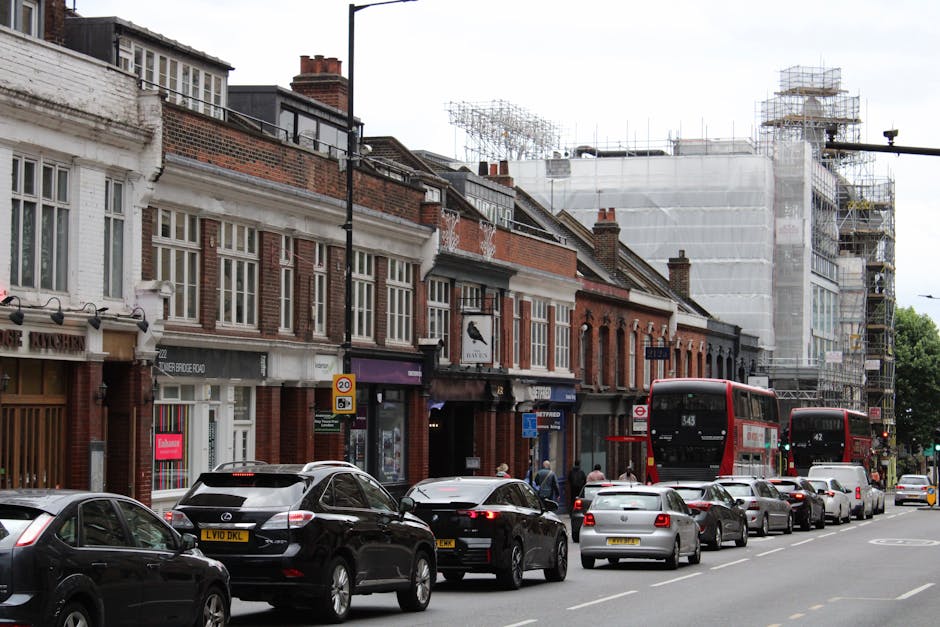
Removals for Victorian terraces on Amersham Road New Cross
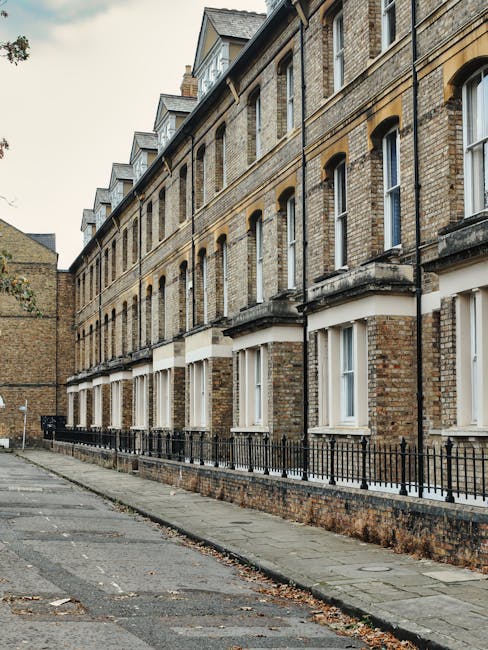
Moving out of a Victorian terrace can feel a bit like trying to thread a wardrobe through a keyhole while everyone's in a hurry. If you live on Amersham Road in New Cross, you probably already know the appeal and the challenge of these homes: they have character, high ceilings, narrow staircases, awkward landings, and sometimes very little forgiveness for bulky furniture. That is exactly why Removals for Victorian terraces on Amersham Road New Cross needs a proper plan, not just a van and good intentions.
This guide breaks down what makes terrace removals different, how the move usually works, what to watch out for, and how to make the day smoother from start to finish. You will also find a practical checklist, a comparison of common moving methods, and answers to the questions people actually ask when they are getting ready to move. In other words: the useful stuff, not fluff.
Why Removals for Victorian terraces on Amersham Road New Cross Matters
Victorian terraces are beautiful, but they were not designed with modern moving-day furniture in mind. That's the core issue. On streets like Amersham Road, you can expect narrow hallways, steep stairs, tight front rooms, and doorways that seem to shrink the moment you arrive with a sofa. A straightforward move elsewhere can become a puzzle here.
That matters for three reasons. First, the risk of damage goes up: scuffed walls, chipped paint, dented banisters, scratched floors. Second, the risk of delay goes up, and delays are expensive in time, energy, and occasionally nerves. Third, the likelihood of needing specialist handling increases, especially for heavy furniture, glass items, pianos, or anything that has to be turned or lifted at an odd angle.
There is also the local side of it. New Cross is busy. Parking can be limited, traffic can build quickly, and a removal van that arrives without a clear unloading plan can end up circling the block while everyone gets increasingly frustrated. A good move on a terrace street is not just about lifting boxes. It is about sequencing, access, and making the building work with you rather than against you.
Expert summary: terrace removals succeed when access is measured properly, furniture is prepared in advance, and the move is treated as a coordinated job rather than a last-minute scramble.
If you are comparing service levels, it can help to look at broader support options too, such as house removals, home moves, or a flexible man and van service depending on how much you are moving and how much help you need.
How Removals for Victorian terraces on Amersham Road New Cross Works
A well-run terrace removal usually starts before moving day, sometimes several days before. The first step is an access check. That means looking at parking, stair width, furniture dimensions, and whether anything must be dismantled. It sounds obvious, but people still underestimate it. A wardrobe that fits the bedroom may still refuse to turn on the landing. Funny how that happens.
Next comes packing and sequencing. The heaviest or most awkward items should be identified early. Soft furnishings, boxes, and lightweight items can often be moved more quickly, which clears space for the difficult pieces. Good movers also plan the loading order so the van is packed logically: essentials accessible, fragile items protected, and furniture secured so it does not shift on the road.
On the day itself, the team will usually protect flooring and vulnerable corners, remove or pad loose parts, and move room by room. In terraced houses, this often means a slower but safer pace. That is not inefficiency; it is care. The extra five minutes spent on a tight turn can save a costly repair later.
If you need packing support, it is worth looking at packing and boxes or packing and unpacking services. For households needing storage between moves, storage can take the pressure off when completion dates or keys do not line up neatly, which, let's face it, happens more often than anyone likes.
Key Benefits and Practical Advantages
The biggest benefit of a professionally planned terrace removal is simple: fewer surprises. That might not sound glamorous, but moving house is one of those moments where boring reliability is a blessing.
- Reduced risk of damage: careful wrapping, lifting and protection help prevent knocks to walls, banisters and furniture.
- Better time control: a clear loading plan prevents long delays on narrow streets and inside tight hallways.
- Less physical strain: heavy lifting on stairs is hard work and easy to misjudge.
- Smarter use of space: the van is packed efficiently, so fewer trips may be needed.
- More confidence on the day: when everyone knows the sequence, the move feels calmer.
There is another advantage people often overlook: decision relief. If you have already moved the difficult parts of the job into a structured plan, the rest becomes much easier to handle. You know what is going where. You know what has been dismantled. You know which box has the kettle. That last one matters more than you think on a first night in a new place.
For larger or mixed-size moves, a professional removal services option can be more suitable than hiring a vehicle alone. If you are moving high-value items, or something fragile and awkward, you may also want to explore furniture removals so heavy pieces are handled with the right equipment and technique.
Who This Is For and When It Makes Sense
This kind of move is a strong fit for anyone leaving a Victorian terrace on Amersham Road, but especially for households with bulky furniture, narrow staircases, shared entrances, or a limited parking window. It is also sensible if your move includes a mix of small and awkward items, because terrace properties tend to amplify the difficulty of even a modest load.
It may be the right choice if you are:
- moving from a family home with several floors
- handling antique, heavy, or oversized furniture
- working to a strict moving timetable
- trying to keep disruption to neighbours low
- moving with children, pets, or elderly family members
- between properties and need short-term holding space
Students and smaller households might not need the full-scale approach, of course. If the load is light and the access is manageable, a smaller vehicle can be enough. In those cases, pages like student removals, removal van, or man with van can be a practical fit.
Commercial clients are a different story. If a home office or business equipment is being moved alongside the household contents, it may make sense to consider commercial moves or office removals alongside the domestic plan.
Step-by-Step Guidance
Here is a practical way to approach the move without losing track halfway through.
- Measure access properly. Check stair width, headroom, front door clearance, and any sharp turns on landings or in hallways. Do not eyeball it from the pavement and hope for the best.
- List the awkward items. Sofas, wardrobes, bed frames, mirrors, bookshelves, and anything fragile should be flagged early.
- Dismantle where sensible. Flat-pack furniture, bed frames, and large tables often move better when taken apart.
- Pack in move order. Essentials first, then seasonal items, then decorative or rarely used items. Keep one box aside for immediate first-night items.
- Protect the property. Floor runners, blankets, corner protection, and door guards are worth using in older houses.
- Plan the van loading sequence. Heavier pieces go in first, with delicate items secured and lighter boxes filling the gaps.
- Prepare the new address. If the destination is also a terrace or a flat, make sure access is clear there too. People often forget the arrival side. It happens.
- Leave time for a final sweep. Check cupboards, loft areas, under beds, and behind doors. You would be amazed how often the phone charger is left in the one drawer nobody opened.
If your move involves very large household furniture or a tricky staircase, a service such as house removalists can bring more experience to the job than a basic vehicle hire. For heavy single items rather than a full house move, furniture pick up may be more appropriate.
Expert Tips for Better Results
A few practical habits can make a surprisingly big difference on a terrace move.
- Photograph furniture before dismantling. It makes reassembly less frustrating later.
- Label boxes by room and priority. "Kitchen - first use" is much better than "misc".
- Keep the stair route clear. Shoes, bags, and random bits of wrapping paper become trip hazards in seconds.
- Use bags for loose fittings. Screws, brackets, and Allen keys disappear fast otherwise.
- Build in buffer time. Older houses rarely behave exactly to schedule.
- Check whether furniture can be turned on end safely. Sometimes the fix is angle, not force.
A small trick that helps more than people expect: prepare a "do not load yet" zone for items you still need to access during the day. Kettles, charging cables, documents, medication, keys, snacks. Basic, but very useful. The day gets long. You want that little bit of order.
For a cheaper or more flexible approach, some people compare man with a van, man with van, and a fuller removals service. The best option depends on access, volume, and how much lifting you want to hand over.
Common Mistakes to Avoid
Most removal problems on terrace streets come from a short list of avoidable mistakes. No drama, just common sense that gets skipped when people are rushing.
- Underestimating staircase difficulty. If a sofa barely fits, it is already a problem.
- Leaving packing too late. Last-minute packing leads to broken items and missing essentials.
- Forgetting parking and access at both ends. One side is only half the story.
- Not measuring tall furniture. Wardrobes and bookcases are frequent culprits.
- Overfilling boxes with books or crockery. Heavy boxes are harder to lift and easier to drop.
- Ignoring weather and road conditions. Rain, early traffic, and narrow streets can all slow things down.
One more thing: do not assume every object can be moved intact through a Victorian layout. Sometimes dismantling is the sensible choice, not a sign of failure. Nobody wins a medal for forcing furniture through a landing. Well, maybe in some alternate universe.
If you are replacing old items as part of the move, take a look at furniture removals or furniture pick up so unwanted pieces are dealt with cleanly rather than left in the way.
Tools, Resources and Recommendations
You do not need a warehouse of specialist kit, but a few tools and resources help enormously.
| Item | Why it helps | Best used for |
|---|---|---|
| Furniture blankets | Protects edges, finishes and doors | Sofas, wardrobes, tables |
| Bubble wrap or paper wrap | Cushions fragile items | Glass, ceramics, mirrors |
| Labels and marker pens | Makes unpacking faster and calmer | All boxes |
| Tool kit | Useful for dismantling and reassembly | Beds, shelving, furniture |
| Tape and cable ties | Keeps loose items together | Leads, fittings, accessories |
On the service side, there are a few sensible options depending on the move shape. A removal van can suit smaller loads. A removal truck hire arrangement may fit larger households. If the move needs more hands and a broader service, removal companies is the broader option to compare.
For people who want help with the physical side as well as the transport, packing support is often the quiet hero of the whole process. Boxes that are sealed well, labelled well, and grouped sensibly save a lot of time later. Not exciting, but effective.
Law, Compliance, Standards, or Best Practice
For a domestic move, the main concerns are usually safety, access, and reasonable care rather than complicated legal process. Still, it is sensible to work with a provider that treats insurance, handling standards, and health and safety properly. That means clear communication about what is being moved, what needs special care, and what the service does or does not cover.
Best practice in removals usually includes:
- careful manual handling to reduce injury risk
- safe packing to prevent movement in transit
- protecting floors, bannisters and door frames where needed
- appropriate insurance and transparent terms
- respect for neighbours, parking constraints and shared access
It is also smart to review company policies before booking. For example, health and safety policy, insurance and safety, payment and security, and terms and conditions can all help you understand expectations up front. That kind of clarity matters. It avoids awkward surprises later, which nobody needs on moving day.
If sustainability matters to you, a responsible approach to packaging waste and reusable materials can be part of the move too. A service with a recycling mindset, such as recycling and sustainability, can help reduce unnecessary waste from the process.
Options, Methods, or Comparison Table
Not every terrace move needs the same level of support. Here is a simple comparison that may help.
| Option | Best for | Strengths | Watch-outs |
|---|---|---|---|
| Man and van | Smaller moves, lighter loads | Flexible, often cost-conscious, useful for compact removals | May be limited for bulky or fragile items |
| Removal van / truck | Larger volume or more furniture | More space, better for full-house loads | Needs tighter planning and access checks |
| Full removals service | Busy households, awkward access, heavier items | More support, less lifting, better handling of tricky pieces | Usually more involved to arrange |
| Storage plus move | Gap between moving dates | Reduces pressure if completion dates do not align | Needs a second step for final delivery |
For many Victorian terrace properties, the most efficient answer is a blended one: a careful removal service, a well-packed load, and a van size that matches the access rather than the wish list. Simple, but it works.
Case Study or Real-World Example
Imagine a two-storey Victorian terrace on Amersham Road with a large sofa, a bed frame, a dining table, and around twenty mixed-size boxes. Nothing outrageous. But the hallway is narrow, the stairs turn tightly, and the front room furniture has to pass a tricky corner near the banister.
In a rushed move, the sofa gets tried first, because it is the biggest worry. That creates pressure. Everyone stands around. The corner is awkward. The angle is wrong. Ten minutes later the team is frustrated and the house is hot and busy, with that slightly stale moving-day smell of tape, cardboard, and coffee going cold on the windowsill.
In a better run move, the team starts with protection, clears the route, dismantles the table, and moves smaller items first to create space. The sofa is then handled after the landing has been measured properly and the safest angle is agreed. The item gets out. No drama. The move continues. Not glamorous, but effective.
That is the real lesson with terrace removals: the order of work matters. It can save time, protect the property, and reduce the odd sense that the house is fighting back a little.
Practical Checklist
Use this simple checklist before moving day.
- Measure the stairs, doors and landings at both properties
- Identify the largest and heaviest items
- Dismantle beds, shelves or tables where possible
- Label every box by room and priority
- Prepare a first-night essentials box
- Arrange parking and access in advance where possible
- Protect floors, corners and fragile surfaces
- Set aside screws, fittings and tools in one clearly marked bag
- Check whether storage is needed between addresses
- Review insurance, safety and terms before booking
If you want broader moving support beyond the basics, the most relevant next steps are usually removals, house removals, or house removalists depending on the scale of the job.
Get a free quote today and see how much you can save.
Conclusion
Removals for Victorian terraces on Amersham Road New Cross are all about working with the property, not against it. Once you accept that older homes need a little more thought, the whole process gets easier. Measure first. Pack well. Choose the right level of help. Leave room for the unexpected. That is the sensible route, and usually the calmest one too.
If you plan carefully, the move can feel orderly rather than chaotic, even if the staircase is narrow and the van is parked a little too far away. And when the last box is in place and the kettle is on, it all feels worth it. Really, it does.
Frequently Asked Questions
What makes Victorian terrace removals more difficult than standard house moves?
Victorian terraces often have narrow staircases, tighter hallways, and more awkward turns than newer homes. That means large furniture may need to be dismantled, angled carefully, or moved in a different order to avoid damage and delays.
Do I need a full removals service for a terrace on Amersham Road?
Not always. If the move is small and access is straightforward, a smaller vehicle or a flexible man-and-van service may be enough. If you have bulky furniture, multiple rooms, or limited parking, a fuller removals service is usually the safer choice.
Should I dismantle furniture before moving day?
Yes, where it makes sense. Beds, shelving, and some tables are easier to move when dismantled. It also reduces the risk of damage while taking items through narrow Victorian stairways.
How do I know if my sofa will fit down the stairs?
Measure the sofa, the stair width, the landing turn, and the height of the passage route. If any part is close, assume it needs careful handling or dismantling. A quick visual check is rarely enough.
Is parking a big issue for removals in New Cross?
It can be. Parking and access are often part of the real challenge, especially on residential streets. The easiest way to avoid stress is to plan the loading and unloading position before moving day.
What should I pack separately for immediate access?
Keep essentials like keys, chargers, medication, toiletries, documents, snacks, tea or coffee, and a basic tool kit close to hand. You will want those first, not buried under six identical boxes.
Can I use storage if my moving dates do not line up?
Yes. Storage is a sensible option if completion dates or access windows do not match. It can take a lot of pressure off the moving day and give you more flexibility.
What type of service is best for a small flat inside a terrace property?
A smaller removal van or man-and-van setup may be enough if the load is light. If the flat has difficult access, a more comprehensive service may still be worth it because the property layout matters as much as the number of boxes.
How far in advance should I arrange removals?
As early as you can, especially if your move involves complicated access or a fixed completion date. Early planning gives you more choice with vehicle size, timing, and packing support.
What should I check before booking a removal company?
Check what is included, how access problems are handled, whether insurance is in place, and what the terms say about delays, cancellations, and payment. It is worth reading the details. A five-minute skim can save a lot of hassle later.
Can removals include furniture disposal or pick-up of unwanted items?
Yes, in many cases. If you are clearing out old furniture as part of the move, a dedicated furniture pick-up or furniture removals service can help you avoid moving items you no longer need.
What is the most common mistake people make with terrace moves?
The most common mistake is underestimating access. People focus on the number of boxes, but the stairs, corners, doorways, and parking usually decide how hard the move really is.