Removals for flats on Hatcham estate in New Cross
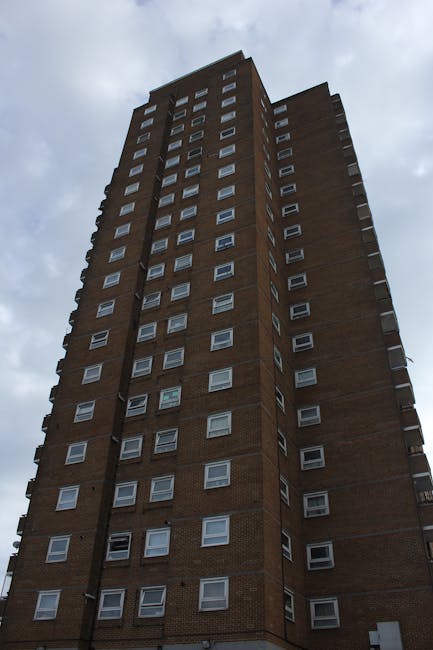
If you are planning removals for flats on Hatcham estate in New Cross, you are probably dealing with the usual mix of tight stairwells, shared entrances, awkward parking, and the general chaos that comes with moving day. It is rarely just a case of lifting boxes and driving off. In a flat move, the details matter. A missed loading bay, one heavy sofa at the wrong angle, or a lift that is too small can slow the whole day down.
This guide walks you through what to expect, how flat removals work in this part of New Cross, and how to avoid the common headaches that catch people out. You will find practical steps, a simple checklist, comparison advice, and a realistic look at the kind of planning that makes the difference between a smooth move and a long, stressful one. Truth be told, a bit of preparation goes a very long way.
Why Removals for flats on Hatcham estate in New Cross Matters
Flat removals on Hatcham estate are different from a standard house move. Apartments and maisonettes often bring shared access routes, stairwells, lift restrictions, controlled entrances, and neighbours who do not want a whole corridor blocked for half the day. That makes timing and coordination much more important than people first expect.
It also matters because the estate sits in a busy part of New Cross, where parking can be tight and access for larger vehicles is not always straightforward. If you have ever watched a van circle the block while someone tries to carry a mattress downstairs, you will know the vibe: one small delay can snowball quickly. A flat move needs good sequencing, not just muscle.
For many residents, the move also involves managing building rules, protecting communal areas, and making sure nothing gets scraped, dropped, or left obstructing shared spaces. That is especially true if you are moving out of a higher floor, handling awkward furniture, or trying to fit everything into a compact removal van or man with van service.
Key takeaway: the smoother your access plan, the easier the whole move becomes. In flat removals, the logistics are often more important than the lifting.
How Removals for flats on Hatcham estate in New Cross Works
A good flat removal usually follows a simple pattern, though the details vary depending on the size of the move, the floor level, and whether you have lift access. The first step is usually a quick assessment of what needs moving, what can be dismantled, and how the furniture will leave the flat safely.
On moving day, the team normally arrives with the right vehicle, protective equipment, and enough hands to keep items moving efficiently. Boxes tend to come out first, followed by lighter furniture, then the bulky pieces such as beds, wardrobes, sofas, and white goods. If the property has a narrow hallway or steep stairs, items may need to be turned, wrapped, or partially dismantled before they can be carried out.
That is where experience really counts. A seasoned crew knows when to protect a banister, when to pause and reset, and when a two-person lift is enough versus when a larger team is safer. If you are booking a broader service, the same principles apply whether you choose removals for a full relocation or a smaller flat removals package.
A well-run flat move usually includes:
- pre-move planning and an estimate of van size
- packing or partial packing of fragile items
- disassembly of larger furniture where needed
- careful loading to avoid damage in transit
- delivery, placement, and reassembly at the new address
Sometimes the move is very local, just across New Cross or nearby SE14. Other times it is part of a bigger life change and needs storage, staged delivery, or a same-day turnaround. No two moves are exactly the same. Not even close, honestly.
Key Benefits and Practical Advantages
When flat removals are handled properly, the benefits go beyond saving time. You reduce stress, avoid injuries, and lower the chance of damaging the building or your belongings. That sounds obvious, but in practice it is often the thing people underestimate most.
1. Less disruption on the day
Good planning means fewer delays in hallways, fewer trips up and down stairs, and less waiting around while someone tries to find parking. For a busy estate, that makes a real difference to you and to your neighbours.
2. Better protection for furniture and walls
Flat moves often involve tight angles and narrow routes. Professional handling helps prevent scuffed paint, broken lamp shades, chipped corners, and damaged frames. It is not glamorous, but it saves money later.
3. Safer handling of heavy items
Large furniture, washing machines, or boxed books can be deceptively awkward. You can absolutely do it yourself with enough people, but one bad lift can put someone out for weeks. That is not worth it.
4. Easier coordination with building access
If you need to work around lift booking times, entry codes, or limited loading space, experienced movers can adapt more quickly. Sometimes the win is simply knowing how to keep things moving without irritating the whole block.
5. Better use of time on moving day
In a flat move, timing matters. A well-planned team can often clear the property far faster than a do-it-yourself approach. That leaves you free to deal with keys, utilities, check-out tasks, or the inevitable missing kettle situation.
For people who want a bit more help, pairing removals with packing and unpacking services can remove a surprising amount of pressure. It is one of those things you only fully appreciate after the boxes start piling up in the hallway.
Who This Is For and When It Makes Sense
This kind of service is ideal for people moving in or out of a flat on Hatcham estate who want a practical, low-drama process. That includes renters on fixed move-out dates, first-time buyers with a completion deadline, downsizers, sharers leaving a joint tenancy, and anyone who would rather not spend the whole day wrestling a sofa through a narrow doorway.
It also makes sense if you are moving from a higher floor, have limited help from friends, or own furniture that is awkward to carry. Small items are fine. A box of books, no issue. A double wardrobe with a mirror attached? Different story.
Typical situations where flat removals are especially useful:
- you are moving within New Cross and want a quick turnaround
- your estate or block has restricted access
- you have bulky furniture or fragile items
- you need help loading, unloading, or both
- you want to avoid multiple car trips
If you are only moving a few items, a smaller vehicle may be enough. If you have a full flat to clear, a removal van or wider man and van service may be more suitable. The right choice depends on volume, access, and how much heavy lifting is involved.
Step-by-Step Guidance
If you want the day to run smoothly, treat the move as a small project. Nothing fancy. Just enough structure to stop chaos from taking over.
Step 1: Walk through the flat with a practical eye
Look at what is actually going. Not what you wish were going. Measure large items, note anything that comes apart, and decide what needs careful wrapping. A quick photo of tight corners, stairs, or communal entry points can also help.
Step 2: Check access and parking
On Hatcham estate, access planning matters. Think about where the van can stop, whether there is room for loading, and how far items need to travel from the front door to the vehicle. If your move crosses into other New Cross streets, parking restrictions can shape the whole schedule.
If you want more detail on the local side of this, the guide on New Cross removals restrictions on parking and fines is a useful read before moving day.
Step 3: Sort, reduce, and pack in zones
Break the move into rooms or categories. Kitchen, bedroom, documents, fragile items. It sounds basic, but it saves hours later. Try not to throw random things into random boxes at midnight, because then every box becomes a mystery. And not the fun kind.
Step 4: Protect high-risk items
Wrap mirrors, glass shelves, TVs, and framed pictures properly. Use blankets or covers for furniture edges, and keep screws, bolts, and fittings in labelled bags. A tiny envelope with the bed fixings inside can save a lot of swearing later.
Step 5: Decide what needs dismantling
Wardrobes, bed frames, some tables, and larger shelving units often move more safely in pieces. That is especially true in flats where turning a full item through a hallway is almost impossible. If in doubt, dismantle earlier rather than later.
Step 6: Load by weight and fragility
Heavy, sturdy items go low and secure. Fragile pieces need to be cushioned and kept from shifting. The aim is not just to fit everything in, but to make sure it arrives in one piece.
Step 7: Do a final sweep before leaving
Check cupboards, behind doors, on window ledges, and inside the fridge or airing cupboard. You would be amazed what gets left behind when everyone is in a hurry. Keys, chargers, medication, and paperwork are the usual culprits.
Expert Tips for Better Results
A few small decisions can improve the move more than people expect. These are the habits that tend to separate a smooth flat removal from a frustrating one.
- Book an early time slot if possible. Mornings are usually calmer, and building access is often easier before the day fills up.
- Label boxes by room and priority. Mark anything you will need first, such as bedding, kettle, and chargers.
- Keep a clear path to the door. Even a tidy flat can get messy fast once boxes start stacking up.
- Measure doorways and large items. It sounds fussy, but a five-minute measurement can prevent an hour of wrestling.
- Separate essentials from the main load. Put documents, medication, keys, and valuables in a bag you keep with you.
- Use building protection where needed. Corner guards, blankets, and floor coverings can prevent avoidable damage.
One thing we often see is people packing too much into a few huge boxes. That feels efficient at the time. Then you try lifting them from the stair landing and, well, less efficient suddenly. Moderate-weight boxes are your friend.
If you are moving furniture that needs careful handling, pages like furniture removals and furniture pick up can help you think through the right level of support.
Common Mistakes to Avoid
Most flat moving problems are preventable. They usually come from underestimating time, access, or the physical demands of the move.
Leaving packing too late
The classic mistake. Packing on the final evening turns a manageable move into a scramble. That is how fragile items get rushed and labels disappear. Start earlier than you think you need to.
Ignoring access restrictions
Shared entrances, narrow stairwells, lift rules, and parking limits can all affect the move. If you do not plan for them, the removal team has to improvise on the spot. That rarely feels calm.
Overfilling boxes
Heavy boxes are hard to carry and more likely to break. Keep books, kitchen items, and similar dense belongings spread out rather than packed into one monster box.
Forgetting to measure large furniture
A sofa that fits your current flat may not fit the route out of it. Measure the item, the doorway, and any tight turns. It is a small job with a big payoff.
Not separating essentials
People often pack the kettle, toiletries, chargers, and paperwork too deeply. Then they spend the first night digging through six boxes in the dark. Not ideal.
Skipping insurance or safety checks
Always check what level of protection and safety procedures are included. A credible removal provider should be able to explain how belongings are handled and protected. If that conversation feels vague, ask again.
Tools, Resources and Recommendations
You do not need fancy equipment to move well, but a few practical items make a real difference.
| Item | Why it helps | Best used for |
|---|---|---|
| Strong boxes | Hold weight better and stack more safely | Books, kitchenware, mixed household items |
| Bubble wrap or paper | Protects fragile edges and surfaces | Glass, ceramics, pictures, lamps |
| Furniture blankets | Reduces scuffs and knocks | Sofas, tables, wardrobes, appliances |
| Labels and tape | Speed up unpacking and room placement | All packed items |
| Tools for dismantling | Makes bulky furniture easier to move | Beds, shelves, wardrobes |
| Trolley or straps | Helps with heavier items and safer lifting | Boxes, white goods, bulky loads |
When planning the move, it can also help to compare service levels. A simple labour-only move might suit a small flat, while a more complete package is better if you want packing and transport together. For price and planning clarity, see pricing and quotes before you commit. If you are moving on a tighter timetable, same-day removals may also be worth considering, provided access is straightforward.
For people who want to reduce waste and make the move cleaner from the start, the page on recycling and sustainability is useful. A bit of decluttering before the van arrives can make the move feel strangely lighter. Less stuff, less stress. Simple as that.
Law, Compliance, Standards, or Best Practice
Flat removals in London are not usually complicated legally, but there are still sensible standards and practical duties to keep in mind. If you are using a service provider, it is wise to check that they have proper insurance and safety procedures in place. That is not just a box-ticking exercise; it protects you, your belongings, and the building.
Building rules also matter. Many flats have expectations around lift use, booking windows, noise, and protecting communal areas. Even where there is no formal permission required, best practice is to avoid blocking fire exits, leaving items in shared corridors, or damaging common spaces. In real life, courtesy saves problems before they start.
If the move involves parking or a larger vehicle, local restrictions may affect what is possible at certain times. It is sensible to check route and access details early, especially if your move is happening near busier roads or tighter residential streets. The blog on Lewisham Council permits for removals in New Cross gives a helpful local angle, while the guide on common access problems for New Cross removals vans explains the sort of issues that crop up in practice.
If you are hiring help, clear pricing terms, payment expectations, and service details should be set out properly before the move. It sounds obvious, but a surprising number of headaches begin with assumptions. Better to ask the boring questions now than worry later.
Options, Methods, or Comparison Table
There are a few ways to approach a flat move on Hatcham estate, and the best one depends on your volume, budget, and how much lifting you want to do yourself. Here is a straightforward comparison.
| Option | Best for | Pros | Trade-offs |
|---|---|---|---|
| DIY with friends | Very small moves | Low direct cost, flexible timing | More stress, higher risk of damage, harder with stairs or bulky furniture |
| Man and van | Small to medium flat moves | Flexible, practical, good for local moves | May need more planning for large loads |
| Full removal service | Busy households or larger flats | More support, faster loading, better for awkward items | Usually costs more than the simplest option |
| Storage plus staged move | Moves with a gap between addresses | Useful for timing issues and decluttering | Adds extra coordination |
For student-sized or lighter moves, a compact setup may be enough. For example, if you are leaving a smaller flat or shared room, student removals may fit the bill neatly. On the other hand, if you are moving a fuller household, you may need broader home moves support or even house removals style handling if your flat contains a lot of furniture and family items.
Storage can also be the right answer if completion dates, tenancy end dates, or key handover times do not line up. No drama, just logistics. The storage option can bridge that gap neatly when the timing is awkward.
Case Study or Real-World Example
Here is a realistic example, the kind we see often enough to know how it plays out.
A renter on Hatcham estate was moving from a second-floor flat into a nearby place in New Cross. The flat had a narrow hallway, a bulky bed frame, a small sofa, a desk, and several boxes of books. The first plan was to use two cars and a few friends. Sensible in theory. Less so in practice.
Once they measured the larger furniture and checked access, it became clear that the sofa would not be easy to carry through the stairwell without risk of scuffing the walls. The bed frame also needed dismantling. The move was switched to a small removal van with two helpers, and packing was split into room-based boxes the day before. That meant the furniture could come out more quickly, and the essentials bag stayed separate.
The result was not magical. No one was floating boxes through the air. But the load was completed in a far more orderly way, with fewer trips, less waiting, and much less stress. The client later said the best part was simply not having to think about where every item would go while balancing it on a stair landing. Fair enough.
That kind of move is typical in flat removals: the win comes from planning, not from luck.
Practical Checklist
Use this checklist in the final days before your move. It keeps things grounded when everything starts to feel slightly frantic.
- Confirm moving date, time, and access arrangements
- Check parking or loading options near the flat
- Measure large furniture and doorways
- Pack fragile items securely
- Label boxes by room and priority
- Separate essentials you will need on day one
- Dismantle furniture where needed
- Protect floors, walls, and corners if required
- Keep keys, documents, and valuables with you
- Do a final walk-through before leaving
- Check that all utilities, bins, and personal items are dealt with
If you want a smoother packing phase, it can help to read the practical advice in packing and boxes and the more detailed expert packing solutions guide. And if you are moving particularly awkward pieces, the notes on moving your bed and mattress can save a bit of trial and error.
Conclusion
Removals for flats on Hatcham estate in New Cross are much easier when you treat them as a logistics job first and a lifting job second. That shift in thinking changes everything. It helps you choose the right vehicle, prepare the right boxes, protect the right items, and avoid the little mistakes that turn a move into a long afternoon of frustration.
The best flat removals are not always the biggest or the flashiest. They are the ones that feel calm, organised, and realistic for the property you actually live in. If you plan access well, pack with a bit of discipline, and choose the right level of help, the whole process becomes far more manageable. And to be fair, that is what most people really want: a move that just gets done properly.
Get a free quote today and see how much you can save.
Whatever stage you are at, a little careful planning now can make moving day feel much lighter. One steady step at a time, that is usually enough.
Frequently Asked Questions
What makes flat removals on Hatcham estate different from a normal house move?
The biggest differences are access, shared spaces, stairs, and parking. Flats often need more coordination because items have to move through communal areas safely and quickly, which is not usually a problem in a house move.
Do I need a bigger van for a flat move?
Not always. It depends on how much you are moving and whether you have large furniture. A small flat may only need a compact van, while a fully furnished one may need a larger vehicle or a fuller removal setup.
Can removals be done if the property has narrow stairs?
Yes, but the team may need to dismantle some furniture, use protective wrapping, or carry items in stages. Narrow stairs are common in London flats, so experienced movers usually plan for this from the start.
How far in advance should I book?
As early as you can, especially if you are moving at month-end, on a weekend, or during a busy lettings period. Earlier booking gives you better time to plan access and pack properly.
What should I pack separately for moving day?
Keep essentials such as keys, phones, chargers, medication, documents, snacks, and a kettle or basic kitchen kit separate. That small bag can make the first night much easier.
Are packing services worth it for a flat move?
They can be, especially if you are short on time or have a lot of breakable items. Packing support tends to pay off most when you have fragile belongings, limited help, or a tight deadline.
How do I avoid damage to walls and furniture?
Measure large items, dismantle where needed, use blankets or protective covers, and keep a clear route to the door. Slowing down a little at the awkward bits is usually the trick.
What if I need storage between addresses?
Storage can be a very sensible option if your move-in and move-out dates do not line up. It also helps if you want to reduce clutter before settling into the new flat.
Are same-day removals realistic for a flat move?
Yes, in some cases. They work best when access is straightforward, the volume is manageable, and you can pack quickly. If the move is more complex, a little extra lead time is better.
How do I know whether I need help with loading and unloading?
If you have bulky furniture, several flights of stairs, or limited help from friends, loading and unloading support is a sensible choice. It is often safer and faster than trying to improvise.
What should I check before the movers arrive?
Confirm the date and time, clear the route to the door, label your boxes, protect fragile items, and make sure parking or access arrangements are understood. Five minutes of checking can prevent a lot of fuss.
Is it worth decluttering before a flat move?
Almost always, yes. Fewer items mean less packing, less lifting, and less to unpack later. Even a small clear-out can make the move feel significantly easier.