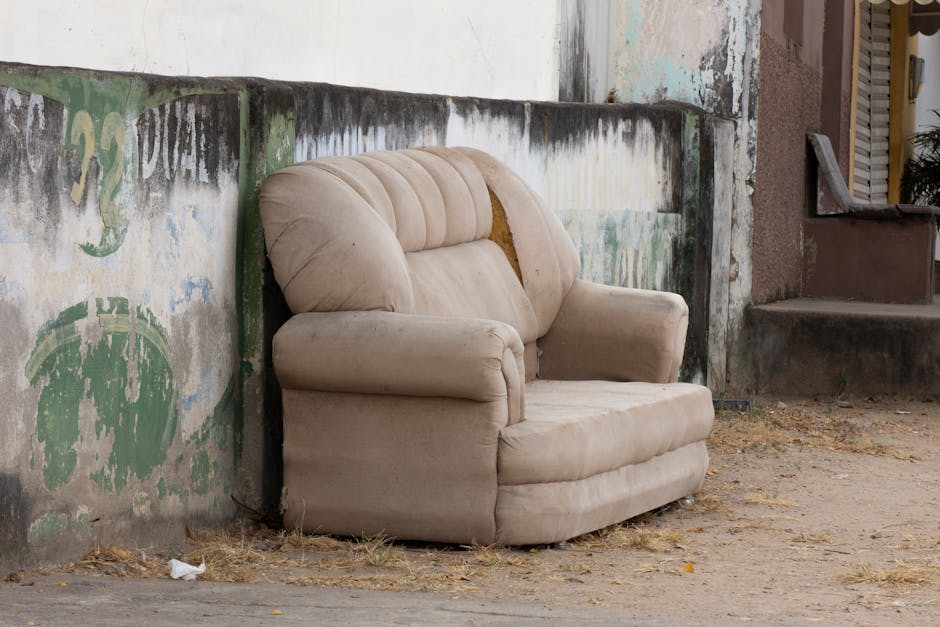
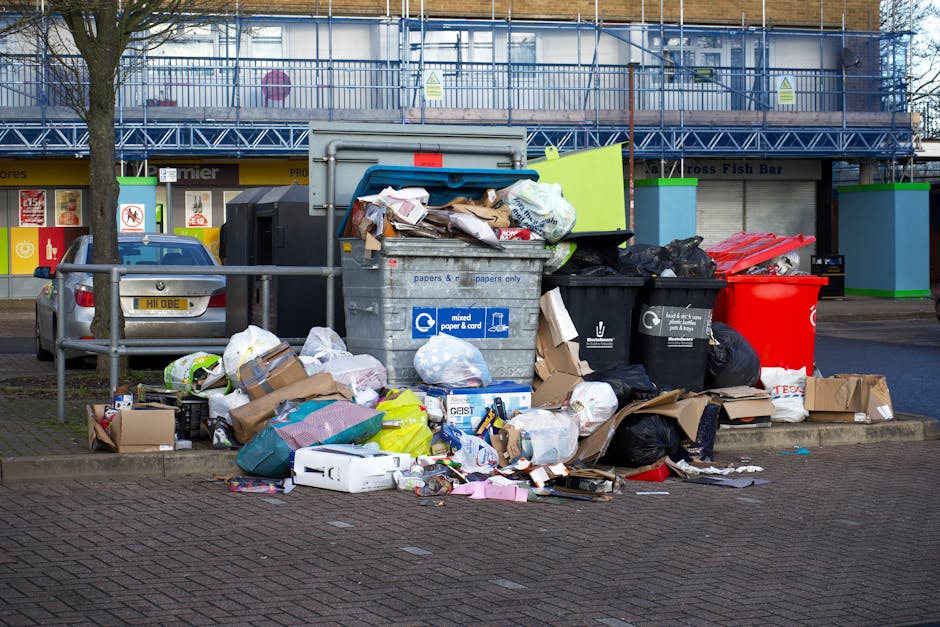
Furniture disposal rules in New Cross and Lewisham: a practical local guide
If you are trying to get rid of an old sofa, mattress, wardrobe, or a pile of broken flat-pack shelves, the rules can feel oddly confusing. One minute you are just clearing space; the next you are wondering whether the item needs booking, whether it can go on the pavement, or whether it counts as fly-tipping. Furniture disposal rules in New Cross and Lewisham matter more than most people realise, especially if you want to avoid fines, missed collections, or a last-minute scramble on a Saturday morning.
This guide breaks the process down in plain English. You will see what usually counts as responsible furniture disposal, what to check before you move anything out, how local best practice works in London, and when a professional service can save you time and hassle. It is written for real life, not perfection. Because let's face it, most of us only think about disposal rules when the hallway is already full.
Table of Contents
- Why Furniture disposal rules in New Cross and Lewisham matters
- How Furniture disposal rules in New Cross and Lewisham works
- Key benefits and practical advantages
- Who this is for and when it makes sense
- Step-by-step guidance
- Expert tips for better results
- Common mistakes to avoid
- Tools, resources and recommendations
- Law, compliance, standards, or best practice
- Options, methods, or comparison table
- Case study or real-world example
- Practical checklist
- Conclusion
- Frequently asked questions
Why Furniture disposal rules in New Cross and Lewisham Matters
Furniture disposal is not just about getting rid of something heavy. In New Cross and across Lewisham, it matters because bulky items can quickly become a nuisance if they are left in shared entrances, on narrow streets, or beside bins where they block access. In flats especially, one abandoned sofa can make the whole building look untidy in a day. And nobody wants that smell of damp fabric hanging around for a week either.
There is also the practical side. Furniture is awkward, noisy, and often more complicated than it looks. A wardrobe may need dismantling. A mattress may need covering. A glass table can become a safety issue in seconds. If you are moving home, clearing a probate property, helping a tenant leave, or simply replacing old furniture, doing it properly saves time and keeps neighbours, landlords, and building managers onside.
For many residents, the main question is simple: what is the safest, most responsible way to remove large household items without causing trouble? That is really the heart of it.
Key takeaway: the best furniture disposal plan is the one that is lawful, tidy, and matched to the item size, access conditions, and time you actually have.
How Furniture disposal rules in New Cross and Lewisham Works
At a practical level, furniture disposal in New Cross and Lewisham usually falls into a few broad routes: reuse, resale, donation, council-style bulky waste handling where available, or private collection and removal. The right route depends on the condition of the item, how quickly it needs to go, and whether you can move it safely.
The biggest mistake people make is treating every old item the same. A usable dining table is not the same as a collapsed sofa frame. A chest of drawers with intact runners may be welcomed by someone else, while a water-damaged mattress usually needs a different approach. There is a difference between "still useful" and "really should be disposed of now".
In rented homes and shared blocks, you may also have building rules to think about. Some landlords ask for all bulky waste to be removed the same day the tenancy ends. Some blocks do not allow items to be left in communal areas at all. If you are moving out of a flat, checking this early can spare you a charge later. If your move is already noisy and chaotic, the last thing you need is a complaint from downstairs.
For organised furniture removal, many people use a service such as furniture removals or arrange a broader removal service when the disposal is part of a bigger move. If access is tight or the item is one-off, a man with a van style collection can be a practical middle ground.
What usually happens on the day
Most furniture disposal jobs follow a simple pattern:
- You identify the items and check whether they can be reused, sold, or need disposal.
- You measure access points such as hallways, lifts, stairs, and door widths.
- You prepare the furniture by emptying drawers, removing loose parts, and separating unsafe pieces.
- The items are taken away in one visit, ideally without blocking neighbours or the pavement.
- Usable items are directed towards reuse or recycling where suitable, while waste is handled appropriately.
It sounds straightforward. In reality, access and timing do most of the heavy lifting.
Key Benefits and Practical Advantages
Getting furniture disposal right has more benefits than simply freeing up floor space. First, it reduces stress. A cleared room feels different. You can hear yourself think again. The echo changes. That sounds a bit dramatic, maybe, but anyone who has tried to pack around a broken sofa knows exactly what I mean.
Second, it helps protect your property. Dragging heavy items through narrow hallways or down awkward stairs can scratch floors, dent walls, and damage paintwork. A careful disposal plan avoids unnecessary repairs. That is especially useful in rented homes, where deductions can become a painful surprise at the end of a tenancy.
Third, it improves safety. Old furniture can have sharp edges, loose fittings, mould, splinters, or hidden lifting risks. If you are dealing with a heavy wardrobe or a large sofa bed, proper handling matters. Better to plan it than regret it halfway down the stairs.
There is also a sustainability angle. Reuse and recycling are usually preferable to dumping usable furniture. A good operator will try to divert items responsibly, and that aligns well with the broader ethos behind recycling and sustainability. For local residents, that often means less waste, less hassle, and a cleaner end result.
- Less clutter: rooms become usable again fast.
- Lower risk: fewer injuries and fewer property marks.
- Better neighbour relations: no abandoned items in communal spaces.
- More responsible disposal: reuse and recycling opportunities are easier to spot.
- Cleaner handover: useful when you are selling, letting, or moving out.
Who This Is For and When It Makes Sense
This topic matters to more people than you might think. Students leaving accommodation in New Cross. Families replacing worn-out furniture in Lewisham. Landlords turning over a property between tenancies. Office managers clearing old desks and chairs after an upgrade. Even a single-item disposal can become time-consuming if the item is bulky or difficult to carry.
Furniture disposal makes the most sense when the item is too large for normal household waste, too heavy to move safely on your own, or too awkward to transport in a small car. Truth be told, most sofa problems begin with the words "We can probably manage it ourselves." Sometimes you can. Often, not comfortably.
It also makes sense if you are in a hurry. A last-minute move, a tenancy deadline, or a new delivery arriving on the same day can leave very little room to manoeuvre. In those cases, a same-day or next-day collection can be worth it. If timing is tight, the same-day removals option may be worth considering for broader clearance needs.
For larger home clearances, the wider home moves and house removals pages are useful if disposal is happening alongside relocation. And if you are moving from a smaller property or upstairs flat, flat removals can be a better fit for access and loading constraints.
Step-by-Step Guidance
If you want the cleanest result with the least faff, follow a clear process. It does not need to be complicated. It just needs to be consistent.
1. Sort what stays, what goes, and what can be reused
Walk through the property room by room. Separate items into three groups: keep, donate/resell, and dispose. Be honest. That old coffee table might be "vintage" to you, but if it wobbles like a pub chair at closing time, disposal is probably the sensible route.
2. Check the condition carefully
Look for damage, stains, mould, missing parts, or infestation. Items that are badly damaged are usually unsuitable for donation. If an item is still functional and clean, reuse may be a better route. If not, disposal is fine; just choose the right method.
3. Measure access before moving anything
Measure doorways, stair turns, lifts, and the length of the item. In New Cross and Lewisham, many homes have tight stairwells, basement entrances, or narrow communal hallways. That matters more than most people expect. A sofa that looks manageable in the living room can become impossible at the corner of a staircase. Happens all the time.
4. Prepare the furniture
Empty drawers, remove loose shelves, tape doors shut if needed, and dismantle where sensible. Put screws and fittings into labelled bags. If you are keeping any parts, keep them together in one obvious place. This is where a bit of packing discipline saves a headache later. If you need boxes or wrapping for related items, packing and boxes can help you organise the smaller bits safely.
5. Choose the right removal method
For single-item collections, a dedicated furniture collection can be enough. For several heavy items, a larger vehicle may be better. If the move includes other belongings or fragile items, a broader service like removals or a specific removal van can make more sense.
6. Make sure the area is clear on the day
Keep hallways open, protect floors if needed, and warn neighbours if there is likely to be a bit of noise. A respectful collection is often the difference between a smooth day and an awkward one.
Expert Tips for Better Results
Over time, a few patterns become obvious. The jobs that go well are usually the ones planned early, with clear access and clear instructions. The messy ones? They are often caused by rushed decisions and surprise obstacles.
Tip one: photograph the furniture before collection, especially if it is damaged or partly dismantled. This makes it easier to describe the item accurately and avoids confusion.
Tip two: keep all fixings and detachable parts together. A small bag taped to the underside of the piece can be a lifesaver. Slightly old-school, but effective.
Tip three: think about timing around building use. Mid-morning is often easier than the school-run rush or the late-afternoon commute. On busy streets, a few minutes makes a difference.
Tip four: if furniture is going into temporary storage before final disposal or resale, use a dry, secure space. A service such as storage can be useful when you need breathing room rather than an immediate decision.
Tip five: if the disposal is linked to a business move, the needs are different. Office furniture may involve desks, chairs, cabinets, and IT stands that need more care and planning. In that case, office removals or commercial moves are more relevant than a standard household clear-out.
And one more, because it really saves time: tell the removal team about awkward items up front. If there is a tight turn, no lift, or a heavy sofa bed with a stuck mechanism, say so early. Nobody enjoys discovering that at the front door.
Common Mistakes to Avoid
The biggest mistakes are usually the simplest ones. They are easy to make, especially if you are tired or trying to finish a move in one day.
- Leaving items in communal areas: this can create access problems and complaints.
- Assuming everything can be dumped together: different items need different handling.
- Forgetting about access: a staircase, lift, or narrow hallway can change the whole plan.
- Not checking whether items can be reused: usable furniture should not be written off too quickly.
- Trying to lift oversized furniture without help: back strain is a very unglamorous way to end the day.
- Leaving the disposal until moving day: that is when everything gets expensive and stressful.
One slightly awkward but real issue is overconfidence. People look at a chair and think, "easy." Then the second chair is fine, the third is fine, and the fourth catches on the stair rail. The whole rhythm breaks. It happens.
If in doubt, treat the item as if it will be heavier and harder to move than you expect. That mindset is often more accurate anyway.
Tools, Resources and Recommendations
You do not need a truck full of specialist gear to dispose of furniture properly, but a few simple tools help.
- Measuring tape: for checking doorways, lifts, and furniture dimensions.
- Protective gloves: useful for splinters, sharp edges, and rough wood.
- Strong tape and bags: to keep screws, brackets, and small fittings together.
- Furniture blankets or wraps: help protect the item and nearby walls.
- Basic screwdriver or hex key set: useful for dismantling beds, tables, or wardrobes.
- Floor protection: especially valuable in rented homes and narrow hallways.
In terms of service choices, look for a company that is clear about timing, access, item type, and how they handle disposal. Clear communication matters more than a flashy promise. You want someone who asks the right questions, not someone who nods and then shows up with the wrong vehicle.
For residents comparing service levels, it helps to look at furniture pick up for single-item jobs, furniture removals for larger household pieces, and removal companies if you are weighing broader support options. If you need a more flexible labour-and-vehicle setup, man and van or man with van services can fit smaller jobs well.
Law, Compliance, Standards, or Best Practice
Furniture disposal in London should always be handled in a way that avoids nuisance, obstruction, and illegal dumping. While the exact local route depends on the item and your circumstances, the broad best practice is simple: do not leave furniture where it blocks pavements, access routes, or shared spaces, and do not treat the street as a temporary storage area.
From a resident's point of view, the safest rule of thumb is this: if the item is not being collected immediately by an appropriate service, keep it inside or properly arranged for pickup. That avoids confusion and reduces the risk of it being classed as abandoned waste.
For businesses, landlords, and managing agents, compliance is even more important. You may have a duty to ensure clearance is carried out responsibly, especially where common areas, tenant handovers, or public access are involved. Good practice includes clear booking notes, timely collection, and records of what was removed. Nothing fancy. Just tidy, sensible admin.
It is also wise to think about insurance and handling standards. If a team is moving heavy items through a shared building, they should be careful with floors, doorframes, and lifts. The insurance and safety page gives a good sense of the kind of care you should expect from a professional provider. The same goes for any operator's health and safety policy and general working practice.
Best practice, in short, is tidy, lawful, and practical. No drama. No shortcuts. Just a clear job done properly.
Options, Methods, or Comparison Table
Different disposal methods suit different situations. Here is a simple comparison to help you choose.
| Method | Best for | Pros | Trade-offs |
|---|---|---|---|
| Reuse or donation | Good-condition furniture | Lower waste, useful for others, often the most responsible option | Needs time, condition must be suitable |
| Private furniture collection | Single items or small household clear-outs | Convenient, quick, hands-off | May cost more than doing it yourself |
| Full removal service | Multiple items, moves, or mixed clearances | Efficient, flexible, helpful for bulky loads | Needs planning and access details |
| Temporary storage first | When you are undecided or staging a move | Buys time, reduces pressure | Extra handling and possible storage cost |
| Business or office clearance | Desks, chairs, filing cabinets, mixed furniture | Better suited to larger or structured removals | Requires clearer planning and timing |
If you are moving from a compact property, a smaller vehicle can often be enough. If the job is part of a bigger relocation, more structured support may be better. For example, a removal truck hire option can be useful where volume matters, while moving truck support may be better suited to larger loads and mixed household items.
Case Study or Real-World Example
Here is a realistic example. A couple in New Cross were moving from a second-floor flat and had three main items to deal with: a sofa, a broken chest of drawers, and an old mattress. The sofa was still usable but too large for their new space. The drawers were missing runners, and the mattress had clearly seen better days. Not a glamorous afternoon.
At first, they thought they would move everything themselves in a borrowed car and "sort the rest later". But once they measured the staircase and checked the item sizes, the plan changed. The sofa would have needed dismantling, the mattress was awkward to carry, and the drawers were splintering at the base. They decided to arrange a furniture collection alongside the move instead.
The practical win was not just speed. They cleared the space in one go, avoided damaging the stairwell, and kept the building entrance clear. The usable sofa was handled separately from the damaged items, which made the disposal feel more responsible. By the time the keys were handed over, the flat looked calm again. Empty, yes, but calm. That counts for a lot.
It is a small example, but it shows the real value of planning ahead. The right choice is often the one that reduces physical effort and avoids guesswork.
Practical Checklist
Use this before you book or move anything:
- Have I identified every furniture item that needs to go?
- Can any item be reused, donated, or sold first?
- Have I measured doors, stairs, lifts, and the furniture itself?
- Have I checked for screws, glass, loose parts, or sharp edges?
- Is the item dry, safe, and ready to handle?
- Do I know where the furniture will be collected from?
- Do I need same-day collection or can it wait?
- Will the job need a smaller or larger vehicle?
- Have I told the provider about access issues or parking constraints?
- Am I keeping any parts, cushions, fittings, or manuals?
If you can tick most of those off, the job is usually manageable. If several answers are unclear, that is your sign to pause and plan a bit more carefully.
Get a free quote today and see how much you can save.
Conclusion
Furniture disposal rules in New Cross and Lewisham are really about doing things properly: keeping shared spaces clear, choosing the right disposal route, and avoiding unnecessary damage or stress. Once you know the basics, the whole process becomes much more straightforward.
The smartest approach is usually the same one experienced movers use every day: check the item condition, think about access, decide whether reuse is possible, and choose a removal method that fits the size of the job. Simple on paper. A bit less simple when you are staring at a three-seater sofa in a narrow hallway, but still manageable.
If you want to reduce hassle and keep your day on track, plan early, ask clear questions, and leave yourself a little breathing room. That one bit of space can make all the difference. And honestly, once the old furniture is gone and the room finally opens up, the relief is immediate.
Frequently Asked Questions
What are the basic furniture disposal rules in New Cross and Lewisham?
The basic rule is to dispose of furniture responsibly, avoid blocking communal areas or pavements, and choose a method that suits the item's condition. Usable furniture should be considered for reuse first, while damaged items need proper removal and handling.
Can I leave old furniture outside my flat for collection?
Only if it has been arranged properly and will be collected without delay. Leaving items outside for long periods can create access problems, complaints, or the appearance of fly-tipping. In shared buildings, it is usually safer to keep items inside until pickup.
Is it better to donate furniture or dispose of it?
If the item is clean, safe, and usable, donation or reuse is usually the better option. If it is damaged, unstable, or unsanitary, disposal is the sensible choice. The main thing is to be honest about its condition.
What furniture items are hardest to dispose of?
Large sofas, sofa beds, wardrobes, mattresses, and glass furniture are often the trickiest because they are bulky, awkward, or fragile. Stairs, narrow halls, and parking restrictions can make the job harder too.
Do I need to dismantle furniture before removal?
Not always, but it often helps. Beds, wardrobes, and table legs can be easier to move if they are partly dismantled. If you are not sure, ask the removal team what will make access and loading easier.
What if my furniture is too heavy for me to move safely?
Do not force it. Heavy furniture can cause back injuries, floor damage, and broken fittings. A professional collection or removal service is usually the safer choice, especially in flats or properties with stairs.
Can furniture disposal be done on the same day?
Sometimes, yes. If the provider has availability and the access details are clear, same-day collection can be possible. It works best when the job is straightforward and the items are already prepared.
What should I tell a removal team before collection?
Tell them the type and number of items, whether anything is fragile or damaged, where the furniture is located, and whether there are stairs, lifts, or parking limits. The more accurate the detail, the smoother the job.
Is furniture disposal different for offices and businesses?
Yes. Office furniture disposal often involves desks, chairs, cabinets, and equipment that need more planning and coordination. For those jobs, commercial support such as office removals is usually more appropriate than a simple household pickup.
How can I reduce waste when getting rid of old furniture?
Start by checking whether the item can be reused, repaired, resold, or donated. If disposal is unavoidable, choose a provider that handles items responsibly and tries to separate reusable or recyclable pieces where possible.
What is the safest way to clear several items at once?
Group the items, measure access points, prepare them in advance, and use a service that matches the volume of the job. When several large items are involved, a dedicated removal option is usually easier and safer than trying to do it piecemeal.
Where does storage fit into furniture disposal?
Storage is useful when you are undecided, waiting for a new home, or need time to sort what stays and what goes. It gives you breathing room so you do not make rushed disposal decisions under pressure.
How do I know if I need a van or a full removal service?
If you have one or two bulky items and straightforward access, a smaller vehicle or flexible pickup may be enough. If you have multiple rooms of furniture or a move with mixed items, a fuller removal service is often the better fit.
Sometimes the right choice is just the calmest one. A little planning now saves a lot of lifting later, and that is usually worth it.